


Search Here
|
Table of Contents
|
Walking through any thriving office space will reveal something subtle yet powerful: comfortably seated employees work differently—collaborations happen more freely, the focus is deeper, and challenges are met head-on with greater energy.
The furniture and workspace environment reflect organisational priorities. Investment in quality seating and thoughtfully designed workspaces demonstrates a commitment to employee wellbeing. This investment pays dividends in morale, productivity, and retention.
The relationship between physical environment and mental state runs deeper than most organisations realise. Workplace psychology research reveals that comfort and morale are deeply connected through both conscious and subconscious pathways.
When employees use workstations equipped with supportive chairs and well-designed desks, measurable psychological benefits can occur. The ability to adjust a chair to individual preferences increases perceived control over the workspace. Greater control and opportunities for personalisation are associated with higher job satisfaction and contribute to a healthier organisational culture.
Physical discomfort acts as a constant distractor, pulling attention away from meaningful work. Research indicates that more than 60% of Indian IT and office workers report back pain associated with prolonged sitting. This discomfort creates negative associations with the workplace itself, gradually eroding morale and engagement over time. Conversely, comfortable seating removes these barriers, allowing employees to associate workspace with productivity rather than pain.
The physiological link between comfort and cognitive performance proves remarkably direct. Proper spinal support enables deep breathing, which sustains energy levels and enhances mental clarity. Employees seated in ergonomic chairs maintain better posture, improving oxygen flow to the brain and supporting sustained concentration throughout the day.
Office design that prioritises comfort creates cascading benefits. Teams working without physical distractions demonstrate higher engagement levels and produce better quality work. Studies show ergonomic seating can boost productivity considerably, translating directly to improved business outcomes. This productivity stems not from working harder, but from removing the obstacles that prevent natural focus and flow states.
Understanding employee-centric design requires looking beyond superficial features to examine how furniture supports the full spectrum of human needs in the workplace. True employee focus means creating solutions that adapt to people, rather than forcing people to adapt to furniture.
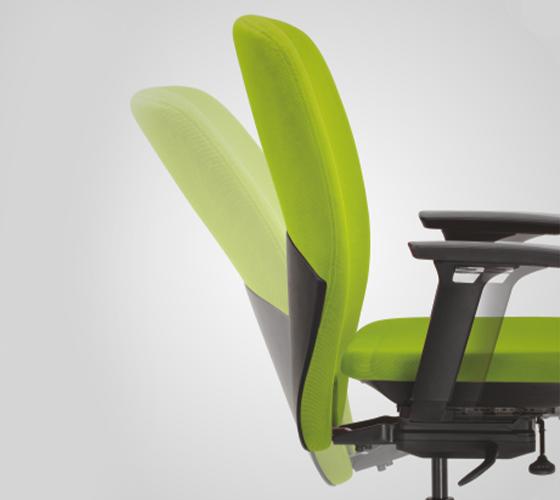
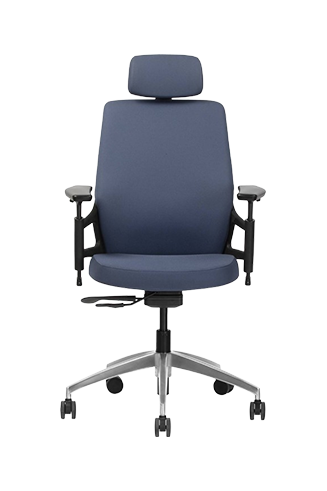
For example, chairs designed with automatic weight-sensing mechanisms and adjustable seat depth and lumbar support reflect this principle in practice. The Wipro Aerosit – Premium Office Chair incorporates these features not as add-ons, but as structural elements intended to accommodate varied users throughout the workday. By enabling micro-adjustments and personalised support, such seating reduces the physical strain associated with prolonged sitting and contributes to sustained focus and productivity — aligning design decisions with measurable workplace outcomes rather than aesthetics alone.
Modern ergonomic furniture incorporates specific design elements that directly support employee health and comfort throughout long workdays. Quality office chairs provide adaptive lumbar support that maintains the spine's natural curve, reducing strain on lower back muscles. Height adjustability ensures proper alignment between seating and work surfaces, while adjustable armrests prevent shoulder tension and support varied working positions.
|
Feature |
Basic Office Furniture |
Employee-Centric Design |
Impact on Wellbeing |
|---|---|---|---|
|
Lumbar Support |
Static or minimal |
Multi-level adaptive |
Reduces lower back strain by supporting natural spine curve |
|
Seat Adjustability |
Height only |
Height, depth, tilt |
Accommodates diverse body types and preferences |
|
Materials |
Standard foam |
Breathable mesh with cushioned support |
Maintains comfort through temperature regulation |
|
Movement |
Fixed position |
Dynamic support with tilt/recline |
Encourages natural movement, preventing stiffness |
Beyond individual adjustments, employee-centric furniture considers the full work experience. Sit-stand desks add flexibility, encouraging movement throughout the day. This variety in working positions helps prevent the fatigue associated with maintaining any single posture for extended periods.
Ergonomic design addresses workplace stress through both physical and psychological mechanisms. On the physical level, proper support eliminates the micro-stresses that accumulate throughout the day—the constant shifting to find comfort, the tension from poor arm positioning, and the fatigue from inadequate back support. These small discomforts compound into significant stress when experienced daily.
The psychological benefits prove equally important. When organisations provide high-quality ergonomic furniture, employees recognise this as an investment in their wellbeing. This recognition reduces stress by creating a sense of being valued and cared for. Additionally, comfortable employees maintain better mood regulation throughout the day, handling workplace challenges with greater resilience and positivity.
Furniture choices communicate organisational values more powerfully than mission statements or corporate messaging. The physical environment shapes daily experiences, influencing how teams perceive their employer's commitment to their wellbeing and success.
Every furniture decision sends implicit messages about organisational priorities. Companies that invest in quality, ergonomic seating demonstrate tangible commitment to employee health and comfort. This investment speaks louder than wellness programmes or benefits packages because employees experience it directly every working hour.
|
Design Philosophy: Beyond Comfort
Quality seating represents more than physical support—it embodies organisational care. When companies choose furniture designed for long-term comfort and health, they invest in their team's future wellbeing, not just immediate productivity. |
The selection process itself can reinforce cultural values. Organisations that involve employees in furniture decisions, gathering feedback on comfort preferences and work styles, demonstrate respect for individual needs. This participatory approach strengthens the message that employee opinions matter, building trust and engagement from the ground up.
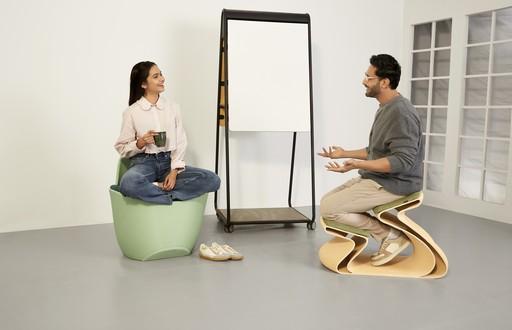
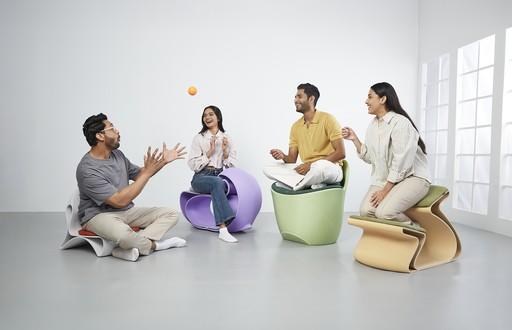
Modern workplace culture emphasises collaboration, and furniture design must support this shift. Traditional layouts with fixed, individual workstations give way to flexible arrangements that encourage interaction while respecting focus needs. Modular furniture enables quick reconfiguration for different team sizes and meeting styles, supporting the dynamic nature of contemporary work.
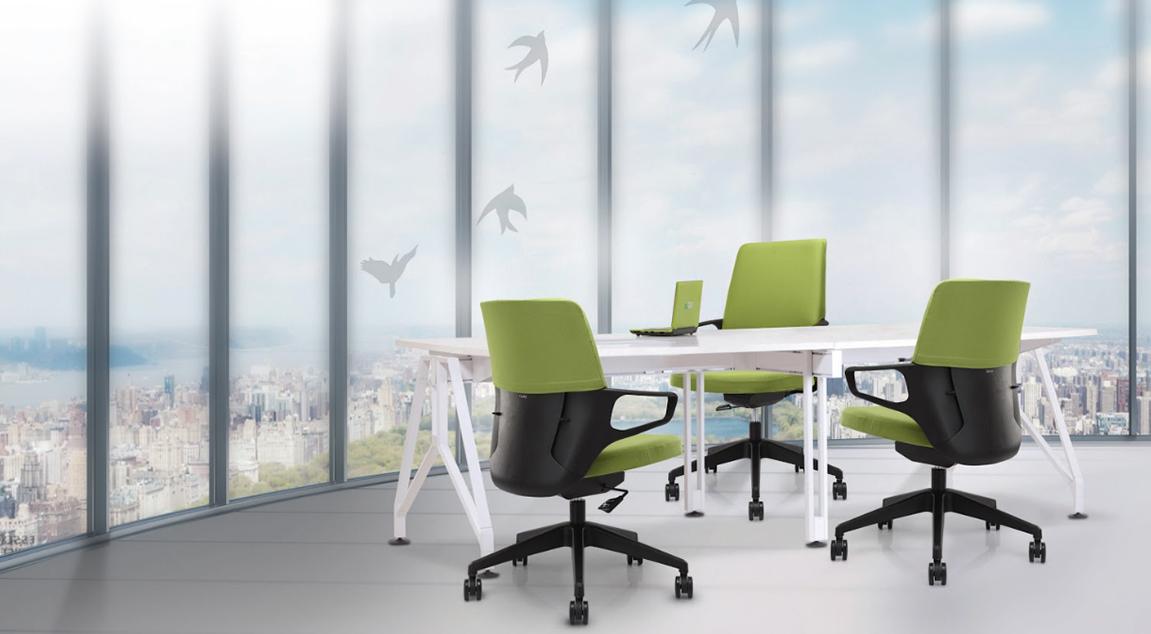
Collaborative spaces require different ergonomic considerations than individual workstations. Meeting room chairs must support good posture during extended discussions while remaining light enough for easy movement. The Wipro On Air Office Chair fits this bill perfectly thanks to its open back design which enables stretching and reduces stiffness. The Response Bodyflex design also adapts to the various postures of the users throughout the day.
Financial decision-makers increasingly recognise that furniture investments deliver measurable returns beyond employee satisfaction. The economic argument for quality seating rests on solid data demonstrating reduced costs and improved performance across multiple metrics.
The immediate returns from ergonomic furniture investment appear in productivity metrics. With these productivity gains from comfortable seating, organisations see a direct impact on output and quality. However, the financial benefits extend far beyond daily productivity. Companies investing in ergonomic design experience reduced absenteeism and lower healthcare costs, as fewer employees require time off for musculoskeletal issues.
Employee retention represents another significant return. Comfortable, supportive work environments contribute to job satisfaction, reducing turnover costs. Considering that replacing an employee typically costs 50-200% of their annual salary, furniture investments that improve retention deliver substantial savings. Additionally, companies known for excellent work environments attract higher-quality candidates, reducing recruitment costs and time-to-hire.
Quality furniture represents a long-term asset that delivers value over many years. BIFMA-certified office chairs undergo rigorous testing to ensure durability under real-world conditions, often lasting 10-15 years with proper maintenance. This longevity means the per-year cost of quality seating often falls below that of cheaper alternatives that require frequent replacement.
Office design ideas that prioritise quality create compounding benefits over time:
• Reduced replacement and maintenance costs
• Consistent employee comfort without degradation
• Lower environmental impact through reduced disposal
• Maintained aesthetic appeal supporting brand image
• Flexibility to reconfigure as needs change
The health economics perspective strengthens the investment case further. Leading research suggests wellness-focused companies achieve up to sixfold returns on investment through combined impacts on absenteeism, engagement, and healthcare costs. These returns make ergonomic furniture one of the most effective workplace wellness investments available.
India's dynamic business environment presents unique considerations for office design. From startup ecosystems in Bengaluru to established corporate campuses in Gurugram, organisations must balance global best practices with local realities. The transition to hybrid work models and the diversity of Indian climates add complexity to furniture decisions.
In this context, seating solutions that combine ergonomic support with climate responsiveness become particularly relevant. Chairs such as the Wipro I’m Pro Chair illustrate how design can respond to these needs — pairing a contoured backrest that aligns with the natural spinal curve with a breathable mesh structure suited to warmer conditions. Rather than functioning as a premium add-on, features like lumbar contouring and airflow-orientated materials reflect an understanding of how Indian workplaces must address both postural health and thermal comfort as part of everyday operational realities.
Hybrid work arrangements require fundamental rethinking of office furniture strategies. With employees splitting time between home and office, workplace design must maximise the value of in-person days while maintaining individual comfort needs. Hot-desking arrangements demand highly adjustable furniture that different users can quickly customise, while dedicated collaboration zones need flexible configurations for varying team sizes.
Modern office furniture integrates technology to support seamless transitions between remote and in-office work. Desks with built-in power management and cable organisation systems accommodate the laptops and devices that move with hybrid workers. Height-adjustable surfaces support both traditional sitting work and standing video calls, addressing the varied needs of a typical hybrid workday.
India's diverse climate zones—from humid coastal regions to dry northern plains—demand thoughtful material selection for office furniture. Breathable mesh backs prove essential in cities experiencing high humidity, preventing the discomfort of heat buildup during long work sessions. Quality mesh materials maintain their tension and support despite humidity fluctuations, ensuring consistent comfort year-round.
For air-conditioned environments common in IT parks and corporate offices, the material equation shifts. Here, cushioned seating with moisture-wicking fabrics provides comfort while preventing the chill that can develop in heavily cooled spaces.
The evidence clearly demonstrates that employee-friendly furniture creates workplaces where teams thrive. Organisations that view furniture as an investment in human capital rather than a cost centre position themselves for sustained success. Quality seating and thoughtful office design communicate respect, support productivity, and build cultures where talented professionals choose to stay and grow.
The journey toward an employee-friendly office begins with understanding that furniture shapes more than physical comfort—it influences morale, culture, and business outcomes. For organisations ready to make this investment, exploring Wipro's comprehensive seating solutions designed with employee well being at their core provides the foundation for transformative workplace experiences.
Ergonomic furniture directly impacts morale by eliminating physical discomfort that distracts from work. When employees feel physically supported, they experience less stress and maintain positive associations with their workplace, leading to higher engagement and job satisfaction.
Organisations should prioritise adjustable lumbar support, seat height/depth customisation, breathable materials, and dynamic movement options. Quality furniture should accommodate diverse body types and working styles while meeting BIFMA durability standards for long-term value.
Organisations can phase in ergonomic improvements, starting with high-use areas or employees with existing discomfort. Investing in quality task chairs for daily users while using simpler options for occasional seating maximises impact within budget constraints.
Quality furniture signals that organisations value employee wellbeing, making companies more attractive to top talent. Comfortable work environments contribute to job satisfaction and retention, reducing costly turnover and strengthening employer brand reputation.
Organisations should select breathable mesh materials for humid regions and balanced cushioning for air-conditioned spaces. Climate-appropriate materials ensure year-round comfort while maintaining durability despite temperature and humidity fluctuations.