

Search Here
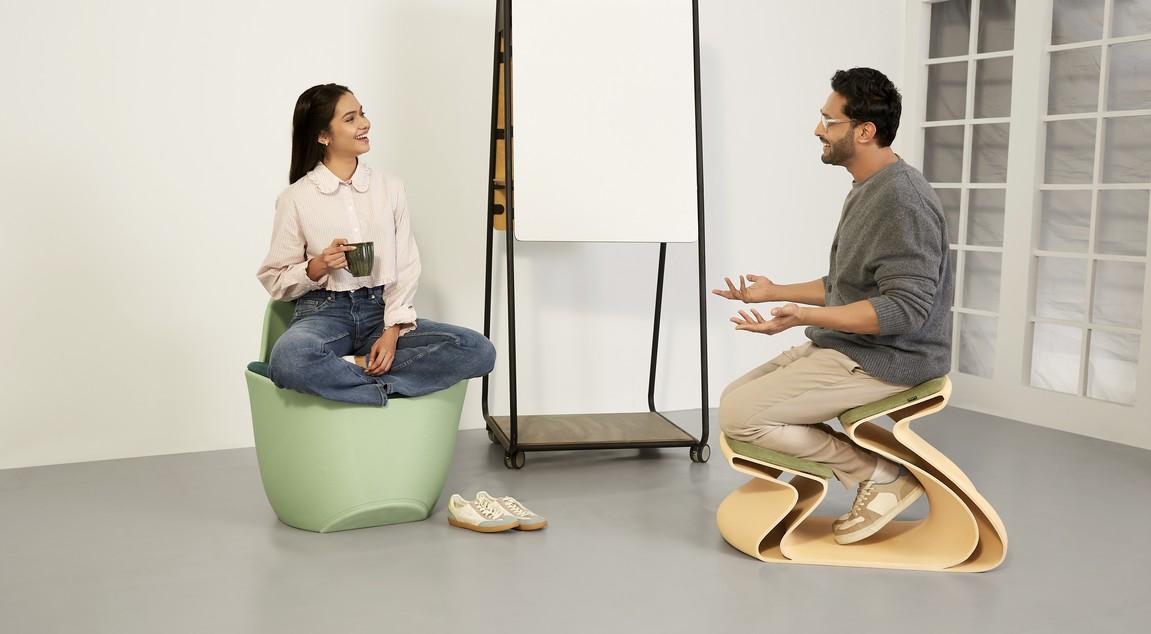
Table of Contents
|
The afternoon lull hits differently when there's nowhere comfortable to step away from the desk. Teams gather in cramped corners, perch on hard surfaces during impromptu discussions, or simply stay chained to the workstations because the alternative feels unwelcoming. Breakout zone chairs quietly determine whether employees actually use informal collaboration spaces or avoid them entirely.
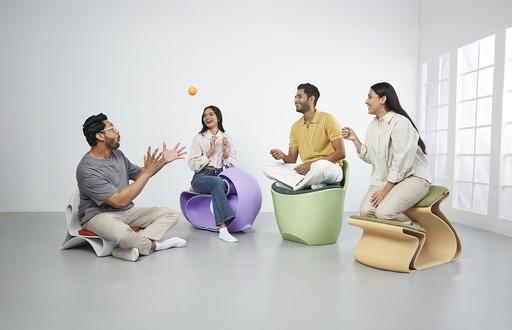
When seating choices align with how people naturally move, interact, and recharge, something shifts in workplace culture. The right office breakout chairs become silent enablers of the conversations, creative sparks, and mental breaks that formal meeting rooms simply cannot accommodate. This article walks through what makes collaborative seating effective and how the Dyān Collection approaches these design challenges.
Breakout spaces have matured from peripheral amenities into strategic workplace infrastructure. These informal zones—positioned close to the main office floor—allow employees to transition between tasks, offering versatile settings to work, collaborate, or recharge without leaving the office ecosystem. Think of them as the 'third place' between formal desks and structured meeting rooms.
The shift matters because employees no longer come to offices simply to sit at desks and work. Workers come to collaborate, connect, and think creatively in ways that a workstation alone cannot support. Office breakout area furniture shapes these interactions, influencing everything from team dynamics to individual mental clarity.
In hybrid environments, where the whole point of coming in is connection and collaboration, breakout spaces do more heavy lifting than most workplace leaders realise. If people can do deep work from home, the office needs to justify the commute. That justification is almost always social: mentorship, culture, and the kind of trust-building that happens face-to-face.
Research validates that social spaces and opportunities for interaction can support creativity by encouraging knowledge exchange and collaboration. Well-chosen breakout zone chairs become the reason people actually want to be on-site.
Breakout areas support employee wellbeing in measurable ways. Research on workplace "micro-breaks" has found that brief pauses during the workday can reduce fatigue and stress, helping employees return to the tasks with renewed energy. More time spent at the desk does not necessarily mean more work completed.
Office breakout seating plays a role in mental wellness too. When employees have access to comfortable spaces which allow workers to unplug, the return to the desks feels refreshing rather than depleting. Breakout social spaces help build a sense of community—at a time when people face more pressure than ever, having spaces to switch off matters deeply.
The Dyān Mudra chair comes in clutch in such situations thanks to its yoga-inspired design that supports multiple postures. These variations can help relieve specific muscle groups which get tensed from sitting at the desk all day.
Selecting collaborative office seating requires understanding how different seating characteristics serve collaborative environments. The goal extends beyond mere comfort—effective breakout seating supports varied postures, encourages natural movement, and adapts to multiple interaction types.
High-density foam cushioning, supportive backrests, and modular seating systems can strike the balance between comfort and ergonomics. Attention to ergonomics when selecting office breakout area furniture ensures that informal spaces truly serve as retreats where employees can recharge both mentally and physically.
Soft, inviting seats encourage longer, more relaxed conversations—the kind where real collaboration happens. Collaborative seating that supports a variety of postures and promotes relaxation helps employees recharge during the day. The importance of comfort cannot be overstated in creating inviting breakout areas.
|
Seating Element |
Standard Option |
Thoughtful Design Approach |
What It Supports |
|---|---|---|---|
|
Cushioning |
Basic foam |
High-density foam with support |
Longer, comfortable discussions |
|
Backrest |
Static, minimal |
Ergonomic contouring |
Healthy posture during casual meetings |
|
Mobility |
Fixed position |
Lightweight, portable |
Spontaneous reconfiguration |
|
Material |
Standard fabric |
Breathable, climate-appropriate |
All-day comfort in warm conditions |
For collaborative workspaces, lightweight and mobile chairs often prove more suitable than heavy, fixed alternatives. Office breakout chairs that are compact and mobile—ideal for open-plan offices and employees who move frequently—enable spontaneous team formation and easy space reconfiguration.
Seating that employees can easily shift, group, or separate supports the organic nature of informal collaboration. A conversation that starts between two people might naturally expand to four; breakout zone chairs should accommodate this fluidity without requiring major furniture rearrangement.
Workspace design increasingly incorporates a variety of breakout settings to support different behaviours, from informal social interaction and lightweight collaboration to quiet, restorative breaks. Research on workplace design suggests that greater choice over where and how work takes place can support different work modes, social interaction, and overall workplace experience.
Selecting appropriate office breakout seating for each micro-zone requires understanding what each behavioural mode demands. One-size-fits-all approaches rarely serve the diverse needs that emerge throughout a workday.
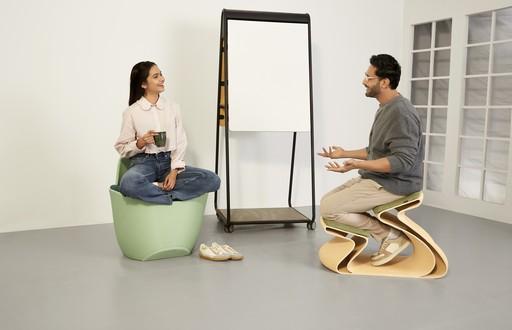
Modern and unconventional options like the Wipro Matsya are not just lightweight while occupying less space; these are inspired by yogic postures. The gentle rocking motion in this chair can help avoid long-term musculoskeletal issues.
Restorative zones serve employees who need to disconnect from stimulation and let the attention recover. The need is low sensory input: soft seating, visual calm, and minimal acoustic intrusion. This zone should not feel like a workspace—the moment it does, it stops functioning as a restorative environment.
Semi-enclosed spaces with comfortable, individual breakout zone chairs allow staff to genuinely disconnect. The seating here differs from social zones: it has quieter colours, more enveloping forms, and is positioned away from high-traffic areas.
Social hubs are more animated areas with larger tables, varied seating arrangements, and perhaps access to refreshment points. These zones encourage workplace collaboration and team-building across departments. Bar-height seating, café-style tables, and proximity to pantry areas support informal interaction naturally.
Collaborative office seating in social zones should invite conversation. Sectional sofas often form the backbone of good breakout zones, while integrating high tables and stools encourages a more informal, social posture—suitable for project discussions or coffee breaks.
|
Design Insight: Seating Variety Matters Offering only one type of seating can make breakout areas feel restrictive rather than flexible. A mix of soft seating, café-style chairs, and lounge options allows employees to choose what suits their current mood and activity. |
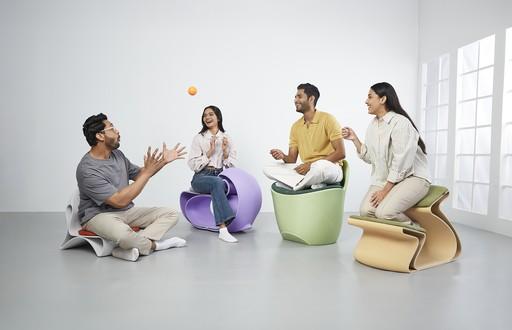
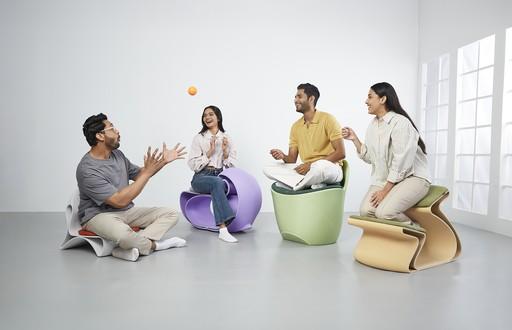
The Dyān Collection from Wipro Seating Solutions approaches office breakout area furniture through a distinctive lens: designing environments that elevate human wellbeing. Each chair reflects a harmonious blend of human-centric design, refined aesthetics, and intelligent ergonomics.
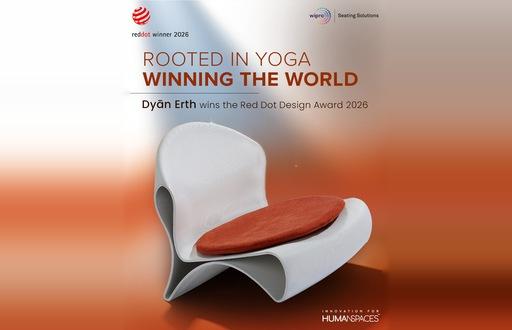
The collection includes options like Eka, Erth, Matsya, and Mudra—each thoughtfully designed for both formal and casual spaces, aligning body and mind.
Inspired by yoga principles—balance, alignment, and mindfulness—the Dyān Collection reimagines the chair as more than a functional object. The Matsya chair, for instance, invites users to shift naturally while working, reading, or thinking. Its fluid form encourages subtle movement; the rocking action is carefully balanced—calming rather than distracting—helping users stay engaged while reducing stiffness.
This approach addresses a fundamental challenge in collaborative seating: supporting employees who move between conversation and contemplation, who shift postures throughout discussions, and who need the seating to accommodate rather than constrain. The Erth chair offers a compact footprint ideal for modern, space-conscious environments without sacrificing comfort or performance.
Beyond ergonomics, the Dyān Collection speaks to the growing organisational concern for environmental responsibility. All products are made from 80% post-consumer recycled materials-materials sourced from material recovery facilities, recycled into granules, then repurposed for durable, functional furniture.
What mistakes should organisations avoid? Employees notice when workplace choices reflect broader values; office breakout chairs made from recycled materials signal commitment to environmental stewardship while maintaining design quality and durability.
Several common design choices can limit how effective breakout spaces become. Understanding these pitfalls helps workplace leaders make more informed office breakout seating decisions.
Pitfalls to watch for:
Treating breakout spaces as leftover areas filled with spare furniture.
Selecting seating without employee input—designing spaces without asking what people need rarely works well.
Placing zones too close to focused work areas, where conversations create distractions.
Ignoring climate considerations—breathable materials matter in warm conditions.
Forgetting power access, which is the non-negotiable baseline for modern work styles.
Acoustic planning: open office environments often overlook acoustic planning. in open office environments. Breakout spaces located near work zones can become noisy and distracting if not managed properly. To minimise sound transfer, organisations can use soft materials, acoustic panels, or dividers that help absorb sound.
The energy that makes a collaboration zone work is the same energy that destroys a quiet zone. Separating these areas with buffer spaces, corridors, or acoustic barriers protects both. Using acoustic furniture like upholstered booths or felt-wrapped dividers helps regulate the soundscape, ensuring each area serves its intended purpose—whether quiet thinking or dynamic discussion.
Breakout zone chairs shape workplace culture in ways that extend far beyond their immediate function. They influence whether employees take the mental breaks needed, whether spontaneous conversations flourish, and whether the office justifies the commute for hybrid workers. Thoughtful collaborative seating choices reflect an organisation's care for employee wellbeing while enabling the informal interactions that formal spaces cannot accommodate.
The Dyān Collection offers organisations a starting point for rethinking how office breakout area furniture can support both comfort and collaboration. With designs rooted in human-centric principles and sustainable materials, these chairs bring intention to spaces where connection happens naturally.
1. How do breakout zone chairs differ from standard office seating?
Breakout zone chairs prioritise mobility, posture variety, and informal comfort over traditional desk-chair ergonomics. They support spontaneous interaction, encourage movement between conversations, and create welcoming atmospheres that formal seating cannot achieve.
2. What percentage of office space should organisations dedicate to breakout areas?
Workplace planning benchmarks commonly allocate a significant proportion of office space to collaboration and breakout areas, although the appropriate allocation varies according to the workplace model and patterns of use. CBRE's workplace planning models, for example, allocate between 25% and 40% of space to collaboration (“We”) areas, while its 2026 benchmarking data puts the average at 19%.
3. How does collaborative seating impact employee productivity?
Research shows that employees in comfortable, collaborative settings experience higher engagement and increased creativity. Well-designed collaborative seating supports the micro-breaks that reduce fatigue and improve focus.
4. What materials work best for office breakout chairs in warm climates?
Breathable materials, mesh backs, and climate-appropriate fabrics help maintain comfort during warm conditions. Lightweight, easy-to-maintain materials also support the informal character that breakout zones require.
5. Why is seating variety important in breakout spaces?
Different activities and moods require different seating options. Mixing soft seating, café-style chairs, and lounge options allows employees to choose what suits their current task—from quiet contemplation to animated team discussions.
6. How does sustainability factor into breakout zone furniture decisions?
Employees increasingly notice when workplace choices reflect broader values. Office breakout seating made from recycled materials signals environmental commitment while meeting comfort and durability requirements.
7. What certifications should organisations look for in breakout zone chairs?
Ergonomic certifications (like India Ergo) and wellness endorsements indicate that seating has been evaluated for postural benefits. These credentials help organisations make evidence-based collaborative office seating decisions.