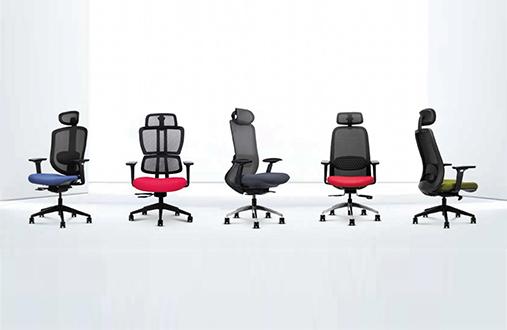
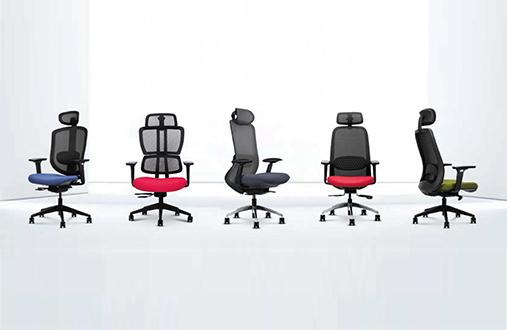
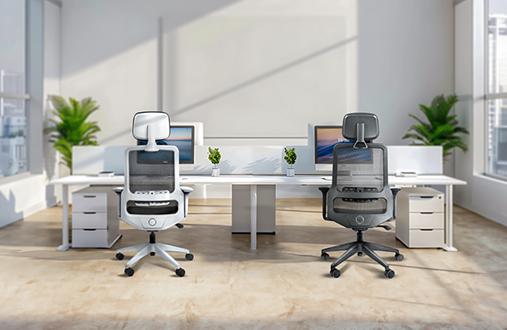
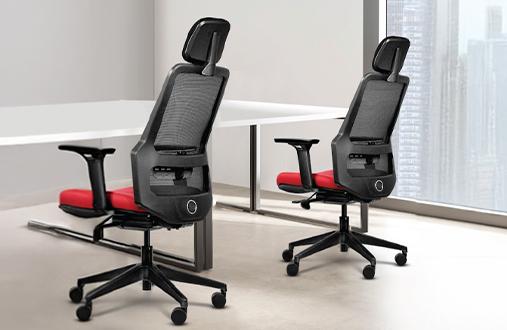
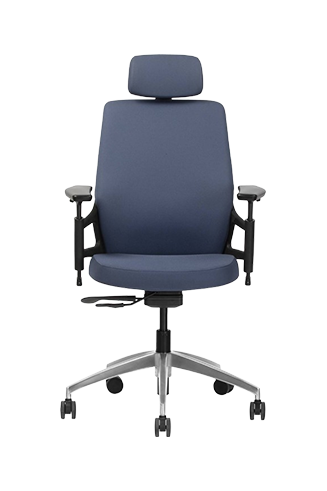
Organisations worldwide are recognising that employee comfort directly shapes productivity, retention, and workplace culture. The benefits of ergonomic chair investments extend far beyond physical support, touching everything from concentration levels to healthcare costs. When employees spend eight or more hours seated daily, the quality of that seating determines how they feel, think, and perform. This article examines why forward-thinking companies view ergonomic seating as a strategic priority rather than an operational expense and how thoughtful chair design creates measurable returns for both people and organisations.
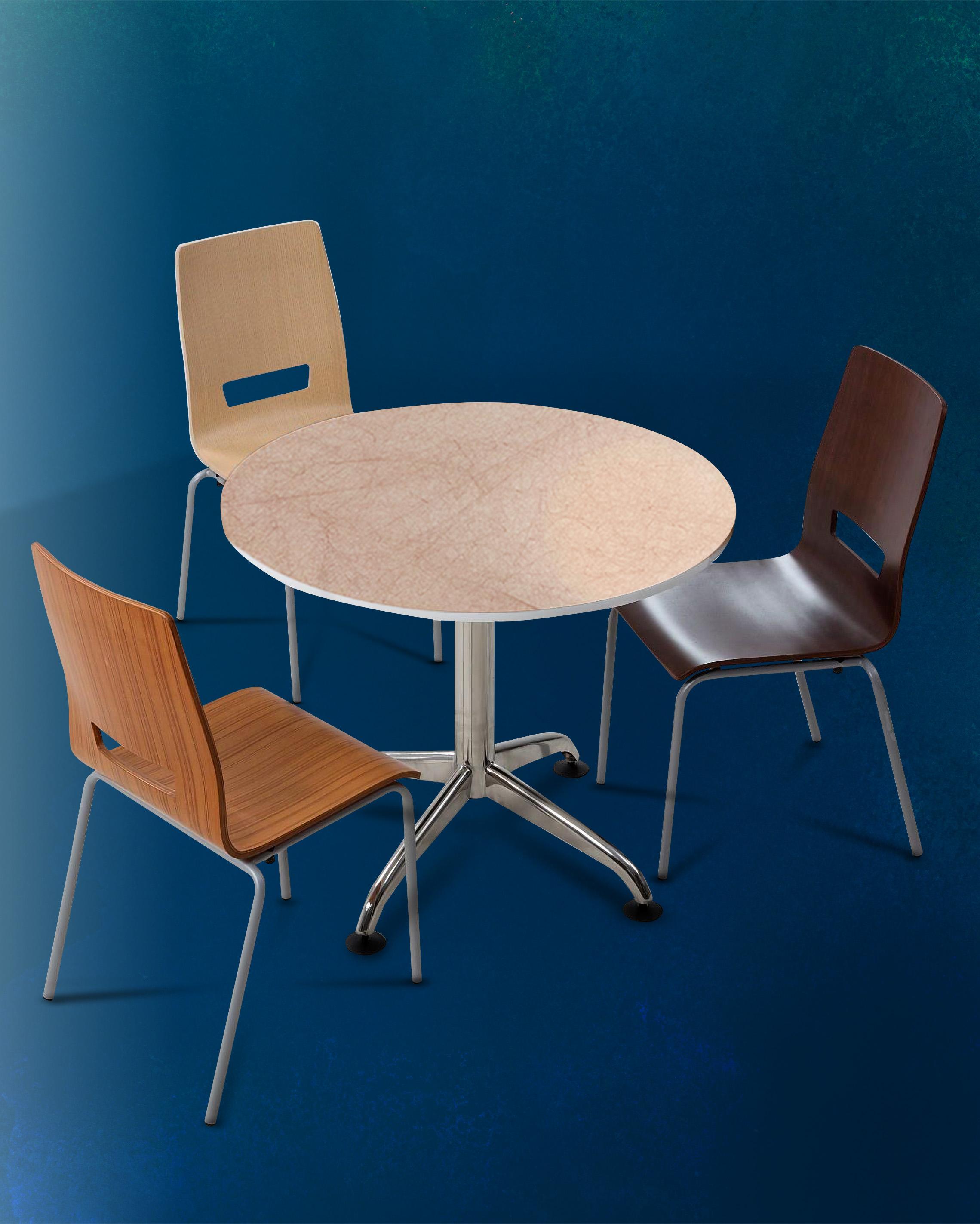
Modern workplace cafeterias serve as dynamic hubs where employees dine, collaborate, and recharge throughout the day. The right cafeteria seat choices directly influence comfort, posture, and social interaction during these essential break moments. Ergonomic design principles ensure intuitive support without complex adjustments, while durable, climate-appropriate materials withstand heavy daily use. Through thoughtful layouts, flexible arrangements, and long-term value considerations, organisations create dining environments that genuinely enhance employee satisfaction and reflect positive workplace culture.
Organisations today need seating that works hard across multiple environments. Multipurpose chairs serve training rooms during morning workshops, cafeterias at lunch, and collaborative zones throughout the afternoon. The right selection balances comfort, durability, and flexibility while respecting budget constraints. This guide walks facility managers and workplace decision-makers through practical considerations for choosing versatile seating that supports employees across every shared space.
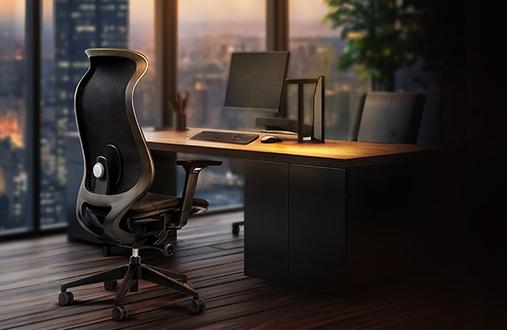
Overview The executive chair in a workspace carries more than just the physical presence through meetings and decision-making moments. These carefully crafted seating solutions blend premium materials, thoughtful design, and professional aesthetics to create an environment that supports both comfort and authority. From genuine leather upholstery to high-back designs that frame a powerful silhouette, executive chairs serve dual purposes in modern offices. They communicate professional standing while providing the support needed for focused work sessions.
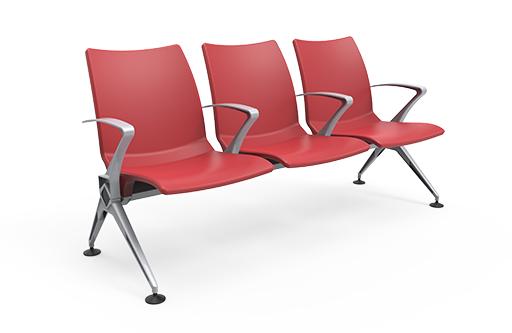
The way organisations design reception areas, lounges, and breakout zones reflects their values and shapes daily workplace experiences. A thoughtful office seating area communicates care for visitors, supports informal collaboration, and gives employees space to recharge between focused tasks. Modern design trends emphasise hospitality-inspired warmth, flexible furniture arrangements, and ergonomic support across all shared spaces. By understanding how seating choices influence comfort, productivity, and wellbeing, organisations can create environments where people genuinely want to spend time.
Overview When comparing gaming chair vs ergonomic chair options, understanding the real-world impact on the body matters far more than aesthetics. This guide walks users through design differences, lumbar support systems, material choices, and health considerations to help choose seating that genuinely supports the daily routine. Users will learn where each chair type excels, where it falls short, and how to match the selection to actual work patterns and comfort needs.
Understanding how to choose an office chair goes beyond aesthetics or budget. An employee's seating shapes the posture, energy levels, and long-term wellbeing during countless work hours. This guide walks users through the essential features, certifications, and practical considerations that separate supportive seating from chairs that quietly work against the body. From adjustability and lumbar support to materials suited for warm climates, users will find everything needed to make an informed, wellness-focused decision.
Long hours at a desk can quietly take a toll on the body, particularly the lower back. A well-designed chair for lumbar support helps maintain the spine's natural curve, reducing strain and encouraging healthier sitting habits throughout demanding workdays. This article explains how lumbar support functions, what features matter most, and how thoughtful seating choices contribute to lasting comfort and better posture. Whether users work from a corporate office, a co-working space, or a home setup, understanding these principles helps make informed decisions about daily seating.
An office chair does more than hold users upright through meetings and deadlines. It shapes how the back feels at 4 PM, whether focus holds during long reviews, and how energised users remain after hours at the desk. Recliner office chairs represent a shift in workplace seating philosophy, moving away from rigid postures towards dynamic support that adapts to the body's natural need for movement. This guide walks through the benefits, features, and practical applications that make reclining chairs a thoughtful choice for modern work environments.
Understanding how to choose an office chair shapes your daily comfort, posture, and long-term wellness. The right ergonomic task chair supports your spine's natural alignment, reduces physical strain during extended work hours, and helps maintain focus throughout demanding schedules. This guide walks through the essential considerations for selecting seating that genuinely serves your body, from adjustability features to material choices suited for warm climates. With thoughtful selection, your chair becomes a quiet partner in productivity and well-being.
The chair beneath a user quietly shapes every workday in breathability and dynamic support compared to traditional upholstered seating. This article walks users through how mesh construction differs from conventional foam-and-fabric designs, why thermal comfort matters more than one might realise, and what to consider when choosing between these two approaches. Whether the workspace runs warm or cool, understanding these differences helps users make a more informed seating decision.
An office chair carries a user through countless hours of focused work, video calls, and deadline sprints. Yet one critical feature often goes unnoticed: adjustable seat depth. This measurement—the distance from the seat's front edge to the backrest—determines whether the user's thighs receive proper support and the lower back stays comfortably aligned. Understanding this overlooked adjustment can reshape daily comfort, improve circulation, and help employees work without the nagging discomfort that builds through long hours at the desk.
Join Our Wipro Dealer Network / Become a premium Wipro Dealer Today