


Search Here
Table of Contents
|
Across corporate floors, startup hubs, and co-working spaces, employees spend countless hours seated in chairs. Through video calls, deadline sprints, and collaborative sessions, the chair quietly shapes user comfort, focus, and energy levels throughout every workday.
Understanding the benefits of ergonomic chair design helps organisations make informed decisions about workplace investments. When seating supports natural posture and encourages healthy movement, the positive effects ripple through productivity metrics, healthcare costs, and employee satisfaction scores.
When organisations evaluate the workspace investments, seating often receives less attention than technology or aesthetics. Yet the chair an employee uses daily influences physical health, mental clarity, and overall engagement with work. The true cost of inadequate seating reveals itself gradually, through absenteeism, reduced output, and declining morale.
Physical discomfort creates a persistent background distraction that fragments attention. When someone sits in a chair lacking proper support, part of the mental energy constantly manages pain or searches for a comfortable position. Research on cognitive load confirms that physical discomfort competes for mental resources, leaving less attention available for the actual work.
This drain on cognitive capacity affects everything from data accuracy to creative thinking. Employees dealing with lower back strain or neck tension cannot bring full focus to complex projects. The importance of ergonomic chair design becomes clear when organisations track error rates, project timelines, and the quality of collaborative work.
Studies across industries paint a concerning picture. Research shows that 62% of office worker symptoms appear in the back region, with 42% experiencing neck disorders. In metropolitan workplace studies, 59.4% of workers reported musculoskeletal disorders, demonstrating how widespread this challenge has become.
Office workers typically maintain prolonged uncomfortable postures with high static muscle load, creating conditions where problems develop over time. When chairs lack proper support, muscles work harder to maintain posture against gravity. This sustained effort leads to fatigue, strain, and eventually chronic discomfort that affects both work and personal life.
The advantages of ergonomic chair investments become measurable when organisations track the right metrics. Beyond reducing complaints, well-designed seating creates conditions where employees can perform at their best consistently.
However, the effectiveness of ergonomic seating depends on more than simply adding cushioning or premium materials. Chairs designed using ergonomic research should accommodate users of different body types and support healthy posture throughout the workday. Features such as adjustable seat height, lumbar support, armrests, seat depth, and synchronised recline allow individuals to tailor the chair to their needs, while innovations like automatic weight-sensing mechanisms help the chair adapt to different users with minimal manual adjustment.
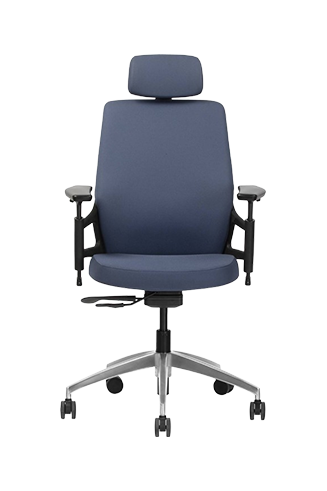
This is the design philosophy behind chairs such as the Wipro Adapt, which combines extensive adjustability with an automatic weight-sensing mechanism, making it particularly suitable for shared workspaces and organisations where multiple employees may use the same seating throughout the day.
Ergonomics applies biomechanics, physiology, and human factors research to reduce physical strain and improve how people interact with the work environment. Rather than forcing bodies to adapt to furniture, ergonomic design creates furniture that adapts to bodies.
Workers using ergonomic office chairs report significantly better concentration during long periods of focused work. When physical comfort becomes automatic, mental energy flows entirely toward the task at hand.
|
Seating Factor |
Standard Chair |
Ergonomic Chair |
Workplace Impact |
|---|---|---|---|
|
Lumbar Support |
Minimal or absent |
Adjustable, adaptive |
Reduces lower back strain during long hours |
|
Seat Adjustability |
Fixed or limited |
Multiple adjustment points |
Accommodates diverse body types |
|
Movement Support |
Static position |
Encourages micro-movements |
Maintains circulation and muscle engagement |
|
Material Quality |
Basic foam |
Breathable, supportive materials |
Comfort through temperature changes |
The ergonomic office chair benefits extend well beyond daily comfort into long-term health outcomes. By supporting key areas like the back, hips, and legs, these chairs reduce the risk of musculoskeletal issues while improving breathing and circulation.
Chronic back pain ranks among the leading causes of workplace absence. When organisations invest in seating that prevents rather than contributes to these conditions, it protects both the people and the operational continuity. Employees who avoid developing chronic conditions remain productive contributors regardless of the career length.
|
Wellness Insight: Prevention Over Treatment The benefits of ergonomic chair design work quietly in the background, preventing problems before they start. Unlike treating established conditions, proper seating support costs less and delivers better outcomes for everyone involved. |
Organisations evaluating ergonomic chair advantages often look for measurable returns. Research suggests that well-designed ergonomic interventions can generate financial benefits by reducing work-related musculoskeletal disorders, lowering associated costs such as absenteeism and injury, and supporting healthier, more productive work environments.
The numbers make a compelling case. Wellness programmes focusing on injury prevention yield positive returns when compared to the initial costs. Companies investing in workplace safety and health see returns of $4 - $6 for every dollar invested.
These returns materialise through several pathways:
Reduced healthcare costs: Fewer musculoskeletal claims and treatments
Lower absenteeism: Employees remain healthy and present.
Improved productivity: Better focus leads to higher-quality output.
Enhanced retention: Valued employees stay longer with organisations that invest in their comfort
The importance of ergonomic chair investments becomes clearer when calculated against the costs of turnover, temporary staffing, and productivity losses from disengaged employees.
A healthy environment sends a strong message about organisational priorities. Employees respond positively when organisations make meaningful investments in a user's physical comfort, which deepens engagement and encourages healthier behaviours across the board.
This cultural signal matters particularly in competitive talent markets. Companies that invest in ergonomics build stronger reputations, as employees and job seekers alike value health-focused workplaces. The benefits of ergonomic chair investments thus extend to recruitment advantages and employer brand strength.
Realising these benefits depends on choosing seating built on sound ergonomic principles. Features such as adaptive lumbar support, even weight distribution, and breathable materials help maintain comfort during long workdays. Chairs like the Wipro Always incorporate these elements through body-tracking lumbar support and an Aeroflo seat design, providing consistent lower-back support while improving airflow and sitting comfort.
Understanding which design elements matter most helps organisations make informed seating decisions. The advantages of ergonomic chair design stem from specific features that address how bodies actually work during seated tasks.
The lower back bears significant stress during seated work. Lumbar support maintains the spine's natural S-shaped curve, preventing slouching and reducing muscle fatigue during prolonged sitting. When properly adjusted, this support alleviates pressure on spinal discs while improving overall posture.
Quality lumbar systems offer adjustability because bodies differ. What works for one employee may not suit another. Industry guidelines like BIFMA G1-2013 recommend dimensions that fit at least 90% of the population, from the 5th percentile female to the 95th percentile male, ensuring chairs work for diverse teams.
The ergonomic office chair benefits include something counterintuitive: encouraging movement rather than locking users into static positions. Small posture changes, shifting, and micro-movements keep muscles active and improve circulation throughout the day.
Well-designed chairs support this dynamic sitting by adapting as the user moves. Tilt mechanisms, flexible backrests, and responsive materials allow natural position changes without losing support. This approach prevents the fatigue and stiffness that come from holding any single posture too long.
Comprehensive ergonomic programmes combine quality furniture with workplace culture that encourages movement throughout the day. Standing breaks, stretching, and position changes complement what good seating provides, creating environments where physical wellbeing supports sustained performance.
The Wipro Absolute embodies this philosophy and incorporates features like seat height and seat depth adjustment. It also comes with a contoured back designed to accommodate the natural curve of the spine.
The benefits of ergonomic chair investments touch every aspect of organisational performance, from individual health to company culture. When seating supports rather than strains the body, employees work better. The returns show up in productivity data, retention rates, healthcare costs, and the intangible but real quality of workplace experience.
Organisations ready to prioritise employee comfort can explore Wipro's ergonomic office chairs, designed with both user well-being and workplace demands in mind. Quality seating represents an investment that pays returns daily, through every hour of focused, comfortable work.
1. What are the main benefits of an ergonomic chair for office workers?
The benefits of ergonomic chair design include reduced back and neck strain, improved concentration, and better posture throughout long work hours. Quality seating supports natural spinal alignment while encouraging healthy micro-movements that prevent stiffness and fatigue.
2. How do ergonomic chairs improve workplace productivity?
Ergonomic seating removes physical discomfort as a distraction, freeing mental resources for actual work. Studies show positive productivity improvements in groups with ergonomic chairs, alongside better concentration during focused tasks.
3. What makes a chair truly ergonomic?
Truly ergonomic chairs offer adjustable lumbar support, seat height and depth modifications, and materials that adapt to body movement. They support neutral posture while allowing natural position changes throughout the day.
4. Why is the importance of ergonomic chairs increasing for companies?
Rising awareness of musculoskeletal disorders, competitive talent markets, and measurable ROI data drive this trend. Companies recognise that the advantages of ergonomic chairs extend beyond comfort and affect retention, productivity, and healthcare costs.
5. Can ergonomic chairs help reduce employee absenteeism?
Yes. By reducing musculoskeletal strain and preventing chronic conditions, ergonomic seating helps employees remain healthy and present. Chronic back pain ranks among the leading causes of workplace absence, making prevention valuable.
6. What should organisations consider when choosing ergonomic seating?
Key considerations include the adjustability range to fit diverse body types, lumbar support quality, movement-friendly design, material breathability for local climate conditions, and certification to recognised safety and durability standards.