


Search Here
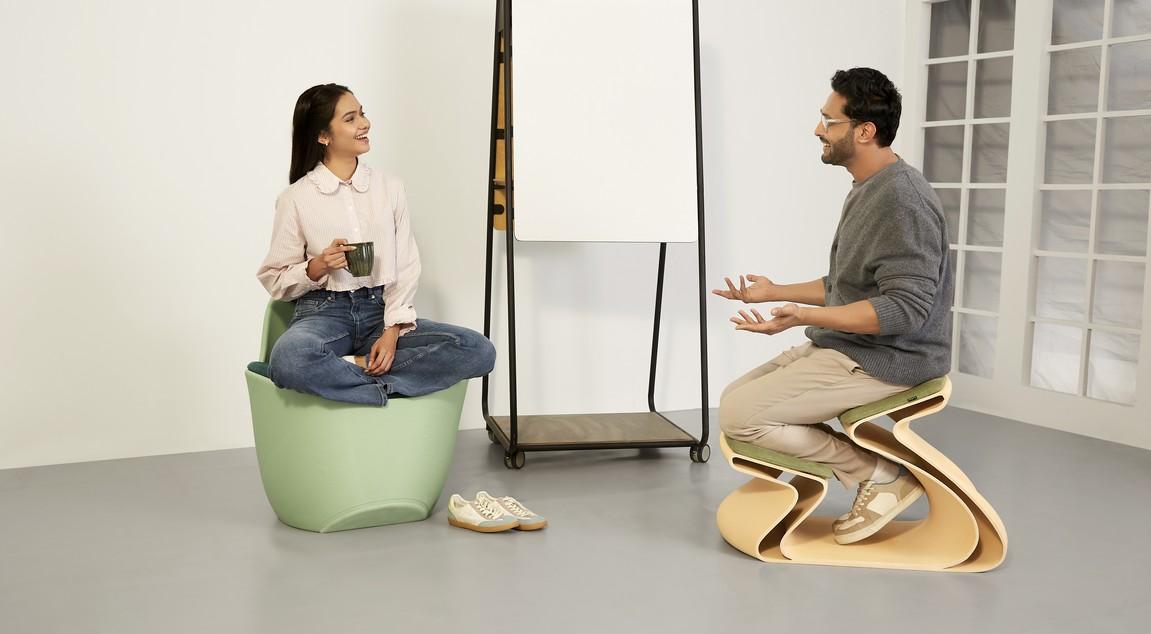
Table of Contents
|
Every piece of furniture in a workspace tells a story. The chair that supports users through long video calls, the seating that welcomes visitors, the arrangements that shape how a team collaborates—each item carries an environmental history. That history either adds to the waste accumulating in landfills or contributes to a healthier, more circular approach to production.
Choosing sustainable office furniture represents more than a purchasing decision. The materials, manufacturing processes, and end-of-life possibilities embedded in seating choices ripple outward, affecting everything from carbon emissions to indoor air quality.
The conventional approach to furniture production follows a troubling pattern. Raw materials are extracted, products are manufactured, used for a few years, and then discarded. This linear model generates millions of tonnes of furniture waste annually, with office chairs contributing significantly to the problem.
From sourcing to disposal, traditional furniture production involves deforestation, pollution, and waste accumulation. The manufacturing process alone carries a substantial carbon footprint, and most conventional chairs eventually end up in landfills where synthetic materials persist for decades. Office furniture, particularly chairs with mixed materials, presents significant environmental challenges across every stage of its lifecycle.
This reality feels particularly stark when one considers how many hours a team spends seated. The very furniture that supports daily productivity may be contributing to environmental degradation. Fortunately, a different approach exists—one where sustainable office furniture closes the loop on waste while delivering genuine comfort and durability.
Recycled materials in office seating address multiple environmental concerns simultaneously. Understanding how circular design principles translate into actual furniture helps you make more informed choices.
The circular economy offers a fundamentally different framework for thinking about furniture. Rather than the "take, make, dispose" approach, circularity prioritises reusing, repairing, recycling, and refurbishing materials to extend the useful lifespan as long as possible.
For seating specifically, this framework encourages three interconnected principles. First, reducing the amount of virgin raw materials required. Second, extending product lifespans through durable construction. Third, ensuring materials can be recycled back into new resources when a chair eventually reaches the end of its service life.
Sustainable furniture design begins in the earliest design phases, where manufacturers plan for longevity, repairability, and eventual recyclability. Chairs designed within this framework support longer lifecycle potential and create far less waste than conventionally produced alternatives.
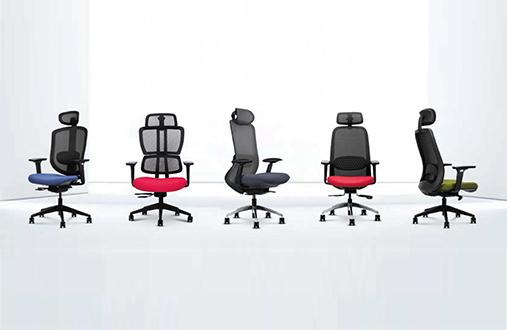
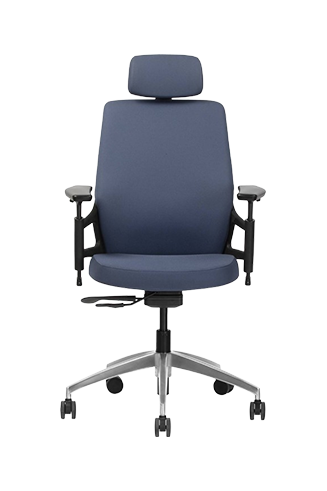
The Dyan collection from Wipro Seating focuses on that very aspect, and designs like the Eka are majorly made using 80% post-consumer recycled materials. The plastic waste is collected responsibly and then processed/cleaned before turning it into usable granules.
Not all recycled content percentages carry equal weight. A chair containing 10% recycled materials represents a step forward, but chairs achieving 80% recycled content demonstrate exceptional commitment to circular principles.
Achieving such high recycled content requires:
Advanced material science ensuring recycled components meet rigorous performance standards.
Manufacturing processes sophisticated enough to handle varied material inputs.
Design expertise that creates products that are both sustainable and beautiful.
Supply chain partnerships prioritising post-consumer material recovery.
|
Why 80% Matters When a chair contains 80% recycled materials, it means that for every five parts of the structure, four came from reclaimed waste rather than virgin resources. This dramatically reduces demand for new plastic production while diverting substantial quantities of waste from landfills. |
The specific materials used in eco-friendly office furniture determine both environmental impact and everyday performance. Understanding these materials helps users evaluate sustainability claims more effectively.
When the materials are sourced from post-consumer waste streams, it offers rigidity and consistency with a cleaner footprint. The recycling process involves collecting discarded plastics, sorting by type, cleaning thoroughly, and processing into uniform granules.
These granules become the raw material for new furniture, completing a loop that would otherwise end in a landfill.
Where materials come from matters as much as what they are. Material recovery facilities serve as the starting point for responsibly sourced recycled content. These facilities sort, process, and prepare post-consumer waste for transformation into new products.
|
Material Type |
Environmental Benefit |
Performance Characteristic |
|---|---|---|
|
Recycled Material |
Diverts plastic waste from landfills |
Durable, lightweight, moisture-resistant |
|
Recycled Aluminium |
Saves a considerable amount of energy versus virgin production |
Strong, corrosion-resistant, fully recyclable |
|
Recycled Steel |
Reduces mining demand and emissions |
High strength, long-lasting, recyclable |
|
Recycled PET Fibres |
Repurposes plastic bottles |
Soft padding, consistent cushioning |
Beyond recycled content, sustainable office furniture often incorporates FSC-certified wood, reclaimed metal, and organic fabrics where applicable. The goal is creating products with minimal environmental impact across every material component.
Sustainability claims vary wildly in credibility. Recognised certifications help distinguish meaningful environmental commitment from superficial marketing language.
Several certification frameworks apply to sustainable office chair products:
BIFMA LEVEL: serves as the furniture industry's equivalent of LEED certification, evaluating products across materials, energy, human health, and corporate social responsibility criteria.
ISO 14001: recognises companies that systematically reduce environmental impact through documented management systems.
CII Green Pro: verifies products meet strict chemical emission limits for indoor air quality.
The Bureau of Indian Standards (BIS): ensures products meet Indian government quality standards.
The Dyan Collection carries endorsement from Swasti Yoga Centre for its alignment with healthy sitting postures, plus certification from India Ergo for delivering postural benefits during use. The Erth model within this range has also received the prestigious Red Dot Design Award, recognising its Calla Lily-inspired form as a significant achievement in design quality.
India's commitment to sustainable building practices continues growing, with the nation maintaining its third global ranking for LEED certifications in 2024. Furniture choices play a crucial role within these certified spaces, making sustainable office furniture selection increasingly important for organisations pursuing green building credentials.
Environmental responsibility represents just one dimension of sustainable furniture's value. The benefits extend into organisational economics, employee wellbeing, and workspace aesthetics.
Sustainable furniture tends to have longer lifecycles, reducing replacement frequency and associated costs. Chairs designed for durability, tested under rigorous standards, often outlast cheaper alternatives by years.
Beyond durability, eco-friendly office furniture supports employee wellbeing. Products free from volatile organic compounds (VOCs) minimise harmful gases that can pollute indoor air. This matters particularly in spaces where people spend eight or more hours daily.
Companies with well-designed offices report higher employee satisfaction, with furniture quality contributing significantly to this outcome. When seating choices demonstrate environmental care, that message resonates with employees who increasingly expect the organisation to reflect the values.
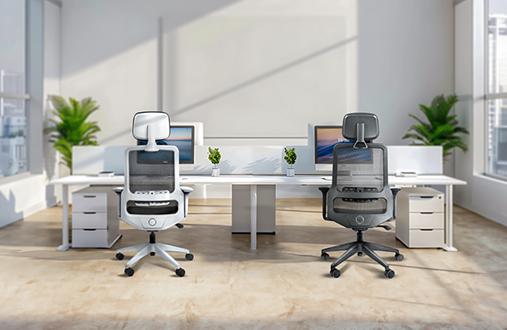
The economic case strengthens further when considering modular, portable designs. The Dyan range includes standalone chairs that move easily between work zones, adapting to flexible layouts without requiring new purchases when spaces reconfigure.
Sustainability no longer requires aesthetic sacrifice. Contemporary sustainable office chair designs prove that environmental responsibility and visual appeal coexist beautifully.
Compact footprints address the space constraints many organisations face, while low-level seating options support comfortable floor sitting for informal discussions or mindful breaks. The chairs encourage natural movement, with the Matsya model featuring a carefully balanced rocking action that keeps users engaged without becoming distracting.
|
Design Insight: Movement and Mindfulness The Dyan Collection draws inspiration from yoga principles—balance, alignment, and mindfulness. This philosophy translates into seating that encourages active sitting and natural posture shifts rather than static positions that lead to stiffness and fatigue. |
Every furniture choice carries consequences that extend far beyond the immediate workspace. Choosing sustainable office furniture made from recycled materials reduces landfill waste, lowers carbon emissions, supports healthier indoor air quality, and demonstrates genuine environmental commitment.
Chairs crafted from 80% post-consumer recycled materials represent the kind of meaningful progress that adds up across millions of workspaces. Once an organisation is ready to align its seating choices with its employee values, the Dyan Collection offers a range designed with both planetary and human wellbeing in mind.
1. What qualifies as sustainable office furniture?
Sustainable office furniture incorporates recycled materials, responsibly sourced components, low-VOC finishes, and durable construction designed for long service life. Genuine sustainability addresses the environmental impact from manufacturing to disposal.
2. How does recycled content affect chair durability?
High-quality recycled materials match or exceed virgin material performance. Proper manufacturing ensures recycled content chairs meet rigorous durability standards for years of daily use.
3. Why should organisations prioritise eco-friendly office furniture?
Eco-friendly office furniture reduces environmental impact, supports LEED certification goals, improves indoor air quality, and demonstrates values alignment to employees and visitors who increasingly expect corporate environmental responsibility.
4. What certifications indicate genuine sustainability?
Look for BIFMA LEVEL certification, ISO 14001, CII GREEN Pro, and BIS standards. These third-party verifications confirm environmental claims through documented testing and assessment rather than marketing language alone.
5. Can sustainable office chairs be comfortable and aesthetically appealing?
Absolutely. Modern sustainable office chair designs combine ergonomic support with contemporary aesthetics. Collections like Dyan prove that recycled materials, comfortable seating, and beautiful design work together seamlessly.
6. How does 80% recycled content compare to industry standards?
Most furniture contains far lower recycled content percentages. Achieving 80% requires sophisticated manufacturing and committed supply chain partnerships, representing exceptional dedication to circular economy principles.
7. What happens to sustainable furniture at the end of its life?
Furniture designed within circular frameworks uses materials that can be separated and recycled into new products, continuing the loop rather than ending in landfills where conventional furniture persists for decades.