


Search Here
Table of Contents
|
The office cafeteria holds a quiet significance in daily work life. It's where teams gather between demanding meetings, where colleagues reconnect over lunch, and where minds find a moment's rest from screens and deadlines. The cafeteria seat someone settles into during these breaks shapes whether that pause feels genuinely restorative or merely functional.
This guide walks through the essential design considerations that help organisations create meaningful dining spaces. From ergonomic foundations to material choices, every element contributes to environments where employees actually want to spend their break time.
Workplace dining areas have quietly grown into something far more valuable than simple eating spaces. Understanding this shift helps organisations make smarter seating decisions.
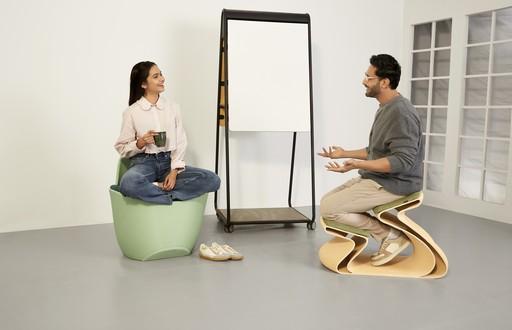
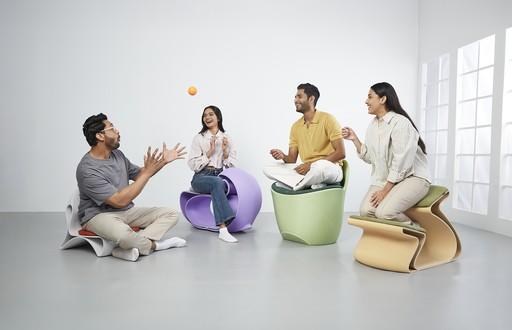
The contemporary cafeteria chair serves purposes that extend well beyond meals. These spaces now function as collaboration hubs where teams needing larger workspaces or individuals requiring quiet time can work cohesively within different intentional sections.
Research paints a concerning picture: many employees eat lunch alone, while some even eat at the desks. This behaviour blurs the boundary between work and rest, contributing to burnout over time. Thoughtfully designed dining spaces with comfortable office canteen chairs actively encourage employees to step away from workstations and experience genuine breaks.
The dining area now serves as a central hub for social interaction, relaxation, and rejuvenation. When organisations recognise this expanded role, offices begin viewing cafeteria seat selection as a strategic decision rather than a routine procurement task.
Comfort in break-time seating operates differently than all-day desk chairs. The focus shifts from extensive adjustability to immediate, universal support that works for everyone who sits down.
Cafeteria-style chairs should support neutral spine alignment while allowing easy movement. Unlike task seating, these chairs need to accommodate the 5th to 95th percentile of users without complex adjustments, since people rarely customise settings for short-term sitting.
The ideal cafeteria chair provides intuitive support where nobody needs instructions to sit comfortably. Design should naturally guide proper posture while remaining flexible enough for varied activities. When employees sit down for a quick coffee or a 30-minute lunch, the chair should immediately feel supportive without fidgeting or adjustment.
The Wipro Munch cafeteria chair embodies this approach and presents a chair which is a perfect fit for most users. Its unique backrest doesn't just look striking, but it also provides utility by providing spaces to hang bags. Winner of the I-Design award in 2012, the Munch provides an ergonomic design fit for most users. It is also stackable, which decreases its need for space in the office.
|
Seating Type |
Duration |
Key Comfort Priorities |
|---|---|---|
|
Quick-stop areas (coffee zones) |
5-15 minutes |
Easy entry/exit, durability |
|
Main dining |
30-45 minutes |
Postural support, comfort |
|
Informal meeting zones |
15-30 minutes |
Conversation-friendly, flexible |
Specific measurements matter significantly for universal comfort. Studies indicate that a seat height of approximately 45 cm works well for most users when paired with standard cafeteria table heights. The seat pan angle becomes particularly important. A slight backward tilt encourages proper spinal alignment without forcing an overly upright position.
Beyond individual chair selection, how seating is arranged within the space determines whether the cafeteria feels welcoming or cramped. Thoughtful layouts encourage usage while supporting different activities.
Adequate circulation prevents the frustration of navigating crowded dining areas. Ergonomic planning guidelines recommend allocating approximately 24 inches (610 mm) of table width per seated diner to provide comfortable personal space, while accessibility standards emphasise maintaining clear circulation routes around seating so diners can move safely and comfortably.
Multi-generational workforces benefit from varied seating environments. Effective space planning creates zoned areas with communal lounges for younger employees and quieter booth-style sections for those preferring privacy.
Recommended zone types:
High-traffic areas near coffee stations or vending zones: Bar-height stools or perch seats keep people moving while offering quick support.
Main dining zones: Office canteen chairs supporting comfortable 30-45 minute periods
Quiet corners: Booth-style seating for focused conversations or solo breaks
Flexible spaces: Easily reconfigurable seating for team gatherings
Some areas naturally suit quick visits, while others support longer, relaxed breaks. Choosing cafeteria chair styles that reflect real workplace behaviour helps organisations create more functional, satisfying environments.
Material selection directly impacts durability, hygiene, comfort, and long-term maintenance costs. The right choices balance practical demands with aesthetic appeal.
Cafeteria-style chairs face demanding daily use that residential furniture rarely encounters. Commercial furniture must withstand constant use, heavy-weight loads, and frequent cleaning with industrial-strength chemicals.
High-grade plastics have become extremely common for good reason. Materials like polypropylene create one-piece moulded chairs that are affordable, durable, and easy to stack. These appear frequently in cafeterias, event halls, and outdoor dining areas because they handle heavy use gracefully.
The Wipro Waffle suits this niche perfectly with its durable and stylish design. The lattice-design backrest helps distribute weight evenly and also accommodates different users with ease. The single-mould plastic frame accompanied by the stackable design makes things more convenient.
Cleanliness standards in shared dining environments have grown increasingly important. Furniture must withstand aggressive cleaning agents without degradation, with non-porous surfaces and minimal joints or crevices supporting thorough disinfection.
Surfaces that are simple to clean help maintain hygiene standards while retaining their appearance over time. Finishes that degrade quickly create a worn-out look that undermines the space's appeal. For any cushioned elements, choose covers that can be easily removed and washed or replaced when stained.
|
Design Consideration The best cafeteria seat materials balance immediate comfort with long-term practicality. A chair that feels pleasant today but shows wear within months ultimately disappoints everyone. |
Modern workplaces demand spaces that adapt to changing needs throughout the day. Cafeterias that shift smoothly between functions deliver greater value than single-purpose dining rooms.
In cafeteria design, flexibility means more than simply moving furniture. One space can shift between dining, coffee breaks, informal discussions, brainstorming sessions, small events, training breaks, and visitor waiting without looking temporary or difficult to manage.
Stackable or foldable chairs save space and add versatility for event seating. When the cafeteria needs to accommodate a town hall meeting or company celebration, office canteen chairs that stack efficiently make quick reconfiguration possible.
Practical, flexible furniture should be the following:
Stable during normal use
Easy to clean between configurations
Visually consistent across arrangements
Simple to rearrange without special equipment
Combining standard-height tables with bar-height or counter-height options adds dimension to the space. Round tables encourage small-group conversation, while rectangular tables can combine for team activities or separate for daily dining.
Standing-height tables work especially well near coffee stations or in transition areas, supporting quick meals or casual conversations. This variety accommodates different social dynamics and work modes, from solo dining to collaborative discussions.
The connection between seating quality and employee wellbeing extends beyond physical comfort. Thoughtfully designed dining spaces influence stress levels, social connection, and overall job satisfaction.
A productive cafeteria serves as a space that promotes relaxation, socialisation, and rejuvenation, allowing employees to recharge energy levels. Comfortable, well-designed furniture reduces fatigue and improves employee effectiveness.
Ergonomic cafeteria seat options with supportive design reduce physical strain, resulting in improved overall job performance when employees return to work. Combined with natural lighting and aesthetically pleasing surroundings, quality seating contributes to stress reduction and improved mental wellbeing.
For organisations that provide a one-hour lunch break, employees may spend up to 250 hours per year away from their primary workstations. This substantial amount of time highlights the importance of designing comfortable, functional dining and breakout spaces.
Dining spaces function as natural gathering points where people intersect across teams, roles, and schedules. A well-designed employee cafeteria fosters belonging and community, encouraging employees to take breaks and connect with colleagues.
In hybrid work environments, this matters even more. Employees working from home can eat there. This creates a compelling reason to come to the office. A vibrant dining area with comfortable cafeteria-style chairs and a welcoming atmosphere gives people something they cannot replicate from home.
When the dining area becomes a place people genuinely enjoy spending time, it adds real value to days spent in the office.
Quality cafeteria chair investments reduce long-term maintenance and replacement costs while maintaining consistent standards that reflect positively on workplace culture.
Key quality indicators:
BIFMA certification for safety and durability standards
Warranties covering commercial use conditions
Replacement part availability
Proven track record in similar environments
Organisations that view cafeteria furniture as infrastructure rather than a disposable amenity realise better value over the furniture's lifespan. Initial investment in quality seating pays dividends through reduced replacement cycles, lower maintenance demands, and sustained aesthetic appeal.
Every cafeteria seat decision shapes how employees experience the daily breaks. When organisations approach these choices thoughtfully, considering ergonomics, materials, flexibility, and long-term value, dining spaces that genuinely support well-being are created.
The right seating turns an ordinary dining area into a destination employees appreciate. Browse Wipro's café and cafeteria seating solutions to find durable, comfortable options designed with modern workplace needs in mind.
1. What ergonomic features should a cafeteria seat include?
A quality cafeteria seat should offer neutral spine support, appropriate seat height, and a slight backward tilt for comfort. Unlike task chairs, these need immediate universal comfort without complex adjustments.
2. How often should office canteen chairs be replaced?
Well-maintained office canteen chairs made from durable commercial-grade materials typically last many years. Quality construction and easy-clean surfaces extend lifespan while maintaining appearance and comfort.
3. What materials work best for cafeteria-style chairs?
Cafeteria-style chairs made from polypropylene, laminate, or stainless steel handle heavy daily use effectively. These materials resist stains, clean easily, and maintain appearance through frequent sanitisation.
4. How much space should be allocated per cafeteria seat?
Allow 24 inches between chairs for comfortable movement. Adequate spacing prevents crowding and encourages employees to use the dining space regularly.
5. Why does cafeteria chair flexibility matter?
Flexible cafeteria chair options allow spaces to shift between dining, meetings, and events throughout the day. Stackable, lightweight designs enable quick reconfiguration without special equipment or excessive effort.
6. How does seating quality affect employee wellness?
Quality seating reduces physical strain during breaks, supporting restoration and stress reduction. Employees spending approximately 250 hours annually in cafeterias benefit significantly from ergonomic, comfortable design.