


Search Here
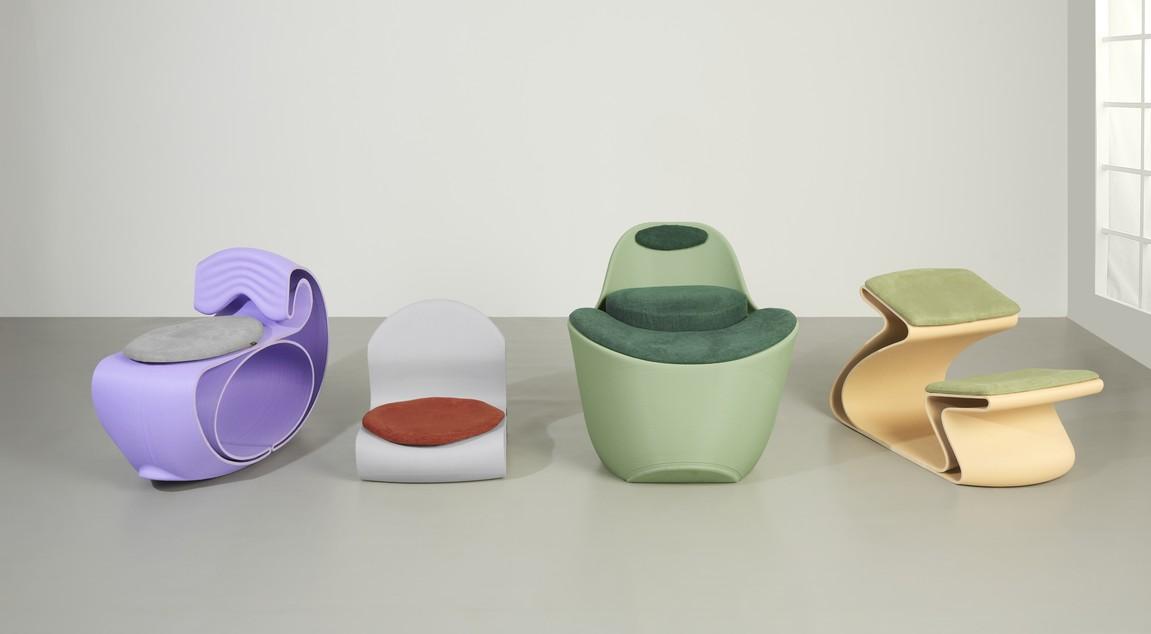
Table of Contents
|
The chair holds users through conference calls that stretch past the scheduled time, through spreadsheets requiring deep concentration, and through those mid-afternoon slumps when energy dips. It witnesses users' posture shift from upright alertness to a gentle slouch as fatigue sets in.
Yet the health risks of sitting all day often remain invisible until discomfort demands attention. Understanding what happens beneath the surface helps users respond with compassion for the body and practical changes to the workspace.
The physical consequences of sustained stillness accumulate gradually, often without obvious warning signs. The human body communicates through subtle discomfort before pain becomes impossible to ignore.
When users remain seated for extended periods, the musculoskeletal system bears significant strain. Research indicates that employees associate prolonged occupational sitting with poor health, primarily through musculoskeletal issues, fatigue, and decreased motivation. Corporate desk employees spend 6-10 hours per working day in sustained static sitting.
The health risks of sitting at a desk all day manifest across multiple body regions. A high prevalence of musculoskeletal disorders affects the neck and lower back among office workers. Those working in seated positions report back pain, muscle tenderness, stiff necks, and numbness in the legs more frequently than workers with varied physical demands.
The underlying mechanism relates to how stillness affects the spine. Inactive sitting puts excessive stress on the lumbar area while decreasing muscle tone, fluid movement around spinal discs, and blood circulation. When users don't move, the intervertebral discs receive fewer nutrients, and the back muscles gradually weaken from disuse.
Beyond musculoskeletal strain, sitting all day can cause health problems affecting the heart and metabolism. Research demonstrates associations between prolonged sitting and cardiovascular disease, diabetes, and even certain cancers. Prolonged sitting can double the risk of developing diabetes while contributing to abdominal fat accumulation.
Occupational sitting time shows detrimental associations with HDL cholesterol, triglycerides, and insulin levels. The concern intensifies when considering that chronic illnesses now manifest nearly a decade earlier in the workforce compared to previous generations, often appearing by age 40.
|
Health Domain |
Effects of Prolonged Sitting |
How Movement Helps |
|---|---|---|
|
Musculoskeletal |
Lower back pain, neck stiffness, reduced spinal fluid movement |
Relieves disc pressure, maintains muscle tone |
|
Cardiovascular |
Elevated triglycerides, reduced HDL cholesterol |
Improves circulation, supports heart health |
|
Metabolic |
Insulin resistance, increased diabetes risk |
Enhances glucose metabolism, reduces fat accumulation |
|
Cognitive |
Decreased problem-solving ability, mental fatigue |
Restores alertness, improves creative thinking |
Here's a finding that surprises many health-conscious professionals: A morning workout may not counteract hours of subsequent stillness. The World Health Organisation defines sedentary behaviour as waking activity at or below 1.5 metabolic equivalents in a sitting posture, and critically, this exists separately from physical inactivity.
The dangers of sitting all day persist independently of any exercise habits. A person can meet all recommended exercise guidelines yet still accumulate substantial occupational sitting with independent physiological consequences. Researchers call this the "Active Couch Potato" phenomenon.
This means that the body needs movement distributed throughout the day, not concentrated in a single gym session. The health risks of sitting all day require workplace-based solutions rather than after-hours compensation alone.
Understanding why movement matters transforms how users approach each workday. Small, frequent postural changes create meaningful physiological benefits that static positions cannot provide.
Breaks in prolonged sitting correlate with beneficial metabolic profiles, explaining lower health risks related to waist circumference, BMI, triglyceride levels, and blood glucose. Research indicates that small movements throughout the day benefit metabolism, circulation, digestion, and healing.
A combination of increased standing time, walking, and postural transitions associates with positive musculoskeletal and cardiometabolic indicators among sedentary workers. The key insight: no single sitting posture remains correct long-term. Only continuous change between postures promotes wellbeing and health.
|
The Muscle Pump Effect When users move, even subtly, the muscles act as a secondary pump for the circulatory system. Small movements like shifting weight, gentle rocking, or stretching facilitate venous return and reduce internal pressure on spinal discs. |
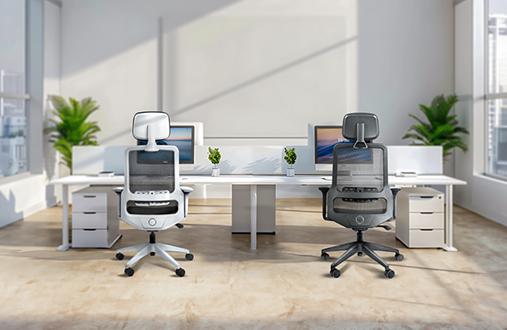
Active seating keeps the body engaged while sitting, encouraging small movements that improve posture and prevent muscle stiffness. Unlike traditional chairs promoting static positions, active seating allows natural shifts in posture throughout the day.
Dynamic sitting reduces back strain while strengthening core muscles through encouraged subtle movements. Contemporary active seating designs seek to free sitters from constrained postures of traditional upright office chairs, using dynamic surfaces to increase movement and promote healthier positions.
Benefits of active seating include:
Better spinal alignment with reduced slouching
Engaged core, leg, and back muscles, preventing stiffness
Improved circulation by reducing static sitting
Decreased lower back pain and discomfort
Enhanced nutrient supply to intervertebral discs
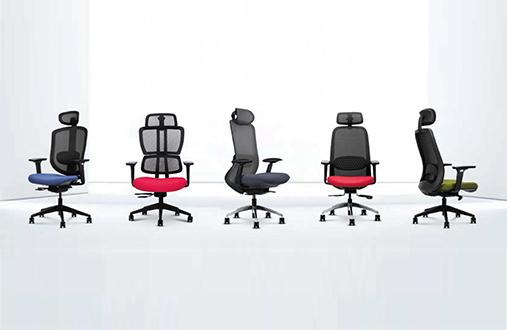
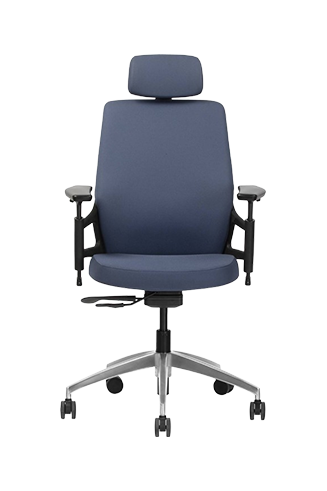
When seating design draws from movement traditions rather than static support alone, the relationship between a user and the chair shifts fundamentally. The Dyan Collection by Wipro Seating Solutions embodies this philosophy through yoga-inspired principles of balance, alignment, and mindfulness.
The health risks of sitting at a desk all day call for solutions that respect how bodies naturally want to move. The Dyan Collection reflects human-centric design thinking, where each chair encourages subtle postural shifts rather than enforcing rigid stillness. Endorsed by Swasti Yoga Centre and certified by India Ergo, these chairs align with healthy sitting postures while delivering measurable postural benefits.
Products like Matsya feature fluid forms encouraging the body to shift naturally while working, reading, or thinking. The rocking action remains carefully balanced to calm rather than distract, helping users stay engaged and playful while reducing stiffness that accompanies prolonged sitting at work.
Traditional yoga does not treat stillness as mere physical rigidity. Patañjali describes āsana as a balance of steadiness and ease, while the broader yogic tradition connects physical posture with conscious attention and awareness. Applied to workplace seating, this wisdom suggests chairs should support mindful movement rather than enforce immobility. The dangers of sitting all day diminish when seating actively invites gentle postural variation.
The Dyan approach acknowledges that sitting all day can cause health problems when seating design ignores the body's movement needs. By incorporating rocking, shifting, and repositioning into the chair's fundamental design, these solutions transform long sitting hours into opportunities for subtle, healthful engagement.
|
Design Insight The Dyan Erth chair, inspired by the smooth curves of the calla lily, offers unlimited sitting possibilities from folded-leg positions to stretched or bent postures. This flexibility encourages calm, balance, and meditative comfort throughout a workday. |
Beyond choosing supportive seating, cultivating awareness around sitting patterns creates lasting change. Workplace education should explain the health hazards of prolonged sitting while providing practical recommendations employees can implement immediately.
The 20-8-2 approach offers a practical framework: spend 20 minutes seated in a supported neutral position, 8 minutes of standing, and 2 minutes of walking to reset the musculoskeletal system. This rhythm counters the health risks of sitting all day through structured variation.
Practical strategies for healthier workdays:
Set gentle reminders to shift position every 20-30 minutes.
Use phone calls as opportunities to stand or walk
Position frequently used items slightly out of reach to encourage movement
Alternate between seated and standing work when possible
Choose active seating that supports natural postural changes.
Workplace interventions addressing sedentary behaviour are considered joint responsibilities of individuals and organisations. When employers prioritise seating that encourages movement, the business case proves compelling: for every rupee spent on employee wellness, organisations see Rs.132.33 in savings from reduced absenteeism alone.
The health risks of sitting all day need not define a user's work experience. With awareness of how stillness affects the body and access to seating designed for movement, users can protect office comfort and vitality through each workday. Small, consistent changes in how one sits can create meaningful long-term benefits.
If organisations are ready to bring movement into users' seated hours, the Dyan Collection offers yoga-inspired designs crafted for modern workspaces. These chairs support the postural variation the body craves while bringing mindful intention to everyday sitting.
1. What are the main health risks of sitting all day at work?
Prolonged sitting at work contributes to lower back pain, neck stiffness, reduced circulation, elevated blood sugar levels, and increased cardiovascular strain. These effects occur independently of your exercise habits outside work hours.
2. How does active seating reduce the dangers of sitting all day?
Active seating encourages continuous micro-movements that engage core muscles, improve circulation, and supply nutrients to spinal discs. This gentle motion prevents the stiffness and metabolic slowdown associated with static sitting.
3. Can sitting all day cause health problems even if I exercise regularly?
Yes. Research shows sedentary behaviour at work carries independent health consequences regardless of exercise habits. Your body needs movement distributed throughout the day, not concentrated in single sessions.
4. What makes Dyan chairs different from regular office chairs?
The Dyan Collection incorporates yoga-inspired movement principles, encouraging natural postural shifts rather than enforcing static positions. Certified by India Ergo, these chairs support active sitting throughout long work hours.
5. How often should I change positions to avoid health risks of sitting at a desk all day?
Aim to shift your posture every 20-30 minutes. The 20-8-2 approach recommends 20 minutes of supported sitting, 8 minutes of standing, and 2 minutes of walking each half-hour.
6. Why do the health risks of sitting all day matter for younger workers?
Chronic illnesses now manifest nearly a decade earlier in the workforce, often appearing by age 40. Addressing prolonged sitting at work early helps prevent cumulative damage before symptoms become significant.
7. What simple changes reduce sitting-related discomfort immediately?
Choose seating that allows movement, set position-change reminders, stand during phone calls, and ensure your workspace encourages natural postural variation throughout each day.