


Search Here
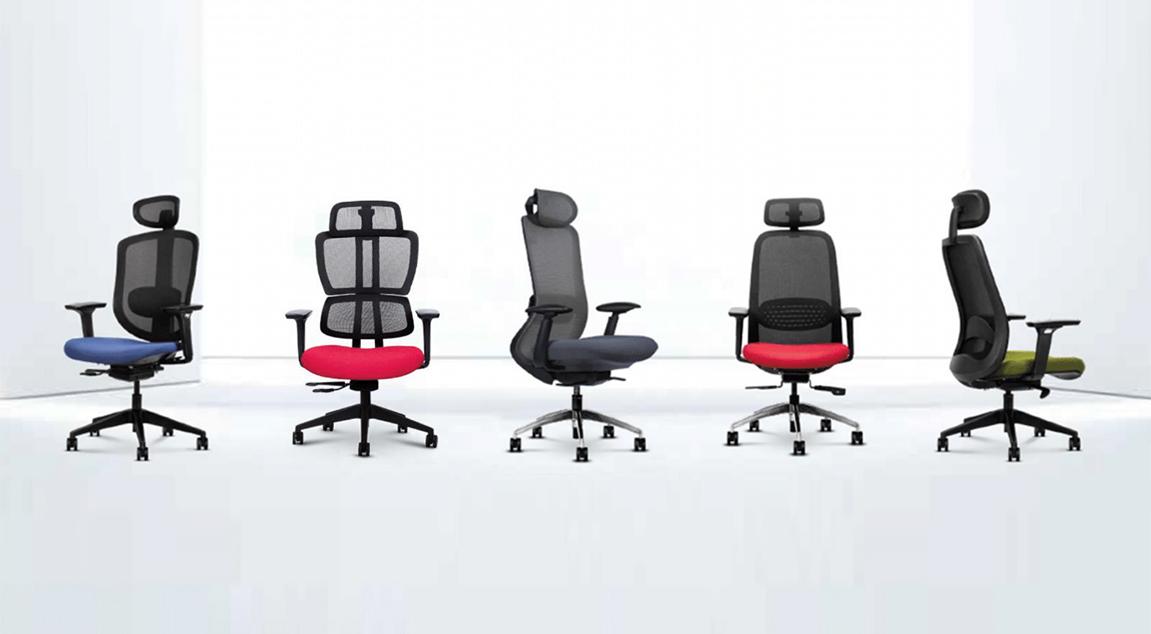
Table of Contents
|
The office chair holds a user through back-to-back video calls, quarter-end deadlines, and those afternoon stretches when energy dips. It's there while leaning forward to review spreadsheets, while sitting back during team discussions, and while shifting positions searching for relief. Understanding how to choose an office chair begins with recognising this quiet companion's role in the daily rhythm.
The difference between adequate and thoughtful seating design shows up in how users feel by 4 PM. When a chair works with the body rather than against it, comfort becomes invisible, letting users focus on work rather than discomfort. Below, we'll walk through what separates genuinely supportive seating from chairs that simply fill space.
The relationship between seating and workplace wellness runs deeper than most.
Professionals recognise. Before examining specific features, understanding why a chair choice carries such weight helps frame every decision that follows.
That persistent lower back ache during afternoon meetings isn't random. Corporate employees typically sit for nine to eleven hours daily, making sedentary behaviour one of the biggest physical risks in desk-based work. This prolonged sitting connects directly to back pain, poor circulation, and heightened cardiovascular risk when seating fails to provide adequate support.
The numbers paint a concerning picture. Research indicates that 76% of workers across various occupations report work-related musculoskeletal complaints.
While learning how to pick a good office chair, understanding what happens without proper support clarifies the stakes. Studies show how long people sit in offices each day. Without appropriate support, this duration leads to fatigue, chronic pain, and musculoskeletal disorders that become primary causes of workplace absenteeism.
Research across industries reveals that absenteeism due to musculoskeletal issues runs 2.8 times higher in workplaces with poor ergonomics. Meanwhile, 68% of workers believe improved ergonomics would significantly enhance job performance. These aren't abstract statistics—they represent real discomfort affecting real people every workday.
Moving from problems to solutions, genuine ergonomic design follows specific principles rooted in how the human body actually works. Understanding these fundamentals helps users recognise quality when evaluating options.
No two bodies are identical, which makes adjustability the cornerstone of how to choose ergonomic chair options effectively. Quality ergonomic seating includes adjustable seat height, lumbar support, armrests, and backrest tilt, allowing customisation that matches your unique proportions and work preferences.
These characteristics cater to individual needs, allowing maintenance of a neutral, comfortable position throughout the day. Research has linked these adjustable factors directly to job performance and organisational productivity, highlighting that seat depth, lumbar customisation, and tilt options prove crucial for optimal work performance.
A chair that genuinely supports your workday should offer the following:
Seat height adjustment that lets the feet rest flat with thighs parallel to the floor
Lumbar support that adapts to the spine's natural curve
Armrests positioned to prevent shoulder tension during typing
Backrest tilt that encourages natural movement throughout the day
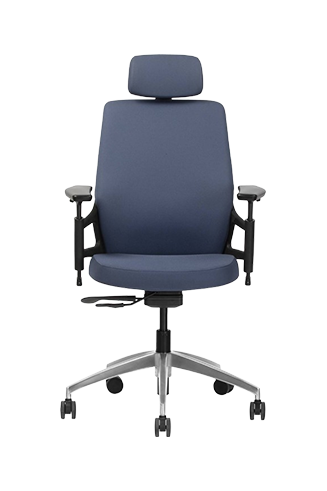
Many modern ergonomic office chairs incorporate these features in different configurations. For example, the Wipro Of Course chair offers adjustable seat height, tilt control, and both high-back and low-back variants, illustrating how ergonomic seating can be adapted to suit different users and workplace requirements.
The lower back carries significant load during seated work, making lumbar support perhaps the most critical element when learning how to pick the best office chair. Ergonomic chairs maintain the spine's natural S-shape through targeted support that can adjust both vertically and horizontally to match the body.
This support system prevents the forward head posture and rounded shoulders characterising "desk worker's posture". By keeping the spine in proper alignment, quality chairs reduce cervical spine strain and prevent the premature disc degeneration that comes from prolonged poor positioning. The result is dramatically reduced disc compression that otherwise leads to herniated discs, pinched nerves, and chronic inflammation.
|
Design Insight: Why Spine Alignment Matters Working in an office involves spending considerable time in positions that add stress to spinal structures. An ergonomic chair that supports the lower back and promotes good posture helps avoid developing or compounding back problems over time. |
With foundational understanding in place, practical selection requires matching features to specific needs. Different work patterns demand different support approaches, making personalised assessment essential.
Understanding how to choose the right office chair means evaluating how users actually spend the hours. Someone alternating between typing, video calls, and collaborative whiteboard sessions needs different support than someone focused on detailed document work for extended periods.
|
Work Pattern |
Priority Features |
Why It Matters |
|---|---|---|
|
Extended typing sessions |
Strong lumbar support, adjustable armrests |
Prevents forward slouching and shoulder strain |
|
Frequent video calls |
Comfortable recline, supportive headrest |
Allows natural positioning during conversations |
|
Hybrid desk/meeting work |
Easy mobility, responsive tilt |
Supports transitions between activities |
|
Detail-focused tasks |
Stable base, customisable seat depth |
Maintains consistent posture during concentration |
Seats that recline help promote movement and excellent posture, while chairs that swivel offer increased mobility for dynamic work environments. The Wipro Aerosit chair reflects this understanding, offering a highly ergonomic and mobile chair with a rather small footprint. It also features an automatic-weight-sensing mechanism which auto-adjusts to every new user.
Climate plays a significant role in seating comfort, particularly during warmer months or in offices where air conditioning varies. Cushioned, supportive seating with breathable fabrics boosts comfort and prevents overheating that leads to constant repositioning and distraction.
Mesh Backs vs Cushioned Backs: Practical Considerations
Mesh: Better airflow during warm weather, lighter visual weight, easier maintenance
Cushioned chairs: They provide a traditional comfort feel, are effective in consistently air-conditioned spaces, and offer a softer immediate sensation.
When evaluating how to pick a good office chair for humid conditions or workspaces without consistent climate control, breathability becomes non-negotiable for sustained comfort. Material choice directly affects whether the chair remains comfortable through afternoon hours or becomes something users endure.
Comfort and productivity share an intimate relationship that workplace research consistently confirms. Understanding this connection transforms seating from a facility expense into a performance investment.
When the body isn't properly supported, the brain works harder just to stay comfortable. Research into cognitive load shows that physical discomfort competes for mental resources, increasing cognitive burden and leaving less attention available for actual work. Even minor discomfort quietly pulls focus away from tasks at hand.
Studies indicate well-designed ergonomic environments can increase productivity substantially, with workers reporting greater job satisfaction that further boosts motivation.
Beyond individual productivity, quality seating contributes to broader workplace wellness that affects retention, engagement, and organisational culture. The connection runs deeper than physical comfort alone.
Physical wellbeing forms the foundation of workplace balance. When employees experience ongoing physical discomfort, it often affects mental wellbeing as well. Poor seating posture leads to daily aches that gradually become chronic, affecting how people feel, move, and focus even when not immediately aware of the cause.
While mental health programmes and flexible hours matter, the physical workspace—especially the chair occupied daily—has a substantial impact on both health and performance. Learning how to choose the right office chair becomes part of a comprehensive wellness strategy.
When employees are free from fatigue and discomfort, they demonstrate better attendance, commitment, and engagement. Many emphasise that fostering an ergonomic culture leads to increased job satisfaction and reduced turnover—crucial considerations in competitive talent markets.
Understanding how to choose an office chair ultimately means recognising the user's seating choice shapes daily comfort, long-term health, and sustained productivity. The right ergonomic task chair works quietly in the background, supporting the posture through focused work and adapting as a day's demands shift.
Quality seating represents an investment in how users feel at the desk every day. To find chairs designed with workday comfort and wellness in mind, visit Wipro's task zone seating collection and see how thoughtful design supports the way users work.
1. How to choose an office chair that reduces back pain?
Look for adjustable lumbar support that maintains your spine's natural S-curve. The chair should allow seat height customisation so your feet rest flat and thighs remain parallel to the floor, reducing lower back strain.
2. What features matter most when learning how to pick the best office chair?
Prioritise adjustable lumbar support, seat height modification, armrest positioning, and backrest tilt. These allow personalisation for your body type and work patterns, ensuring consistent comfort throughout long hours.
3. How does ergonomic seating improve workplace productivity?
Comfortable seating reduces physical distraction, freeing mental resources for actual work. Research shows ergonomic environments can increase productivity by up to 15% while reducing fatigue-related errors.
4. How to choose ergonomic chair options for warm climates?
Select breathable mesh backs that promote airflow and prevent heat buildup. Quality mesh maintains support while keeping you cool during warmer months or in spaces with inconsistent air conditioning.
5. How often should office chairs be replaced for optimal support?
Quality ergonomic chairs typically last 5-7 years with proper care. Replace sooner if support features no longer adjust properly or cushioning has compressed significantly, affecting posture alignment.
6. How to choose the right office chair for hybrid work setups?
Look for chairs offering responsive mobility and quick adjustment mechanisms. Hybrid workers benefit from seats that transition easily between focused individual work and collaborative activities.
7. Can ergonomic chairs help prevent long-term health issues?
Proper ergonomic seating reduces strain that contributes to musculoskeletal disorders over time. By maintaining spinal alignment and reducing muscle fatigue, quality chairs support long-term physical wellness.