


Search Here
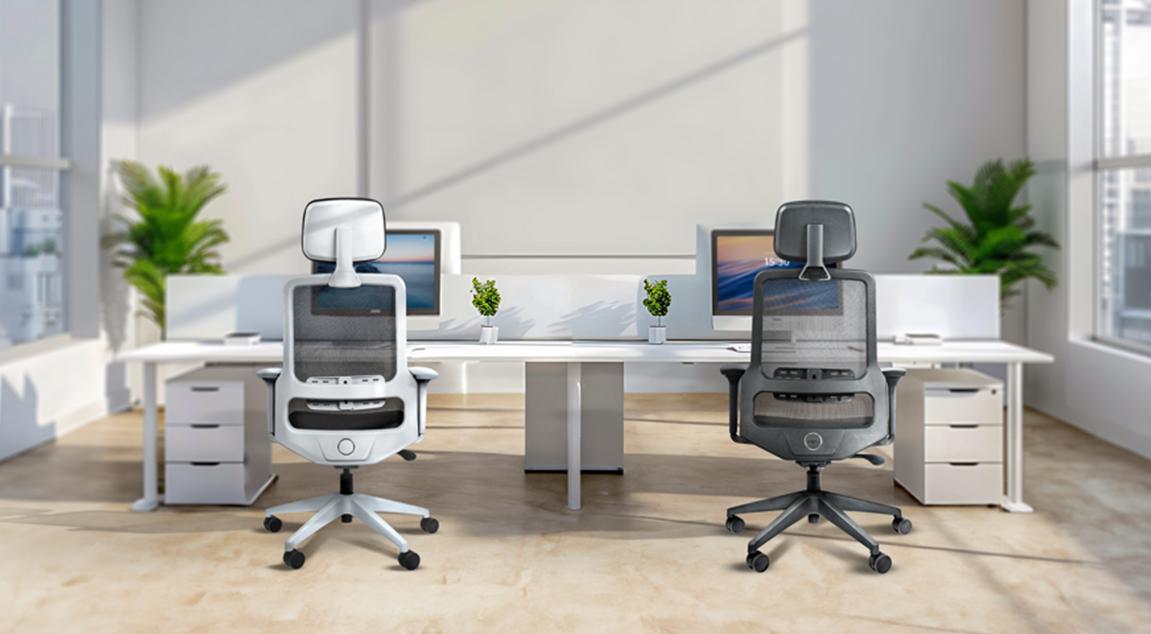
Table of Contents
|
A chair carries a user's weight through back-to-back calls, deadline sprints, and those long afternoons when focus feels harder to hold. The gaming chair vs ergonomic chair debate matters because the seating choice quietly shapes how a user's body feels at the end of each workday.
The difference between gaming chair and office chair designs runs deeper than colour schemes and aesthetics. Understanding what each chair type actually does for the posture, comfort, and energy levels helps users invest in seating that genuinely serves various needs.
Before examining specific features, it helps to understand why these chairs look and feel so different. Each type emerged from distinct goals, and those origins shape how they perform during actual use.
Gaming chairs borrow heavily from racing car seats, featuring bucket-style designs with high backrests, winged sides, and bold colour combinations. This styling creates an immersive atmosphere that feels engaging during gaming sessions.
The racing aesthetic serves emotional purposes rather than physiological ones. Those side bolsters that hug a user's shoulders look dramatic, but they can restrict natural movement during tasks that require users to shift, reach, or turn throughout a workday. When considering gaming vs office chair options, recognise that form follows different functions in each category.
Ergonomic office chairs take an entirely different approach. Every design element serves a specific purpose: S-shaped backrests mirror the spine's natural curvature, adjustable components accommodate different body types, and mesh materials allow air circulation to prevent heat build-up.
Where gaming chairs prioritise emotional feel during shorter sessions, ergonomic chairs prioritise physical function during extended work hours. This fundamental distinction explains why office chairs vs. gaming chairs perform so differently when users actually use them for focused desk work.
The lower back bears a significant load during seated work, making lumbar support one of the most critical factors in the gaming chair vs. ergonomic chair comparison. How each chair type addresses this need reveals much about their practical value.
Most gaming chairs include removable lumbar pillows to provide lower back support. While this seems convenient, these pillows rarely hold their position throughout a workday. They shift when users move, compress over time, and eventually go flat.
This means the support users felt during the first month gradually disappears. Workers might be seen constantly readjusting the pillow or eventually abandoning it altogether. Without consistent lumbar support, the lower back rounds forward, placing strain on the exact spinal segments that cause most office-related discomfort.
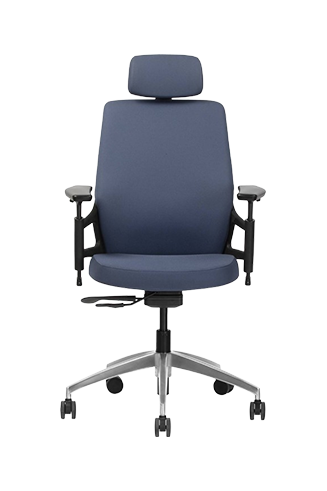
Rather than relying on a removable cushion, many ergonomic office chairs integrate lumbar support directly into the backrest. This ensures the support remains aligned with the user's lower back instead of shifting throughout the day. The Wipro Alivio follows this approach with a backrest designed to support the spine's natural curvature, while its height-adjustable lumbar support allows users of different heights to fine-tune the fit. The breathable mesh back further enhances comfort by improving airflow during long hours at the desk.
Ergonomic chairs address lumbar support through structural design rather than accessories. The backrest itself features curves that follow the spine's natural shape, providing support that remains consistent regardless of how a user moves or how long the session is.
Material choice significantly impacts your seated experience, particularly during warmer months or in spaces without consistent climate control. This practical consideration often gets overlooked when comparing gaming vs office chair options.
Gaming chairs commonly use PU leather or similar synthetic materials that create a premium appearance. However, these materials trap body heat during extended sitting, leading to discomfort that prompts constant fidgeting.
Repeated posture changes become problematic when they result from discomfort rather than natural movement. Workers who frequently shift forward, slouch to one side, or perch on the edge of the seat may spend extended periods in unsupported postures. Over time, these positions can increase static loading on the spine and contribute to muscle fatigue and discomfort in the neck, shoulders, and lower back.
Professional ergonomic chairs increasingly feature breathable mesh backs specifically to address heat management. This design choice prevents moisture build-up and allows continuous airflow against the back.
The Wipro Candid Office Chair exemplifies this phenomenon thanks to its mesh-back design. While the porous back helps heat and moisture escape, it also promotes even weight distribution. Although it leaves a small footprint on the office floor, it also has other features like height-adjustable lumbar support and 2D adjustable armrests.
|
Feature |
Gaming Chair |
Ergonomic Office Chair |
|---|---|---|
|
Typical Material |
PU leather, fabric |
Breathable mesh, engineered foam |
|
Heat Dissipation |
Limited airflow |
Designed for ventilation |
|
Cleaning |
Requires regular wiping |
Often easier maintenance |
|
Warm Climate Suitability |
May cause discomfort |
Generally performs better |
This comparison highlights a key difference between gaming chair and office chair designs that becomes apparent after several hours of continuous use.
This question gets to the heart of the gaming chair vs ergonomic chair decision for professionals working from home or considering seating options for different workspaces.
Gaming chairs can provide adequate support for certain use patterns. If the work involves frequent breaks, varied activities, and shorter seated periods, a quality gaming chair with adjustable lumbar support, armrests, and recline may suit a user's needs.
The wide recline range in gaming chairs offers flexibility that some users appreciate. Users can shift between upright positions for focused work and reclined positions for reading or calls. However, this same flexibility makes it easier to let posture slide if users lack awareness of the seated position.
Chairs like the Wipro Jedi come with removable neck and lumbar pillows which allow for customisability. It also lets users recline the chair all the way back to 180 degrees, which normal ergonomic chairs do not allow.
For professionals spending eight or more hours daily at the desk, ergonomic office chairs generally provide better long-term support. The office chairs vs gaming chairs comparison favours task-specific design when continuous desk work is involved.
An ergonomic office chair encourages upright, task-orientated sitting through the geometry. It makes sloppy postures harder to sustain, which matters when a user's attention is absorbed by work rather than monitoring the posture.
|
Worth Noting: Budget gaming chairs often prioritise aesthetics over ergonomic function, leading to inadequate lumbar support and limited adjustability. If considering a gaming chair, quality matters significantly. |
Understanding what proper seating can offer helps frame the gaming chair vs ergonomic chair decision in terms of actual wellness outcomes rather than marketing claims.
Lower back pain affects many professionals at some point, making it one of the most common workplace health complaints. The American Chiropractic Association reports that back pain causes more than 100 million lost workdays annually.
Ergonomic chairs address this by distributing body weight evenly and supporting key pressure points. Adjustable lumbar mechanisms target the L4 and L5 vertebrae, where most office-related back pain originates. Research indicates that ergonomic chairs can considerably reduce back pain and neck strain in office workers.
Comfort and productivity share a closer relationship than many realise. When the body lacks proper support, the brain works harder just to stay comfortable. Physical discomfort competes for mental resources that could otherwise go toward your actual work.
Benefits of proper ergonomic seating include:
Reduced strain on lower back, neck, and shoulders
Better blood circulation supporting sustained energy
Decreased fidgeting and posture breakdown
Improved focus through physical comfort
Lower risk of developing chronic discomfort
Making the right choice between gaming vs office chair options depends on honestly assessing a user's work patterns, physical needs, and priorities.
Consider daily seated hours. For professionals, students, or hybrid workers spending most of the day at a desk, an ergonomic office chair offers a better investment in long-term health and productivity. If the seated time involves varied activities with frequent breaks, the needs differ.
Think about climate and workspace conditions. If the workspace gets warm or lacks consistent air conditioning, breathable mesh designs provide meaningful comfort advantages over leather or synthetic materials.
Evaluate quality standards. Office chairs built to BIFMA standards undergo rigorous testing for durability, stability, and ergonomic support. These standards evaluate safety and performance over a simulated lifetime exceeding multiple years of daily use.
Remember that setup matters regardless of chair type. Following proper ergonomic guidelines, the knees should bend between 90 and 110 degrees. The spine does not distinguish between work and play when it comes to sustained-sitting effects.
The gaming chair vs ergonomic chair decision ultimately comes down to matching a user's seating to the actual use patterns. Both chair types can support decent posture when properly configured, but ergonomic office chairs offer structural advantages for sustained professional work.
The chair quietly supports every focused hour, every important call, and every deadline sprint. Wipro's ergonomic seating range offers thoughtfully designed options for professionals who want seating built around genuine comfort and long-term wellbeing.
1. Is a gaming chair or ergonomic chair better for back pain?
Ergonomic chairs typically offer better back pain prevention through built-in lumbar curves and adjustable support systems. Gaming chair pillows often shift position and compress over time, providing inconsistent lower back support during extended work hours.
2. Can I use a gaming chair for office work daily?
You can, but gaming vs office chair comparisons favour ergonomic designs for sustained desk work. Gaming chairs work better for shorter sessions with frequent breaks rather than continuous eight-hour workdays requiring focused concentration.
3. What is the main difference between gaming chair and office chair designs?
The core difference between a gaming chair and an office chair lies in purpose. Gaming chairs prioritise immersive aesthetics and flexible positioning. Ergonomic office chairs prioritise physiological support and posture maintenance during extended task-focused sitting.
4. Why do office chairs vs gaming chairs cost differently?
Office chairs vs. gaming chairs: pricing reflects different engineering priorities. Quality ergonomic chairs incorporate adjustable lumbar mechanisms, breathable materials, and BIFMA-certified durability testing designed for decade-long daily use.
5. Does the gaming chair vs ergonomic chair choice affect productivity?
Yes. Research shows physical discomfort competes for mental resources. The gaming chair vs ergonomic chair decision impacts focus, energy levels, and sustained concentration through proper postural support and comfort.
6. Are mesh-back chairs better than leather gaming chairs?
For warm climates and extended seated hours, breathable mesh prevents heat build-up that causes fidgeting and posture breakdown. Leather gaming chairs may cause discomfort during long summer workdays without adequate climate control.
Table of Contents
|