


Search Here
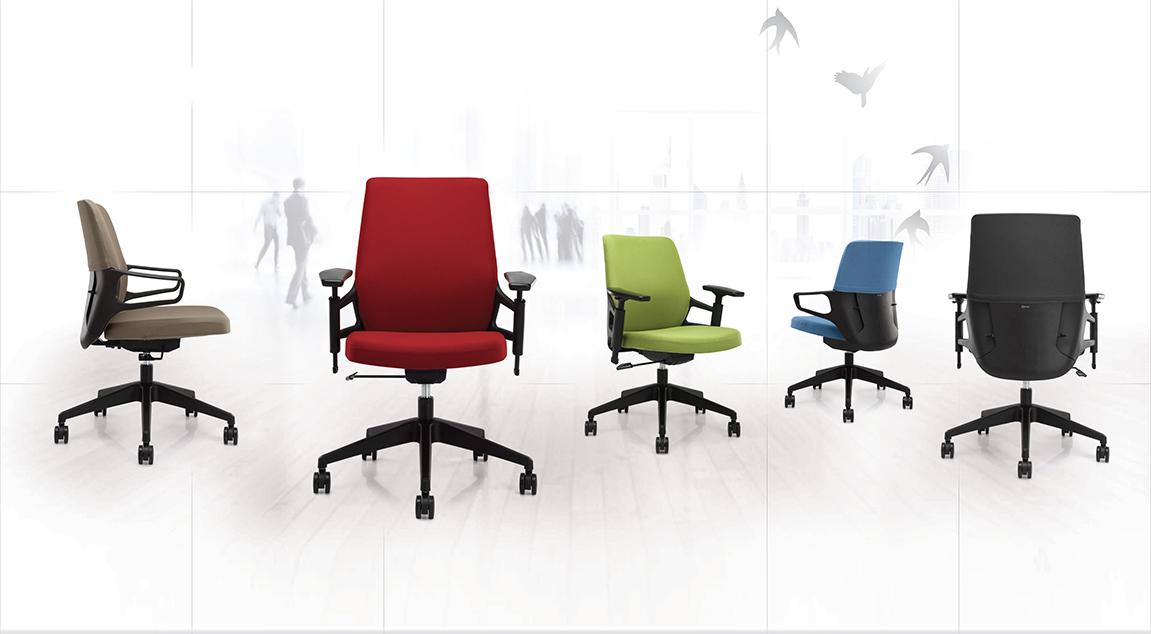
Table of Contents
|
The conference room empties after a three-hour strategy session. Staff move those same chairs to the cafeteria for a team lunch, then wheel them into a training space for an afternoon workshop. This constant movement defines modern workplace furniture requirements. Multipurpose chairs carry the weight of organisational flexibility.
Thoughtful seating selection recognises that employees interact with shared spaces differently than personal workstations. The challenge lies in finding chairs that provide genuine comfort across varying durations while withstanding the physical demands of frequent relocation and rearrangement.
The distinction between dedicated workstation seating and multipurpose chairs shapes procurement decisions across organisations. Understanding these differences helps facility managers make informed choices that serve diverse workplace needs.
A multipurpose office chair serves fundamentally different functions than the ergonomic task chair at someone's desk. Where task chairs offer extensive adjustability for eight-hour workdays, multipurpose seating prioritises ease of movement and adaptability across environments. Many feature castors for mobility and can be stacked vertically for compact storage between uses.
This stackability proves essential when spaces need rapid transformation. A training room hosting a morning workshop might become a networking venue by afternoon. Lightweight frames and nesting capabilities allow facilities teams to reconfigure seating arrangements within minutes rather than hours.
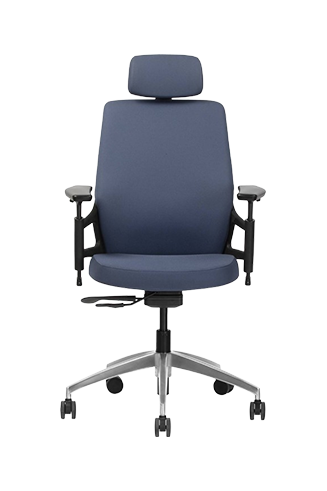
Chairs such as the Wipro Carbon embody these qualities with castors that make movement effortless and a nestable design that saves valuable storage space when not in use. Features like adjustable armrests and a flexi-back mechanism also make the chair comfortable for multiple users, making it well suited to collaborative workspaces, training rooms, and other flexible office environments.
Cafeteria visits typically last fifteen minutes to an hour, while training sessions might extend across entire workdays. This variation demands seating that provides comfort and flexibility for prolonged sitting during longer uses while remaining practical for brief breaks.
The multipurpose office chair must accommodate this spectrum without requiring users to fiddle with complex adjustment mechanisms. Research indicates that cafeteria seating should support neutral spine alignment while allowing easy movement, fitting the 5th to 95th percentile of users intuitively. People rarely customise settings in shared spaces, so built-in ergonomic support matters more than adjustment options.
Training environments present unique seating challenges that blend extended duration with the need for flexibility. The right approach balances participant comfort with practical operational requirements.
When participants feel physically comfortable, the attention stays focused on content rather than shifting position to relieve discomfort. Comfort improves attention spans, with optimised layouts considering air circulation, lighting, and mobility to reduce distractions during long sessions.
Training room multipurpose chairs typically prioritise all-day use and superior comfort, with comfortable padding and seating technology offering lumbar support. However, adjustability should remain intuitive. Trainees shouldn't need instruction manuals to achieve comfortable positioning.
|
Design Insight: The Movement Principle
Quality seating encourages natural position shifts throughout extended sessions. This movement-orientated approach prevents fatigue without requiring mechanical adjustments, keeping participants engaged and comfortable. |
Real estate costs remain significant, particularly in metropolitan areas where multipurpose spaces must maximise returns on square footage. Stackable chairs and folding tables save space and allow quick layout changes between classroom arrangements, boardroom setups, and group discussion formats.
For training environments, chairs need to be lightweight, stackable, and may feature foldable designs. This mobility allows rooms to switch between configurations as training demands evolve. A morning lecture might require theatre-style rows, while afternoon breakout sessions need clustered seating for small group work.
Chairs designed for these settings often combine space-saving features with comfort for extended sessions. The Wipro Annexe, for example, pairs a stackable design with a waterfall-edge seat that helps reduce pressure on the thighs during prolonged sitting. It can also be configured with castors for easier mobility and table arms for note-taking or laptop use, making it adaptable to different training and learning environments.
|
Training Room Need |
Seating Feature |
Why It Matters |
|---|---|---|
|
Extended sessions |
Lumbar support, cushioning |
Maintains focus and comfort |
|
Layout flexibility |
Lightweight frames, castors |
Enables quick reconfiguration |
|
Storage efficiency |
Stackable design |
Maximises space between uses |
|
Diverse body types |
Intuitive ergonomic support |
Accommodates all participants |
The office cafeteria has evolved beyond a functional dining space into a dynamic environment serving as a hub for relaxation, collaboration, and informal meetings. This expanded role demands seating that supports multiple uses throughout each workday.
Research suggests that many employees now eat lunch alone, at their desks, or skip lunch altogether, increasingly blurring the boundary between work and relaxation. Well-designed cafeteria seating creates inviting spaces encouraging employees to take genuine breaks, returning to their desks refreshed rather than fatigued.
Comfortable seating reduces physical strain and creates atmospheres where genuine relaxation becomes possible. Chairs supporting natural postures and easy movement help employees disconnect from work pressures during breaks.
Designs intended for these shared spaces often balance comfort with durability and efficient space utilisation. The Wipro Munch cafe chair, for example, combines a stackable, powder-coated frame with a backrest that incorporates integrated slots for holding bags—an understated feature that improves convenience in busy cafeteria settings while contributing to its distinctive design. This approach has also been recognised with the i-Design 2012 award.
Cafeteria seating faces unique maintenance challenges. Spills happen regularly. Chairs move constantly. Cleaning schedules demand easy-wipe surfaces. Leading manufacturers develop fabrics withstanding heavy usage without losing texture, colour, or strength, with abrasion-resistant materials ensuring longevity.
Climate considerations also influence material selection. Breathable fabrics and mesh textiles help regulate temperature, keeping users comfortable throughout the day by reducing heat buildup. This proves particularly relevant during warmer months when temperature management directly impacts comfort.
Practical material considerations for cafeteria chairs:
Stain-resistant surfaces that wipe clean easily
Breathable fabrics preventing heat buildup
Reinforced weaves withstanding daily wear
Lightweight polymers enabling easy movement
Colour-fast materials maintaining appearance over time
When selecting multipurpose chairs for high-use environments, understanding durability benchmarks helps organisations make investments that deliver long-term value rather than requiring frequent replacement.
Quality certifications provide objective measures of chair durability. ANSI/BIFMA X5.1-2017 evaluates safety and durability over a simulated lifetime of daily use for chairs supporting users up to 125kg.
A chair enduring thousands of recline cycles in laboratory testing won't need replacement after a year of heavy use. Compliant furniture offers longer service life, reducing repair and replacement costs over time. For multi-purpose office chair selections experiencing frequent stacking, unstacking, and movement, structural integrity becomes paramount.
BIFMA's ergonomic guidelines provide dimensional ranges fitting broad user populations, from the 5th percentile female to the 95th percentile male. This anthropometric coverage ensures seating works for the vast majority of employees without requiring individual adjustments.
|
Quality Indicator |
What to Look For |
Organisational Benefit |
|---|---|---|
|
BIFMA certification |
Verified durability testing |
Reduced replacement frequency |
|
Weight capacity |
Minimum 125kg rating |
Accommodates diverse users |
|
Cycle testing |
100,000+ movements tested |
Withstands high-traffic use |
|
Material quality |
Abrasion-resistant fabrics |
Lower maintenance costs |
Beyond functional requirements, multipurpose chairs contribute to the visual identity and cultural atmosphere of shared spaces. Thoughtful aesthetic choices signal organisational values to employees and visitors alike.
Today's ergonomic seating embraces modern design trends, offering wide ranges of colours, patterns, and textures that align with contemporary interior design. This design-conscious approach allows organisations to create visually cohesive environments reflecting brand identity while maintaining functional excellence.
The India office furniture market, valued at USD 4.81 billion in 2025, reflects growing recognition that workplace aesthetics influence employee experience. Most companies are redesigning offices to align with hybrid work trends and employee-centric designs. This transformation amplifies demand for furniture serving multiple functions without compromising professional appearance.
Modular furniture systems consisting of flexible components that can be rearranged without replacing entire setups have become significant trends. Startups and growing organisations particularly benefit from modular multipurpose office chair selections allowing quick layout changes for collaboration or privacy.
Selecting multipurpose chairs requires balancing immediate budget considerations against long-term value. Quality seating supporting employees across training sessions, lunch breaks, and collaborative meetings represents an investment in workplace culture and daily comfort.
Organisations benefit from working with manufacturers, understanding these multifaceted requirements. Browse Wipro's complete café and cafeteria collection to see how thoughtfully designed multi-purpose office chair options can serve shared spaces with style, comfort, and lasting durability.
1. What defines multipurpose chairs compared to regular office seating?
Multipurpose chairs prioritise flexibility, stackability, and intuitive comfort over complex adjustability. They're designed for shared spaces where multiple users need quick, comfortable seating without individual customisation, unlike task chairs engineered for single-user workstations.
2. How long should quality multipurpose chairs last in high-traffic environments?
Chairs meeting BIFMA certification standards are tested for durability exceeding multiple years of daily use. Quality multipurpose office chair selections should withstand constant movement, stacking, and varied users without structural degradation.
3. What ergonomic features matter most for training room multipurpose chairs?
Lumbar support, comfortable cushioning, and breathable materials matter most for extended sessions. The chair should support neutral spine alignment intuitively without requiring trainees to adjust complex mechanisms during workshops.
4. Are stackable multipurpose chairs comfortable enough for long meetings?
Quality stackable designs incorporate ergonomic principles, including proper seat depth, supportive backrests, and cushioning. Well-designed multipurpose office chair options provide genuine comfort for sessions lasting several hours.
5. What materials work best for cafeteria multipurpose chairs?
Stain-resistant, easy-clean surfaces suit cafeteria environments best. Breathable fabrics reduce heat buildup, while abrasion-resistant materials maintain appearance despite constant movement and cleaning.
6. How do multipurpose chairs support hybrid workplace models?
Flexible seating enables rapid space transformation between uses. Rooms serving as training venues, dining areas, and collaborative zones benefit from multipurpose chairs that stack efficiently and reconfigure quickly.