


Search Here
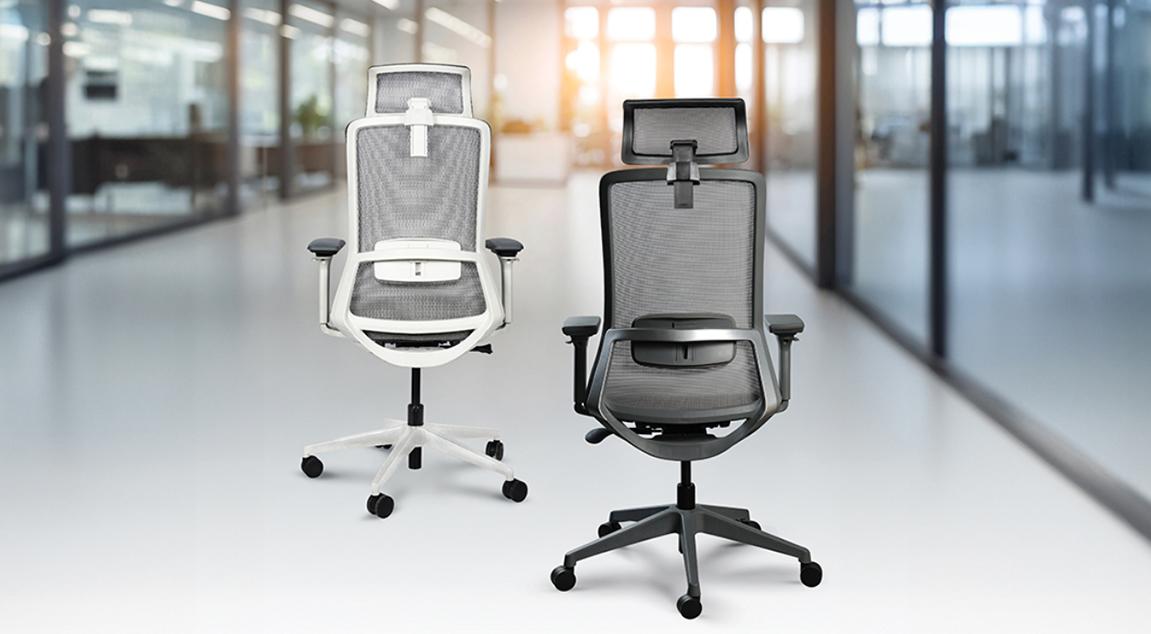
If you're reading this with a slight ache in your lower back or tension in your shoulders, you're experiencing firsthand why workplace seating deserves serious attention. Nearly 1.8 million workers report musculoskeletal disorders annually, and your office chair plays a larger role in this statistic than you might expect. What seems like a simple piece of furniture can either support your health or silently contribute to chronic pain and reduced productivity.
This guide examines the science behind ergonomic seating, explains which features actually matter for preventing injury, and provides practical criteria to help you evaluate whether your current chair supports or sabotages your wellbeing.
Most workers underestimate how profoundly their chair affects both health and work performance. What feels like minor, occasional discomfort can quietly accumulate into chronic back or neck issues, reduced focus, and lower productivity over time.
Musculoskeletal disorders are not a niche problem—they account for roughly one‑third of all work‑related illnesses in India and are strongly linked to poorly designed seating and workstations. Community data show that back and limb pain can consume around 5% of a worker’s annual income once treatment and lost wages are considered, underscoring how serious this “everyday” discomfort really is.
In India’s IT and office sectors, studies consistently report high rates of neck, shoulder, and low‑back pain among employees who sit for long hours in non‑ergonomic chairs. When you add indirect costs like reduced concentration, slower work, errors, and staff turnover—which ergonomics experts estimate can be many times higher than direct medical expenses—the price of ignoring seating ergonomics becomes impossible to overlook.
Studies indicate the percentage of office workers suffering from musculoskeletal disorders ranges from 20 to 60 per cent globally. Research from Universiti Teknologi Malaysia found specific 12-month prevalence rates among office workers: shoulder pain at 51.6%, neck pain at 48.2%, and back pain at 42.2%.
These disorders develop through the accumulation of microtraumas that overload the musculoskeletal system. Maintaining static positions for extended periods causes muscle fatigue and disrupts blood flow, while awkward postures force muscles, tendons, and joints to work harder than necessary. Without proper lumbar support and adjustability, your spine bears unnecessary strain throughout each workday.
True ergonomics means fitting the workspace to the person, not forcing bodies into predetermined positions. Understanding key standards and features helps distinguish genuinely supportive seating from marketing claims.
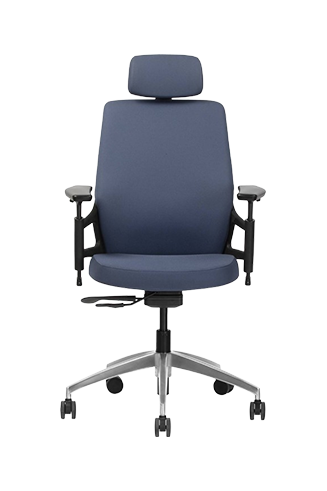
According to ergonomic guidelines, any chair with adjustable arms, adjustable lumbar, and a reclining backrest qualifies as ergonomic. However, the quality and range of these adjustments determine actual effectiveness.
Critical adjustment features include:
Seat height: Should range from 16 to 21 inches off the floor, allowing feet to be flat on the ground with thighs horizontal
Seat depth: Standard width of 17-20 inches with adjustable depth to maintain 2-4 inches between seat edge and back of knees
Backrest recline: Should move from 90° to at least 115° to support varied postures throughout the day
Lumbar support: Both height and depth adjustment to match individual spine curvature
Armrests: Height adjustment minimum, ideally with width and pivot options for different tasks
The Business and Institutional Furniture Manufacturers Association (BIFMA) has developed safety and performance standards for commercial furniture for nearly 50 years. BIFMA certification verifies chairs undergo rigorous testing, including seat durability simulations, swivel and tilt mechanism checks, and base strength evaluations.
BIFMA G1-2013 guidelines specify seat height ranges of 37.6-51.2 centimetres with minimum adjustable ranges of 11.4 cm. An appropriate torso-to-thigh angle should be maintained at at least 90°, as smaller angles increase spinal loading and thigh pressure. Look for "BIFMA Compliant" listings when evaluating chair quality.
Understanding how specific features support your body helps prioritize which adjustments matter most for your work style and physical needs.
Your lower back maintains a natural inward curve that needs consistent support during extended sitting. Without proper lumbar backing, your muscles work overtime maintaining spinal alignment, leading to fatigue and pain. Modern office chair designs offer various lumbar mechanisms—some providing height adjustment, others depth control, with premium systems combining both for precise customization.
Research demonstrates ergonomic training focusing on proper seating provided the largest reduction in musculoskeletal disorders, particularly in the neck region, with a 42.2% decrease. The key lies in positioning lumbar support to match your specific spine curvature, preventing the slouching that triggers most back problems.
Seat height forms the foundation of ergonomic positioning. When properly adjusted, your feet rest flat while your knees bend at approximately 90 degrees, distributing weight evenly and preventing pressure points. This position reduces strain on your lower back while promoting healthy circulation in your legs.
Seat depth adjustment prevents two common problems: sitting too far back leaves thighs unsupported, while sitting too shallow creates pressure behind the knees. The ideal setting maintains full thigh support while leaving 2-4 inches of clearance from the seat edge to your knee backs. In warm, humid climates, breathable mesh seats offer additional comfort by preventing heat buildup during long work sessions.
Selecting appropriate seating requires evaluating both your work requirements and physical characteristics against available features.
Consider these factors when assessing chair options:
Daily sitting duration: Those seated over 4 hours need comprehensive adjustability
Primary tasks: Data entry requires different arm positioning than design work
Body dimensions: Taller users need higher backrests and deeper seats
Existing discomfort: Current pain points indicate which features to prioritize
Environmental factors: Climate affects material choices between mesh and cushioned options
The investment in proper ergonomic seating typically yields 2:1 to 10:1 benefit-to-cost ratios through reduced injuries and increased productivity. Offices implementing comprehensive ergonomic programmes, including quality seating, report up to a 75% reduction in injury rates. Wipro's seating solutions offer chairs meeting BIFMA standards across various price points.
Proper workplace seating isn't about luxury—it's about protecting your long-term health while maintaining daily productivity. Focus on chairs offering comprehensive adjustability in seat height, lumbar support, and armrest positioning. Verify BIFMA compliance for quality assurance, and prioritize features addressing your specific work patterns and body type. Remember that investing in an ergonomic office chair today prevents costly health issues and lost productivity tomorrow, making it one of the most important decisions for your workspace wellbeing.