


Search Here
Table of Contents
|
An office chair cradles workers through deadline sprints, video calls that stretch past lunch, and those afternoons when focus demands stillness. It witnesses an employee's best work and provides support through challenging days, yet this daily companion might be quietly contributing to the back problems that have a lasting impact.
The relationship between how one sits and how one feels runs deeper than most realise. Small seating problems compound over months and years, transforming temporary discomfort into chronic pain that affects quality of life as a whole.
Modern workplaces demand long hours of focused attention, yet the chairs supporting
This productivity often fails to support the people using them. The financial and personal toll extends far beyond momentary discomfort.
Research reveals that 64% of IT workers report experiencing back problems and stiffness. Among various occupational groups, the prevalence of lower office back pain reaches 0.60, making it one of the most common workplace health issues. These numbers represent real people dealing with daily discomfort that impacts work performance and personal lives.
The business implications prove equally significant. Companies with poor ergonomics experience 2.8 times higher absenteeism due to musculoskeletal issues. Meanwhile, wellness-focused organisations achieve up to 2.5-6 times ROI on ergonomic investments through reduced sick days and increased engagement.
The human body wasn't designed for eight-hour stretches in poorly configured chairs. Understanding the physiological impact helps explain why minor seating problems evolve into major health concerns.
Poor sitting posture increases pressure on the spinal discs, those gel-like cushions between vertebrae that enable flexibility and movement. When chairs lack adequate support, these discs endure continuous compression, leading to degeneration over time.
Long stretches of sitting strain these intervertebral discs, eventually causing pain and flexibility problems. The constant pressure prevents proper nutrient flow to disc tissues, accelerating wear and creating conditions for herniation or chronic inflammation.
The mid-back area suffers unique challenges when chairs fail to encourage proper alignment. Sitting in chairs that position workers too low or lack adequate support forces the thoracic spine into unnatural positions, creating persistent aching between shoulder blades.
This poor positioning causes joints to become stiff and restricted. One might notice turning becomes uncomfortable or muscle spasms developing in the upper back region. The rounded posture also compresses the chest cavity, restricting deep breathing and reducing oxygen flow that keeps an employee alert and focused.
Several specific mistakes transform ordinary office chairs into sources of chronic discomfort. Recognising these errors empowers companies to make corrections before temporary strain becomes permanent damage.
The human lower back naturally curves inward, yet countless professionals ignore this fundamental anatomy. Without proper lumbar support, the spine slumps forward as fatigue sets in, placing extra stress on spinal structures and lumbar discs.
Non-ergonomic chairs force the spine into unnatural curves. The buttocks should press against the chair back with cushioning that maintains the slight arch of the lower back. This support minimises strain throughout a workday, preventing the gradual deterioration that leads to chronic back problems.
Even chairs with excellent lumbar support fail when positioned at the wrong height. This overlooked problem creates a cascade of misalignment affecting the legs, hips, and spine.
The ideal setup keeps the feet flat on the ground with thighs parallel to the floor and knees at right angles. When the seat sits too high, it presses against the thighs, reducing blood flow. Too low, and the hips tilt backward, flattening the spine. Both scenarios increase lumbar pressure and accelerate the development of office back pain.
|
Seat Height Issue |
Physical Impact |
Long-term Consequence |
|---|---|---|
|
Too High |
Compressed thighs, dangling feet |
Poor circulation, leg numbness |
|
Too Low |
Hip misalignment, spine flattening |
Lower back strain, disc pressure |
|
Just Right |
Natural alignment, even weight distribution |
Reduced pain, better posture |
Slouching and leaning forward represent one of the most damaging seated positions. This common error strains the lower back, shoulders, and neck, creating tension throughout the body.
When employees slouch, the pelvis tilts backwards and puts the spine into a C-curve position. This compresses spinal discs unevenly, creating perfect conditions for developing chronic seating problems. The solution involves raising the seat so the hips are positioned higher than the knees, creating a forward slope on the thighs that naturally encourages better posture.
The human body craves movement, yet modern work culture often demands hours of motionless focus. Extended periods of immobility place continuous pressure on spinal discs and joints, with office workers seated more than six hours daily reporting double the incidence of lower back problems.
No matter how well a workspace is configured, sitting in the same position for hours damages the body. Inactivity diminishes circulation, leading to muscle stiffness and joint degeneration. The modern stretched-out hunch common among laptop users—exemplifies how the bodies of workers contort when fatigue sets in, increasing risks of back, arm, and shoulder injuries.
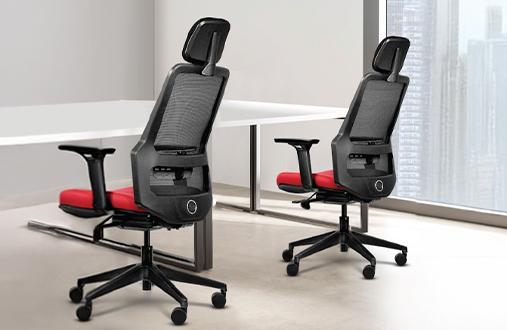
This is where ergonomic design plays a meaningful role. Chairs that incorporate dynamic lumbar systems — such as the body-tracking lumbar support featured in Wipro’s Always Glo Chair — help maintain consistent lower-back contact as posture shifts throughout the day. Adjustable backrests and armrests further enable users to adapt their seating position rather than remain locked in one static alignment. By supporting movement instead of restricting it, well-designed seating solutions can reduce accumulated strain and help sustain comfort and energy across long work hours.
The body sends clear signals when seating habits create problems. Learning to recognise these warnings helps intervene before temporary discomfort becomes chronic pain.
The early indicators of seating problems often seem minor—a slight ache after long meetings, stiffness when standing, or tension between the shoulder blades. These symptoms deserve attention, not dismissal.
Watch for these warning signs:• Persistent lower backache that worsens throughout the day
• Neck stiffness accompanied by headaches
• Numbness or tingling in legs from poor circulation
• Sharp pain when transitioning from sitting to standing
• Shoulder tension that spreads to your arms
Bank employees surveyed showed that 66% reported both neck and back problems, highlighting how widespread these issues have become across different workplace settings.
Ignoring early warning signs allows minor discomfort to evolve into life-altering conditions. Chronic office back pain affects more than just one workday—it influences sleep quality, recreational activities, and overall life satisfaction.
Studies among IT professionals reveal that 59.49% report lower back pain, with the prevalence of upper body pain reaching 38.2% annually. These statistics represent careers limited by pain, relationships strained by constant discomfort, and dreams deferred because simple movements cause agony.
|
Wellness Insight: The Compound Effect
Each day of poor seating adds microscopic damage to the spine. Like interest on a loan, this damage compounds over months and years. Early intervention through proper ergonomics prevents this accumulation, preserving long-term health and career potential. |
Transforming seating habits doesn't require dramatic overhauls. Small, thoughtful adjustments create substantial improvements in comfort and spinal health.
Proper posture starts with understanding neutral spine alignment. Position armrests so the arms rest gently with elbows close to the body and shoulders relaxed. This prevents the shoulder muscle fatigue that occurs when arms remain outstretched for long periods.
Adjust the seat so feet rest flat on the floor first, then raise the desk height until forearms align with the keyboard. This two-step process ensures both the lower and upper body maintain proper alignment. Consider using a footrest if the desk height requires a higher seat position.
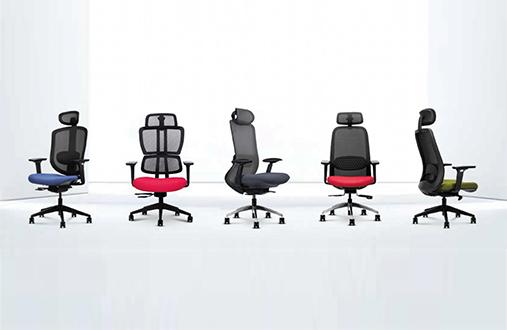
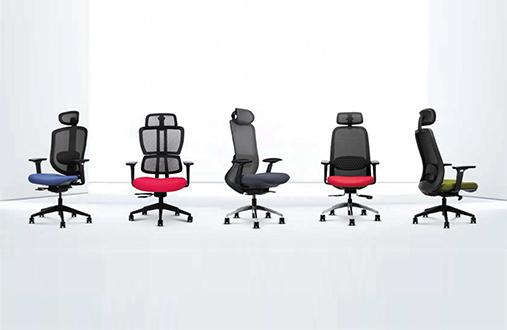
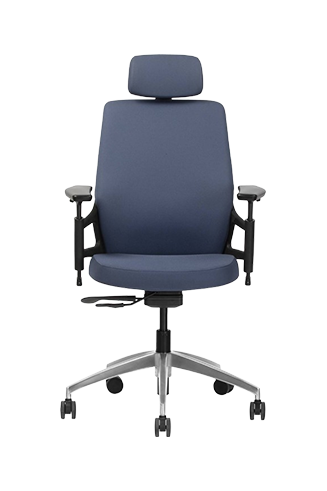
Modern ergonomic solutions like Wipro's Adapt Chair incorporate a very important feature, the Automatic Weight Sensing Mechanism, which makes them very multi-user-friendly. It adjusts to all body types. The Aeroflo technology also helps it keep heat at bay while evenly distributing weight.
Breaking the static positioning cycle requires intentional movement throughout the day. Short, regular breaks prove more beneficial than fewer long ones, preventing muscle stiffness and maintaining circulation.
Implement these movement strategies:• Stand and stretch every 30 minutes, even briefly.
• Alternate between sitting upright and controlled reclining
• Use phone calls as opportunities to stand and move.
• Practise desk-based stretches for neck and shoulders.
• Take walking meetings when possible
The backrest should recline from 95° to at least 115°, allowing for positional changes throughout the day. This variation prevents any single muscle group from bearing continuous strain, reducing overall fatigue and discomfort.
An office chair remains an employee's most constant workplace companion, providing support through productive mornings and challenging afternoons alike. Addressing seating problems today prevents tomorrow's chronic pain, allowing for focused work that matters rather than managing discomfort.
The journey from pain to comfort begins with awareness and small adjustments. Whether improving the current setup or investing in ergonomic solutions, prioritise seating that supports the body's natural alignment. Explore Wipro's comprehensive seating range designed to prevent back problems while enhancing daily comfort and productivity.
Ergonomic chairs provide adjustable lumbar support that maintains the spine's natural curve, reducing pressure on discs and preventing muscle fatigue throughout extended sitting periods.
Adjustable seat height, lumbar support, armrest positioning, and recline function prove most critical. These features allow personalised adjustments that maintain proper spinal alignment.
Reassessing the chair settings monthly or whenever discomfort is experienced is the most advisable. The posture changes throughout the day, so minor adjustments help maintain optimal positioning.
Yes, prolonged poor seating can lead to disc degeneration, chronic muscle imbalances, and lasting postural problems that affect quality of life beyond work.
Keep feet flat on the floor, knees at 90 degrees, lower back supported, shoulders relaxed, and screen at eye level to maintain neutral spine alignment.