


Search Here
Table of Contents
|
An employee settles into an office chair at 9 AM, ready for back-to-back meetings and deadline-driven tasks. By noon, the lower back whispers complaints. The shoulders tense. That familiar end-of-day fatigue creeps in earlier each week. Sound familiar? A chair silently shapes every moment of every workday.
The difference between struggling through discomfort and working with ease often comes down to one overlooked workspace element: seating. Understanding how chairs support (or strain) the body helps users create a healthier, more productive work environment.
The relationship with an office chair spans thousands of hours each year. Whether navigating video calls from home, collaborating in modern co-working spaces, or managing teams in corporate settings, the chair becomes a worker's most constant workplace companion.
Think about a typical Tuesday. Users lean forward during intense focus work, recline during brainstorming calls, and shift positions while reading reports. Each movement either works with the body's natural mechanics or against them. When comparing ergonomic chair vs normal chair options, the fundamental difference lies in how they respond to these natural work patterns.
Studies indicate that ergonomic seating can improve comfort and reduce musculoskeletal discomfort, though outcomes depend heavily on proper adjustment and movement habits. This isn't just about comfort – it's about chairs designed to support dynamic movement rather than forcing static positions. Traditional chairs often lock users into fixed postures, while ergonomic designs encourage the subtle shifts and adjustments the body craves throughout the day.
Poor seating creates ripple effects beyond physical discomfort. When a chair fails to support proper posture, concentration wavers. Energy dips faster. Those quick stretching breaks become longer interruptions. The afternoon productivity slump hits harder when employees are fighting discomfort alongside fatigue.
Studies indicate that a majority of office workers report discomfort due to improper chairs, directly impacting their output. Consider the cumulative effect: reduced focus, more sick days, increased healthcare visits. What seems like saving money on basic seating often costs more through decreased performance and wellbeing challenges.
Moving beyond surface-level comfort, ergonomic design represents a fundamental shift in how people think about workplace seating. The distinction between normal chair vs ergonomic chair options extends far beyond adjustable heights and cushioned seats.
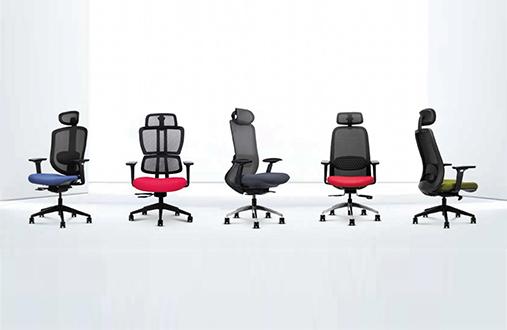
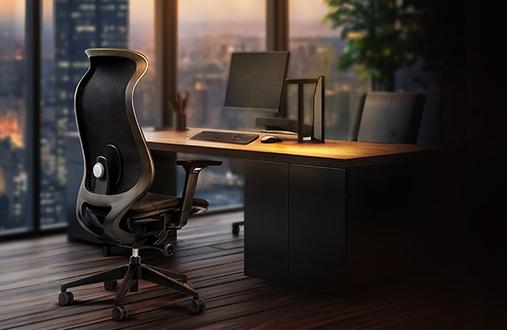
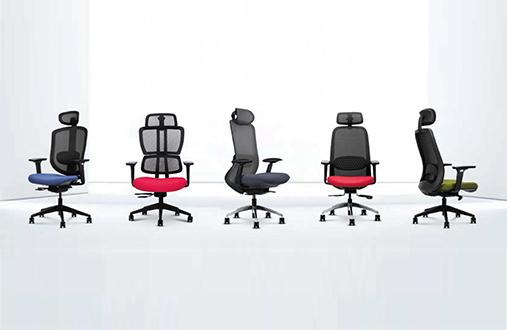
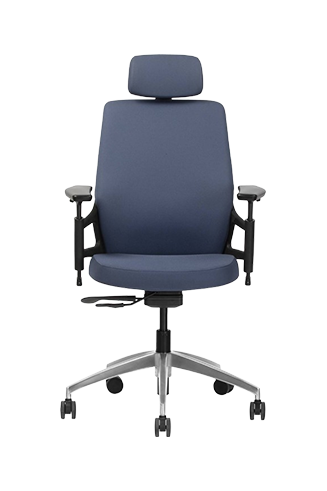
Ergonomic chairs emerge from a deep understanding of human biomechanics. They're engineered around how the spine naturally curves, how weight distributes when seated, and how movement patterns change throughout a workday. This scientific approach creates seating that works with your body rather than forcing adaptation. Chairs like the Wipro Aerosit exemplify this phenomenon thanks to the automatic weight-sensing mechanism which easily adapts to all the movements.
Research indicates that chairs preventing abnormal neuromuscular strain significantly reduce musculoskeletal pain frequency and intensity. The design philosophy prioritises adaptive support – features that adjust to unique proportions and preferred working positions. Unlike traditional chairs offering one-size-fits-all solutions, ergonomic options recognise that comfort requires personalisation.
The magic happens through thoughtful adjustability. Proper seat height ensures that the feet rest flat with thighs parallel to the floor. Adjustable lumbar support maintains the spine's natural S-curve. Armrests positioned correctly prevent shoulder hiking and neck tension.
Key Ergonomic Features and Their Benefits:
|
Feature |
Direct Benefit |
Long-term Impact |
|---|---|---|
|
Seat Height |
Proper leg positioning |
Reduced hip strain |
|
Lumbar Support |
Spine alignment |
Lower back health |
|
Armrests |
Shoulder relief |
Prevents neck pain |
|
Seat Depth |
Thigh support |
Better circulation |
|
Backrest Tilt |
Movement variety |
Reduced stiffness |
These adjustments work together, creating personalised support that evolves with a worker's needs throughout the day.
Understanding the tangible differences between traditional and ergonomic seating helps clarify why initial price disparities exist – and why they matter less than long-term value.
Durability standards reveal striking contrasts. Professional-grade ergonomic chairs utilise reinforced frames which are tested through many usage cycles. Traditional options typically feature plastic composites handling much less.
This construction difference affects daily experience and longevity. Multi-density foam in quality ergonomic seats maintains most of its thickness for multiple years, while single-density traditional padding compresses to almost half in less than two years. For organisations managing multiple workstations or professionals investing in home offices, these durability factors significantly impact replacement costs and user satisfaction.
Material selection shapes both immediate comfort and sustained performance, particularly in varying climate conditions. Breathable mesh backs excel during warmer months and in spaces with variable air conditioning. Premium fabric upholstery balances professional aesthetics with practical durability.
Material Comparison for Extended Use:
• Mesh Backing: Superior airflow, reduced heat buildup, easy maintenance
• Memory Foam Cushions: Personalised support, pressure distribution, lasting comfort
• Breathable Fabrics: Professional appearance, temperature regulation, stain resistance
• Synthetic Leather: Easy cleaning, sophisticated look, climate versatility
Quality materials also influence hygiene factors – increasingly important in shared workspaces and hot-desking environments. Advanced fabrics resist bacterial growth and simplify cleaning protocols without compromising comfort.
The health implications of seating choices extend beyond avoiding discomfort. Understanding the ergonomic chair vs normal chair health impact helps prioritise workplace wellness investments.
Ergonomic seating takes a preventive approach to musculoskeletal health. Rather than managing pain after it develops, quality chairs reduce pressure points significantly compared to traditional options. This proactive support helps maintain natural spinal alignment throughout the workday.
Traditional chairs often lack proper lumbar support, forcing the spine into unnatural positions. Over months and years, this misalignment contributes to chronic discomfort, reduced mobility, and decreased quality of life. Ergonomic solutions address these risks through features like dynamic lumbar support that moves with the body, reducing static strain on any single muscle group.
Chairs like the Wipro Always Glo personify this brilliantly, thanks to features like body-tracking lumbar support. It enables the chair to become one with the user and support all the micro adjustments throughout the workday.
|
Wellness Insight Even the best ergonomic chair benefits from movement. Every 30 minutes, take 30 seconds to stand, stretch, or walk. The chair should support this rhythm, making transitions smooth and maintaining comfort when the user returns. |
Comfort directly influences cognitive performance. When physical strain disappears into the background, mental energy focuses on tasks rather than discomfort management. Studies reveal significant productivity increases in businesses investing in ergonomic furniture.
This productivity boost stems from multiple factors: reduced fidgeting and position-shifting, sustained energy levels throughout the day, and improved mood from physical comfort. Research shows a majority of participants report enhanced workplace performance using ergonomic chairs. The compound effect over weeks and months creates substantial output differences.
Armed with understanding about normal chair vs ergonomic chair differences, users can make informed decisions aligned with specific needs and constraints.
Different work patterns benefit from different ergonomic priorities. Consider a typical day when evaluating features:
For Focused Desk Work (6+ hours daily):
Exceptional lumbar support with micro-adjustments
Synchronised tilt mechanisms for position variety
Premium cushioning that maintains support
Adjustable seat depth for proper thigh support
For Collaborative Environments:
360-degree swivel functionality
Height adjustability for varying desk configurations
Durable materials handling multiple users
Easy-clean surfaces for hygiene
For Hybrid Home-Office Setups:
Compact footprint without sacrificing support
Aesthetic appeal complementing home interiors
Quiet mechanisms for video calls
While traditional chairs offer lower upfront costs, ergonomic options deliver superior long-term ROI through enhanced performance and reduced healthcare expenses. Consider total ownership costs: quality ergonomic chairs often last for many years versus basic options.
Factor in productivity gains, reduced absenteeism, and avoided medical costs. One avoided physiotherapy series or sustained productivity improvement quickly offsets initial price differences.
The ergonomic chair vs normal chair decision shapes thousands of work hours ahead. Quality seating becomes an investment in daily comfort, long-term health, and professional performance. Remember that the best chair adapts to its user – supporting natural movement, maintaining alignment, and evolving with specific needs.
Take time to assess the current seating situation. Notice discomfort patterns. Consider how better support might enhance the workday experience. Explore Wipro's comprehensive ergonomic seating range to discover solutions designed around real workplace needs and wellness priorities.
1. What's the main difference between an ergonomic chair vs a normal chair?
Ergonomic chairs feature multiple adjustment points and biomechanical designs supporting natural posture. Traditional chairs offer basic functionality without personalised support, often causing strain during extended use.
2. How long should a quality office chair last?
Professional-grade ergonomic chairs typically last 7-15 years with proper care. Traditional chairs average 2-3 years before cushioning degrades and support mechanisms fail.
3. Do ergonomic chairs really improve productivity?
Yes, studies show significant productivity increases with ergonomic seating. Reduced discomfort allows better focus, sustained energy, and fewer work interruptions for stretching or position adjustments.
4. Which features matter most in a normal chair vs ergonomic chair comparison?
Adjustable lumbar support, seat depth customisation, and armrest positioning create the biggest comfort differences. These features adapt to individual body proportions and work styles effectively.
5. How do I know if my current chair needs upgrading?
Signs include daily discomfort, inability to maintain good posture, cushioning compression, and wobbling mechanisms. If users are constantly adjusting positions or experiencing fatigue, consider ergonomic alternatives.
6. Are expensive ergonomic chairs worth the investment for home offices?
For regular home working, quality ergonomic seating proves valuable through health benefits and productivity gains. Consider usage hours when evaluating investment levels.