


Search Here
|
Table of Contents
|
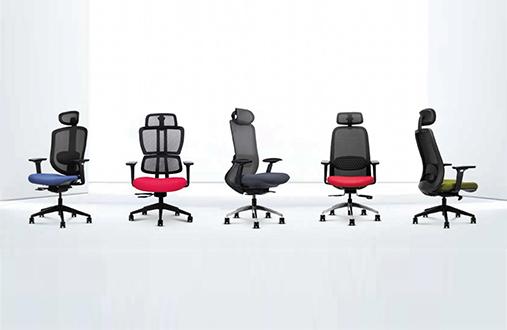
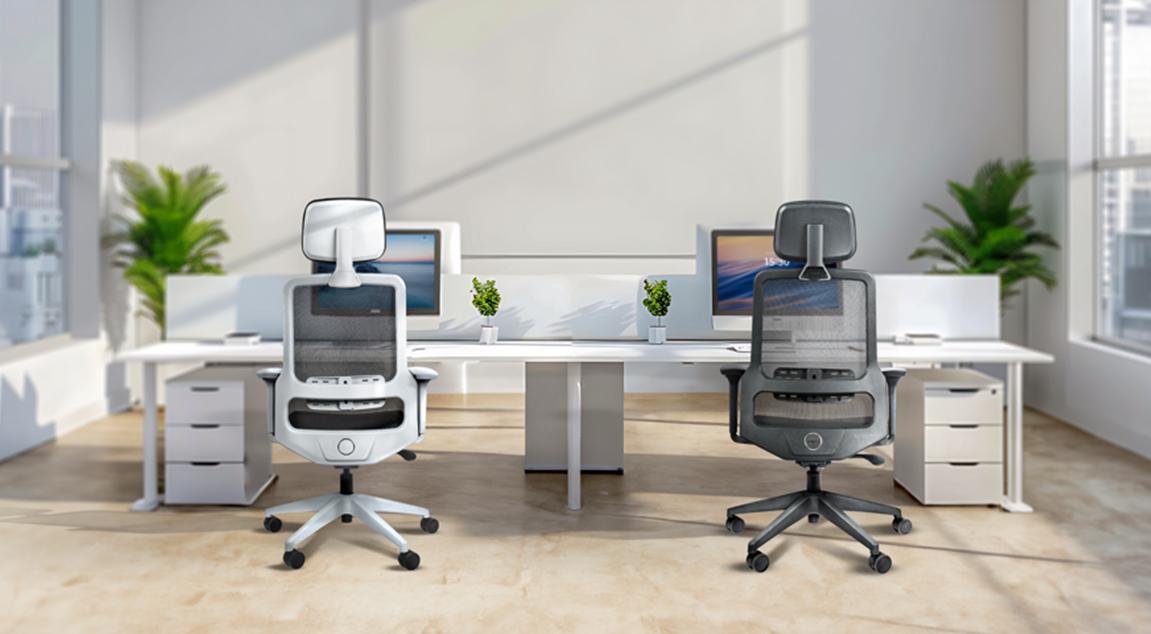
A well-designed adjustable chair does more than move up and down. It should accommodate different body types, desk heights, and working styles while encouraging healthy posture and natural movement throughout the day. Features such as seat depth adjustment, lumbar support, armrest positioning, and tilt mechanisms all work together with height adjustment to create a balanced seating experience that adapts to the user rather than forcing the body into a fixed position.
Yet finding the right chair feels overwhelming when faced with endless options and technical specifications. This guide simplifies the selection process, focusing on what actually matters for daily comfort and long-term wellbeing.
The foundation of workplace comfort starts with proper height adjustment. Without this basic alignment, even premium chairs fail to support the body effectively.
The chair height affects everything from typing comfort to screen viewing angles. When set correctly, the elbows align naturally with the desk surface, reducing shoulder tension during long typing sessions. Research shows that 76% of computer professionals experience neck, back, shoulder, and wrist pain—much of which stems from poor height adjustment.
Consider how often users shift positions throughout the day. Morning energy gives way to afternoon fatigue. Conference calls require different postures than focused coding or writing. A quality desk chair with adjustable height adapts to these natural rhythms, supporting users through each transition.
Micro-fatigue accumulates silently when the chair height forces awkward postures. The brain diverts cognitive energy toward constant postural corrections instead of productive work. Over a year, this translates to over two weeks of lost productive capacity per employee.
The impact extends beyond individual discomfort. Teams working from poorly adjusted chairs experience higher absenteeism, reduced creativity, and increased healthcare costs. Forward-thinking organisations now view ergonomic seating as a preventative healthcare investment rather than simple furniture procurement.
Height adjustment works best when understood as part of an integrated comfort system. Each adjustment builds upon proper height as the foundation.
Ergonomic experts agree that height adjustment creates the baseline for all other chair settings. The feet should rest flat on the floor with knees at approximately 90-degree angles. From this foundation, users can properly adjust lumbar support, armrests, and tilt mechanisms.
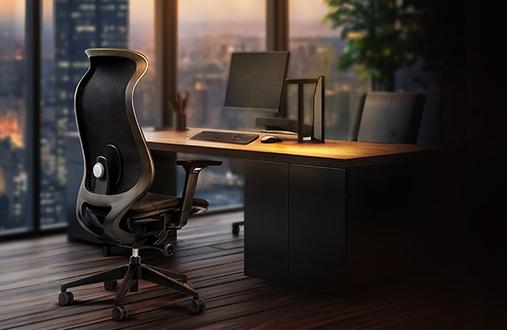
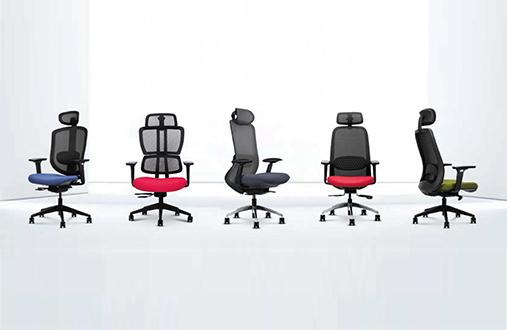
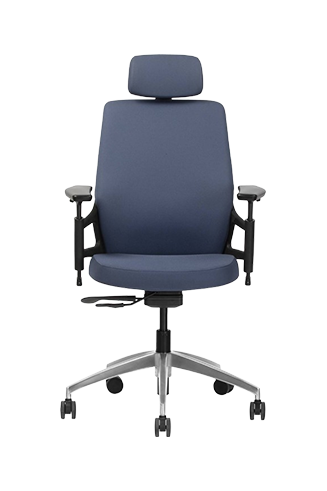
The optimal seat height equals roughly one quarter of the body height, though individual proportions vary. What matters more is achieving natural alignment where the thighs are parallel to the floor and the lower legs form comfortable right angles. Because seating needs differ between users and even across different tasks during the day, chairs that combine height adjustment with adaptable ergonomic features tend to provide more consistent long-term comfort. For example, designs such as the Wipro Absolute incorporate elements like a contoured backrest, 4D adjustable armrests, and automatic weight-sensing mechanisms that help the chair adapt more naturally to different users and seating preferences.
Modern ergonomic thinking emphasises movement over static positioning. Research confirms that frequent microbreaks improve comfort levels, work performance, and reduce musculoskeletal injury risks.
The concept of "active sitting" encourages small movements that reduce upper body pain. The desk chair with adjustable height should facilitate these micro-movements seamlessly. Quality adjustment mechanisms allow quick height changes when switching between tasks—rising slightly for phone calls and lowering for detailed screen work.
|
Movement Philosophy: The 20-8-2 Rule Ergonomic research from Cornell University suggests sitting for 20 minutes, standing for 8 minutes, then moving for 2 minutes. A chair's smooth height adjustment supports these transitions without disrupting workflow. |
Selecting appropriate height ranges ensures that a chair accommodates both the body dimensions and workspace configuration.
Start the measurement process by sitting with the feet flat on the floor. The knees should form comfortable right angles without pressure on the thigh undersides. If the feet don't reach the floor comfortably, users will need either a lower height setting or a footrest.
Practical measurement tips for finding your ideal height:
• Measure from the floor to the back of the knees while standing.
• Subtract 2-3 inches from this measurement for the starting seat height.
• Fine-tune based on the desk height and monitor position
• Test different heights throughout a full workday before finalising
While height adjustment forms the foundation, comprehensive comfort requires multiple adjustable settings working in harmony.
A well-designed chair offers customisation for lumbar support, armrest height, and seat pan depth alongside height adjustment. Each element serves specific comfort needs:
Essential Adjustments That Complement Height Settings:
• Lumbar support: Maintains the spine's natural S-curve
• Armrest height: Reduces shoulder and neck tension
• Seat depth: Ensures proper thigh support without knee pressure
• Backrest recline: Encourages position changes throughout the day
• Tilt tension: Matches resistance to the body weight
The Wipro Aerosit integrates these adjustments thoughtfully, ensuring each mechanism works smoothly with others to create personalised support throughout the workday.
Quality ergonomic design recognises that comfort emerges from how adjustments work together. The chair height sets the foundation, lumbar support maintains spinal alignment, and armrests prevent shoulder elevation. When properly coordinated, these features reduce strain across the body.
The adjustment sequence matters. Ergonomic experts recommend starting with height, then depth, followed by lumbar support, armrests, and finally tilt tension. This order locks in proper posture before fine-tuning movement preferences.
The desk chair with adjustable height investment shapes years of daily comfort and productivity. Understanding long-term value helps users make choices supporting sustained wellbeing.
In today's dat and age workplaces compete with home comfort levels. Employees who experienced control over their home environments expect similar comfort at the office. Research indicates remote workers showed 13% higher productivity, partly due to personalised comfort settings.
Climate considerations matter in warm regions. Breathable materials and moisture-wicking fabrics become essential during extended sitting periods. Summer months demand chairs that support comfort without trapping heat.
Climate considerations also play an important role, particularly in warmer regions where extended sitting can quickly become uncomfortable. Breathable materials and airflow-focused seat designs help reduce heat buildup and improve comfort during long work sessions. Many modern ergonomic chairs, including models such as the Wipro It's Me, incorporate mesh backs and ventilated seating surfaces that promote airflow while also supporting more even weight distribution and posture alignment over prolonged periods of use.
Consider total cost of ownership beyond initial price. Chairs requiring replacement every three years while contributing to employee discomfort cost more than quality seating maintaining ergonomic profiles for a decade. Forward-thinking organisations view ergonomic seating as a preventive healthcare investment.
Choosing the right desk chair with adjustable height transforms daily work experiences from endurance tests into supported productivity. Remember that height adjustment forms the ergonomic foundation—get this right first, then build comprehensive comfort through coordinated adjustments.
The body deserves thoughtful support through every workday challenge. Quality seating quietly prevents strain while encouraging the natural movement the body craves. Explore Wipro's ergonomic office chairs designed with user comfort, health, and sustained productivity at their core.
1. What's the ideal height for a desk chair with adjustable height?
The ideal height allows your feet to be flat on the floor with knees at 90-degree angles. This typically means seat height equals one quarter of your body height.
2. How often should I adjust my chair height during the workday?
Adjust height whenever switching between major tasks. Standing for calls, lowering for detailed work, and minor shifts every hour prevent static positioning and reduce fatigue through dynamic sitting.
3. Can a footrest replace proper height adjustment?
Footrests supplement height adjustment when desks sit too high or users are shorter. However, they shouldn't replace chairs with inadequate height ranges. Ensure primary support comes from proper chair adjustment.
4. What are the key adjustable settings to look for besides height?
Essential adjustments include lumbar support, armrest height/width, seat depth, backrest recline, and tilt tension. Each works with height adjustment to create comprehensive, personalised support throughout your workday.
5. Why does my desk chair with adjustable height lose height over time?
Height loss indicates gas cylinder wear, typically after 3-5 years of heavy use. Quality chairs offer replaceable cylinders. Regular maintenance and avoiding exceeding weight limits extends cylinder life significantly.
6. Should different tasks require different chair heights?
Yes, optimal heights vary by task. Keyboard work benefits from lower positions keeping elbows at 90 degrees. Reading or phone calls work better slightly higher. Dynamic adjustment prevents static strain.