


Search Here

Table of Contents
|
Beyond the boardroom table, these chairs support countless moments of leadership and collaboration. But what is an executive chair? It is a seating solution designed to reflect the gravity of decisions made within it while ensuring you remain comfortable through strategic discussions and planning sessions.
Additionally, executive chairs have evolved to meet the changing demands of contemporary workspaces. Modern professionals spend long hours at their desks, making ergonomic support just as important as visual appeal. Adjustable features, lumbar support, and premium cushioning now work alongside refined aesthetics to create seating that enhances productivity without compromising on style. Whether placed in a private cabin, conference room, or home office, an executive chair contributes to a workspace that feels polished, efficient, and thoughtfully designed.
Executive chairs represent a unique category in office seating, one that balances visual impact with functional support. These pieces trace their heritage to classic furniture design, where craftsmanship and authority merged seamlessly.
The core purpose of "What is an executive chair?" functionality extends beyond simple seating. These chairs serve as visual statements of professional standing while providing necessary support for management-level work. Their high-back designs frame a leader's presence during video conferences, while plush cushioning ensures comfort through extended meetings.
Executive chairs traditionally feature genuine leather or premium PU materials, chosen for their sophisticated appearance and durability. Wood veneers and polished metal accents often complement these materials, creating furniture pieces that elevate office aesthetics. The focus remains on projecting competence and creating environments conducive to high-level discussions.
Modern workplaces have transformed how we view executive seating. What once served purely as status indicators now fulfil practical roles in supporting varied work patterns. Today's professionals split time between focused tasks, collaborative sessions, and virtual meetings—requiring seating that adapts to these shifting demands.
The traditional executive chair has evolved to meet contemporary needs. While maintaining its distinctive aesthetic appeal, newer models now incorporate ergonomic features that support long hours of work without compromising on professional style. Features such as curved backrests for better spinal alignment and 5-position tilt locking mechanisms for posture adjustment have become increasingly common in contemporary executive seating. Chairs like the Wipro Amplify reflect this shift towards designs that balance executive aesthetics with adaptable comfort for different work situations throughout the day.
Understanding what the best executive office chair for a worker's needs is starts with recognising the defining features that separate executive seating from standard office furniture.
Executive chairs prioritise premium materials that age gracefully while maintaining their professional appearance. Genuine Napa leather remains a popular choice, offering both luxury and longevity. For budget-conscious buyers, high-quality PU leather provides similar aesthetics with easier maintenance requirements.
The design philosophy emphasises clean lines and elegant proportions. High backrests typically extend above shoulder height, creating an imposing silhouette that commands attention in meeting rooms. Generous cushioning throughout the seat and backrest ensures immediate comfort, though this often comes with limited adjustability compared to task chairs.
The balance between comfort and aesthetics defines what a manager's chair is in executive settings. These chairs excel during shorter work sessions and client meetings and when the day involves movement between different spaces. The plush cushioning provides immediate comfort without requiring extensive adjustment.
At the same time, modern executive seating has begun bridging the gap between visual appeal and functional support. Features such as knee tilt mechanisms for smoother reclining movement, specialised gas lifts for effortless height adjustment, and premium upholstery materials that enhance both durability and comfort are becoming more common in contemporary designs. Chairs like the Wipro Dynasty reflect this approach by combining executive styling with comfort-focused elements suited for everyday professional use.
The distinction between executive and ergonomic seating goes deeper than appearance. Understanding these differences helps users make informed choices based on the actual work patterns and wellness needs.
Research indicates that seating designed for extended use requires different features than chairs intended for shorter sessions. Executive chairs deliver necessary support for periods up to a certain point, making them suitable for professionals who balance desk work with meetings, site visits, and collaborative sessions.
|
Work Pattern |
Executive Chair Suitability |
Recommended Features |
|---|---|---|
|
Mixed meetings and desk work |
Excellent |
Tilt function, quality cushioning |
|
6-10 hour continuous sitting |
Limited |
Consider hybrid models |
|
Client-facing roles |
Ideal |
Premium materials, professional aesthetics |
|
Creative collaborative spaces |
Good |
Swivel base, comfortable armrests |
For professionals logging 8-10 hour days regularly, the limited adjustability of traditional executive chairs can contribute to discomfort. The lack of lumbar-support adjustment, seat-depth modification, and armrest positioning may lead to fatigue during marathon work sessions.
Choosing executive chair solutions makes sense when the workspace serves multiple functions.
Consider these scenarios where executive seating excels:
Leadership offices where client meetings occur regularly
Boardrooms requiring uniform, professional seating
Private cabins balancing desk work with discussion areas
Home offices doubling as video conference backgrounds
Reception areas where first impressions matter
The decision often comes down to how a user actually uses the workspace. If the role involves frequent movement, varied tasks, and regular face-to-face interactions, executive chairs provide the right blend of comfort and professional presence.
Forward-thinking manufacturers now recognise that professionals shouldn't have to choose between health and aesthetics. This realisation has sparked innovation in executive seating design.
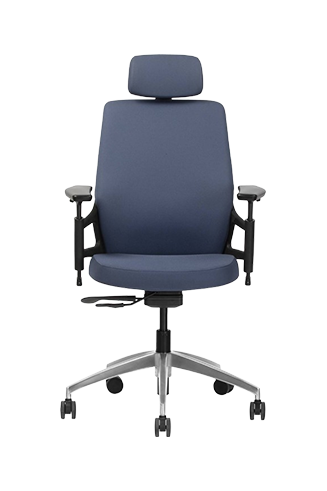
Modern hybrid solutions represent the evolution of executive seating. These chairs maintain the visual gravitas expected in leadership spaces while incorporating ergonomic features that support all-day comfort. The Wipro Absolute chair exemplifies this approach, offering features like 4D adjustable armrests, a contoured backrest, an automatic weight-sensing mechanism and much more.
The integration happens subtly. Lumbar support mechanisms hide within elegantly upholstered backrests. Seat depth adjustments operate through discreet levers that don't disrupt clean lines. Even advanced features like synchronised tilt mechanisms work quietly beneath premium leather surfaces.
When evaluating what the best executive office chair with ergonomic consideration is, certain features prove especially valuable:
Key comfort features to consider:
Adjustable lumbar support that maintains your spine's natural curve
Synchronised tilt allowing natural movement throughout the day
Quality armrests preventing shoulder and neck tension
Breathable upholstery suitable for climate-controlled offices
Appropriate seat depth supporting your thighs without restricting circulation
|
Design Insight: The Hidden Wellness Features Today's executive chairs often include waterfall seat edges that reduce pressure on the thighs, breathable materials that regulate temperature during long meetings, and memory foam that adapts to a user's unique shape while maintaining a professional appearance. |
The investment in executive seating extends beyond immediate comfort to long-term value and professional image. Understanding the total cost of ownership helps justify quality choices.
Studies show that over 60% of office workers report back discomfort from poor seating. This statistic gains weight when considering that professionals spend many hours daily on the chairs. The hidden costs of inadequate seating—including reduced productivity, increased sick days, and potential talent turnover—far exceed the price difference between basic and quality executive chairs.
Forward-thinking organisations now view seating as a preventive healthcare investment rather than mere furniture procurement. When evaluating options, consider that BIFMA certification ensures that a chair meets rigorous standards for durability, stability, and performance. This certification provides confidence that the investment will maintain its supportive properties and professional appearance over years of daily use.
The landscape of workplace seating continues evolving with hybrid work patterns and wellness awareness. Modern office designs increasingly feature flexible spaces where executive chairs serve multiple purposes—from formal meetings to focused work sessions. This versatility makes choosing the right executive chair more important than ever.
The executive chair supporting a user through important decisions deserves the same thoughtful consideration that an employee brings to work. These pieces of furniture silently witness every achievement, support user focus during challenges, and create the professional environment where ideas take shape.
Whether intended for a corner office or a refined home workspace, the ideal executive chair should combine professional aesthetics with long-lasting comfort and functional support. Explore options like Wipro's premium seating solutions designed to honour both the position and well-being of the user throughout each working day.
1. What exactly is an executive chair, and how does it differ from regular office seating?
An executive chair design focuses on combining premium aesthetics with professional presence. These chairs feature high backs, leather upholstery, and sophisticated styling that distinguishes leadership spaces while supporting shorter work sessions comfortably.
2. How do I know if an executive chair suits my work style?
Consider your typical workday pattern. Executive chairs excel for professionals splitting time between meetings, desk work, and collaborative sessions. Those spending 8+ continuous hours at desks benefit from ergonomic or hybrid models.
3. What is a manager chair compared to an executive model?
'Manager chair' typically refers to mid-level executive seating with professional styling but potentially fewer premium materials. These offer similar aesthetic benefits at more accessible price points while maintaining workplace hierarchy.
4. Can executive chairs provide adequate support for back problems?
Traditional executive chairs prioritise aesthetics over adjustability, potentially limiting support for existing back issues. Modern hybrid models incorporating lumbar support and ergonomic features better address postural concerns.
5. Which material works best for executive chairs in Indian climates?
Breathable PU leather or perforated genuine leather performs well in temperature-controlled offices. Mesh-backed executive hybrids offer superior ventilation for spaces with variable climate control.