


Search Here
Selecting between a task chair and an executive chair impacts daily comfort, productivity, and long-term health. With more than 1 in 4 working adults experiencing back pain, the wrong seating choice can transform a workday into hours of discomfort. Understanding the fundamental differences between these chair types helps make an informed decision that suits different work styles, budgets, and physical needs.
This guide explores the key distinctions between task chairs and executive chairs: choosing the right one for the office and examining design philosophies, ergonomic features, and practical applications. It talks about how each chair type addresses specific workplace needs and helps discover which option best supports the daily work routine.
Before diving into specific features, it's essential to understand that task and executive chairs serve different workplace purposes. Their design philosophies reflect distinct user needs and work environments.
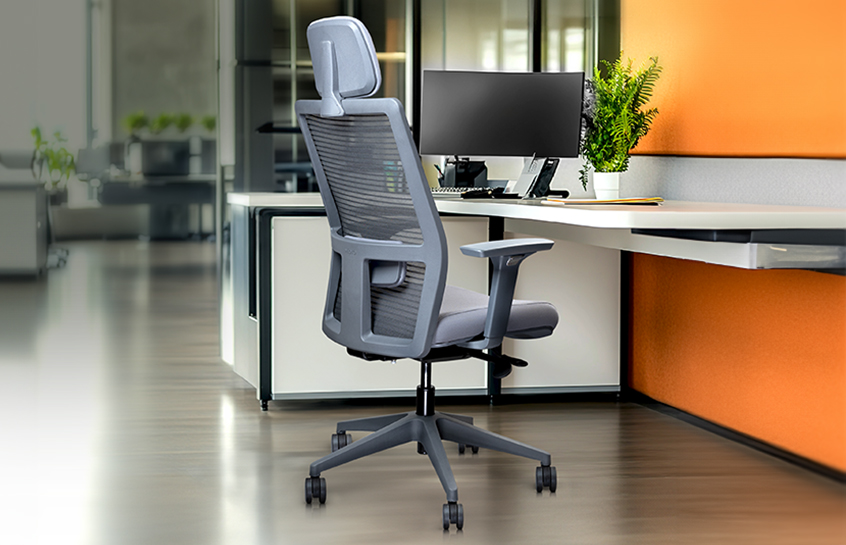
Task chairs are designed for shorter bursts of time and prioritise functionality over aesthetics. These chairs emphasise adjustability and movement, making them ideal for dynamic work environments where users frequently shift between activities. Task chairs typically feature lightweight construction, multiple adjustment mechanisms, and a streamlined appearance that fits easily under standard desks.
This focus on adaptability allows task chairs to perform especially well in shared workspaces or home offices where different users may rely on the same seating throughout the day. Features such as compact footprints and intuitive adjustment systems make them practical in space-constrained urban offices and residential setups alike.
For instance, chairs equipped with automatic weight-sensing mechanisms can respond to varying body types without the need for constant manual recalibration. Models like the Wipro Absolute Chair incorporate these principles, combining a minimal spatial footprint with responsive support suited to multi-user environments.
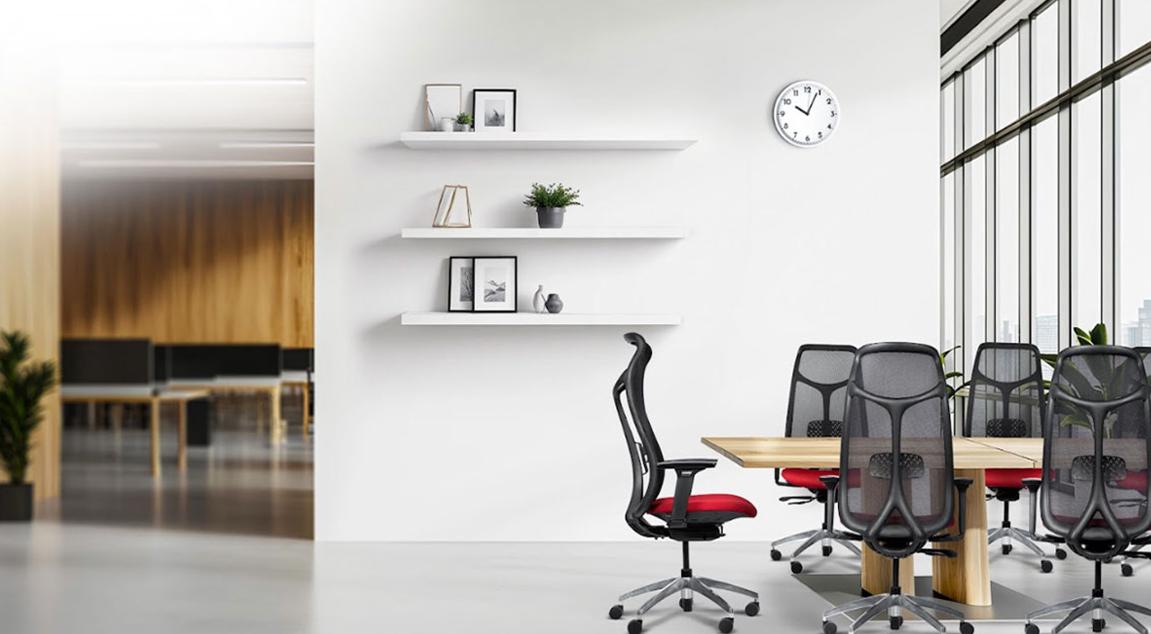
Executive chairs take a contrasting approach with plush padding and high backs designed for extended sitting sessions. These chairs prioritise immediate comfort and professional appearance, often featuring leather upholstery, wider seats, and built-in headrests. The emphasis on luxury and status makes them popular choices for leadership offices and boardrooms.
While executive chairs offer generous cushioning and an imposing presence, their fixed or limited adjustability can create challenges for users who don't fit the chair's predetermined dimensions. The higher price point, typically starting at double or triple the cost of basic task chairs, reflects both material quality and the prestige factor.
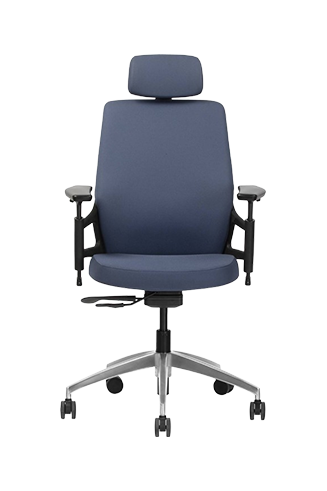
Chairs upholstered in advanced materials such as EPU and equipped with structural elements like die-cast aluminium cantilever armrests illustrate this category well. The Wipro Dynasty Chair, for example, pairs an integrated headrest with premium finishes, reflecting the comfort-forward, design-led philosophy that defines executive seating.
The ergonomic differences between these chair types significantly impact user health and comfort. Understanding these distinctions helps prioritise features that matter most for specific needs.
Task chairs typically offer adjustable lumbar mechanisms that move both vertically and horizontally. This flexibility allows users to position support precisely where the lower back needs it most. Many task chairs feature depth-adjustable lumbar pads that accommodate different spine curvatures, essential for preventing the muscle fatigue that leads to chronic back pain.
Executive chairs usually incorporate fixed lumbar support through curved backrests or built-in padding. While initially comfortable, this one-size-fits-all approach may not suit everyone's anatomy. Users whose spines don't match the chair's predetermined curve might experience pressure points or inadequate support during long sitting sessions.
The adjustability gap between task chairs vs. executive chairs becomes most apparent in armrest functionality. Task chairs often include 3D or 4D armrests that adjust in height, width, depth, and angle. This versatility supports various working positions, from typing to reading documents, reducing shoulder and neck strain.
Executive chairs typically limit armrest adjustments to height only, if any adjustment exists at all. The wide, padded armrests suit relaxed postures but may interfere with proper keyboard and mouse positioning, potentially causing repetitive strain injuries over time.
Both chair types must meet certain safety and durability standards, though their approaches differ. Understanding these requirements helps evaluate quality beyond surface appearances.
The ANSI/BIFMA X5.1 standard establishes performance requirements for office seating, including stability, durability, and strength testing. Certified chairs undergo rigorous evaluation simulating years of use, ensuring they maintain structural integrity under normal workplace conditions.
When comparing task chairs vs. executive chairs, BIFMA certification provides an objective quality benchmark. Many task chairs from manufacturers meet these standards at various price points. Executive chairs often exceed minimum requirements but at significantly higher costs.
Ergonomic guidelines specify that office chairs should accommodate a seat height range of 16-21 inches to suit most users. Task chairs typically offer this full range through gas cylinder adjustments, while some executive chairs limit adjustment ranges to maintain their distinctive high-seated appearance.
Research indicates lumbar disc pressure reaches its lowest point at a supported recline angle of 110-130 degrees. Task chairs often provide tilt tension controls, allowing users to find an optimal angle, while executive chairs may offer only basic recline without fine-tuning capabilities.
Beyond ergonomics and standards, practical workplace factors influence the choice between task and executive seating. These real-world considerations often determine which option delivers the best value.
In warm, humid environments, breathability becomes crucial for all-day comfort. Task chairs frequently incorporate mesh backrests that promote airflow, preventing heat buildup during extended work sessions. This feature proves especially valuable in offices without robust climate control or home workspaces lacking adequate ventilation.
Executive chairs with leather or vinyl upholstery trap heat and moisture, creating discomfort in warmer conditions. While premium leather looks professional, it requires climate-controlled environments to maintain comfort throughout the workday.
Chairs designed with full or partial mesh construction illustrate how material choice can directly influence comfort in tropical conditions. The Wipro Alivio Chair, for instance, uses a breathable mesh back and moisture-wicking materials to encourage airflow and reduce perspiration during long hours of sitting. Complementary ergonomic features such as a Class-4 gas lift and 2D adjustable armrests further support posture adjustments throughout the day, reinforcing how breathability and adaptability often go hand in hand in task-orientated seating.
Task chair pricing typically lies below that of executive chairs, even for quality options, making them accessible for startups, home offices, and organisations furnishing multiple workstations. This range provides access to essential ergonomic features without excessive financial burden.
Executive chairs command premium prices, often starting higher than office chairs for luxury models. While the initial comfort and prestige justify costs for senior leadership positions, the investment may not make sense for general office use where adjustability matters more than appearance.
Choosing between task chairs vs. executive chairs depends on the specific work patterns, physical needs, and environmental factors. Task chairs are great for dynamic work requiring movement and adjustment flexibility, while executive chairs suit roles prioritising extended comfort and professional image. Consider manufacturers offering both categories, like Wipro Seating Solutions, to compare options that meet basic ergonomic requirements within budget constraints.