


Search Here
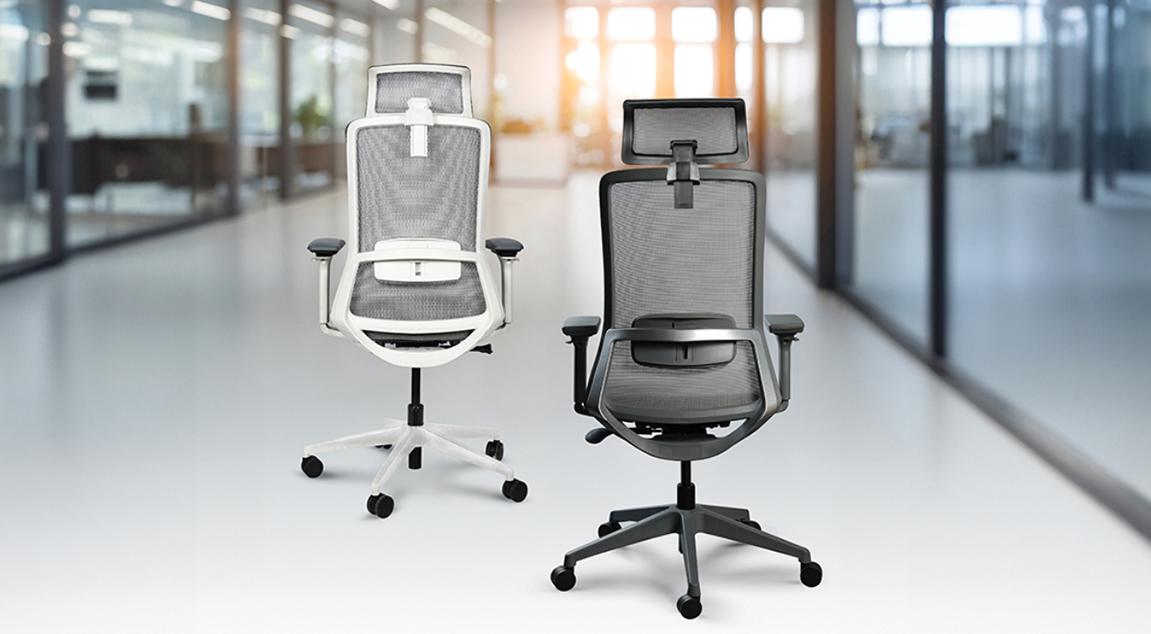
Table of Contents
|
An office chair quietly bears the weight of employee ambitions—through morning presentations, afternoon brainstorming sessions, and those late evenings when deadlines loom large. It's there when concentration peaks and when fatigue sets in, silently influencing comfort, posture, and ultimately, employee wellbeing.
Yet most workplace seating ignores the fundamental truth that bodies come in wonderfully different shapes and sizes. Understanding why generic chairs fail and how thoughtful design supports employee wellness helps create workspaces where people genuinely thrive.
Individual physical dimensions vary across users, creating a complex challenge for seating design. These variations go far beyond simple height differences, encompassing everything from torso length to the curve of the spine.
Height creates the most visible seating challenge, but its impact runs deeper than expected. When the feet don't rest flat on the floor, the thighs bear unnecessary pressure, restricting blood flow. Conversely, if the knees sit higher than the hips, the lower back loses its natural curve, creating strain that compounds throughout the day.
Research reveals that 90-95% of people have popliteal heights—the distance from the floor to the back of the knee while seated—ranging between 13.8 and 18.7 inches. That's quite the difference that standard chairs simply cannot accommodate with their typical adjustment range. This mismatch affects circulation, posture, and comfort in ways that ripple through an entire workday.
The popliteal height statistic exposes a fundamental flaw in conventional office furniture design. Studies show that nearly half or more users across different age groups could not place their feet on the ground after sitting. This shows a huge mismatch between seat and popliteal height, leaving millions of workers literally and figuratively unsupported.
This gap manifests in subtle but significant ways. Shorter individuals often perch on seat edges, losing crucial back support. Taller workers slouch to compensate for inadequate backrests. Both adaptations create muscle tension, reduce breathing capacity, and accelerate fatigue—hardly the foundation for productive, healthy work environments.
The modern workplace has evolved dramatically, yet seating often remains stuck in outdated one-size-fits-all thinking. When contemporary work demands are met with generic seating solutions, discomfort and health problems often follow.
Poor chair fit forces the body into unnatural positions hour after hour. A seat that's too deep cuts into the back of the knees, while one that's too shallow fails to support the thighs properly. Either scenario disrupts healthy weight distribution and blood circulation.
When seat depth is incorrect, it often rests on the hamstrings, restricting blood flow through the legs. This becomes a primary factor in workplace fatigue, that heavy, sluggish feeling that sets in during afternoon hours. Energy drains not from mental exertion but from the body's struggle against poorly designed seating.
The price of inadequate seating extends far beyond momentary discomfort. Studies among office workers reveal alarming statistics: 71.9% report work-related musculoskeletal disorders, with lower back, wrists, and shoulders bearing the brunt of poor ergonomic support.
In Indian IT and office environments specifically, more than 60% of workers report back pain linked to prolonged sitting. These aren't just numbers—they represent colleagues missing meetings, projects delayed by sick leave, and careers affected by chronic pain. The hidden costs multiply through reduced productivity, increased healthcare expenses, and the human toll of preventable suffering.
True ergonomic design goes beyond adding a few levers and knobs. It requires understanding how different adjustment mechanisms work together to support the body's natural alignment and movement patterns throughout the workday.
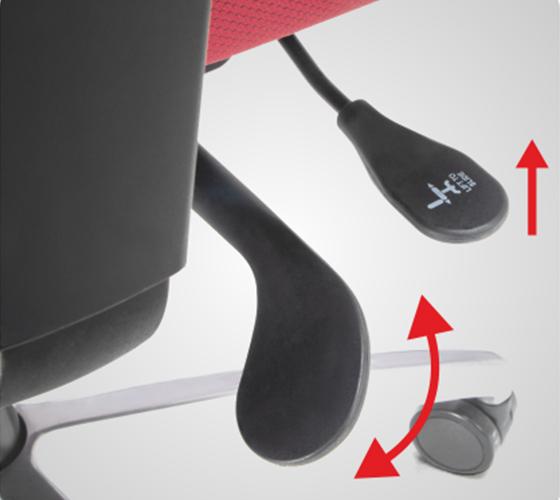
While chairs may boast numerous adjustment options, certain features prove essential for genuine comfort and support. Height adjustment remains fundamental, but the range matters enormously—quality adjustable chairs offer 15-22 cm of vertical movement to accommodate users from 150 cm to 190 cm tall.
|
Essential Adjustment |
Why It Matters |
Ideal Range |
|---|---|---|
|
Seat Height |
Ensures feet flat on floor, knees at 90° |
15-20cm vertical range |
|
Lumbar Support |
Maintains spine's natural S-curve |
5-10cm height, 2-3cm depth |
|
Seat Depth |
Prevents knee pressure, supports thighs |
5-8cm sliding adjustment |
|
Armrest Position |
Reduces shoulder and neck tension |
Height, width, and pivot options |
The more adjustable a chair becomes, the more likely it is to fit diverse body types. Quality ergonomic seating doesn't lock users into one "correct" position—it adapts as the users shift between focused work, collaborative discussions, and brief relaxation moments.
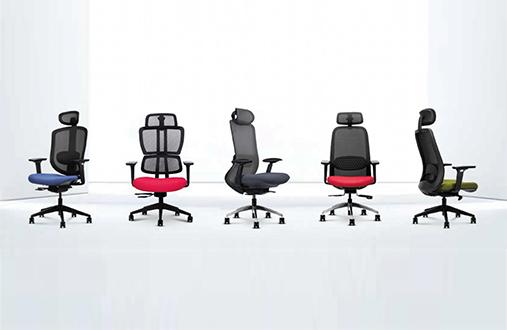
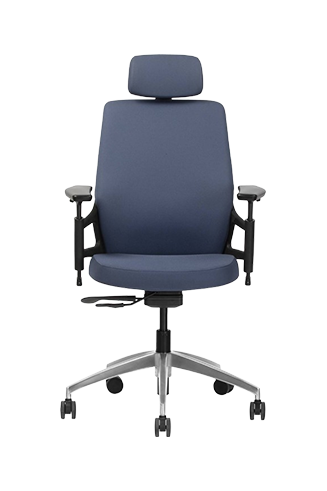
The Wipro Amplify Chair has been made keeping in mind anthropometric data, which makes it versatile in adjusting to different body sizes. Its ergonomic features include a curved lumbar support which ensures continuous back support throughout the day and a synchro mechanism which allows for seamless coordination between the backrest and the seat.
Height adjustment alone cannot solve ergonomic challenges. The lower back needs targeted support that moves with the body, not fixed padding that fits no one properly.
Consider how work patterns have shifted. Morning video calls require upright alertness. Afternoon analysis might see workers leaning back in contemplation. Evening report-writing often brings forward-leaning focus. Each posture demands different support, making dynamic adjustability essential rather than optional.
The connection between seating and wellness runs deeper than occasional backaches. Poor ergonomic support creates cascading effects that touch every aspect of work life, from physical health to mental wellbeing and professional performance.
Inadequate seating triggers a domino effect of health challenges. It starts subtly—slight discomfort that seems manageable. But as hours accumulate, poor posture restricts lung capacity and blood flow to the brain. Recent studies found people now sit for an average of 10.4 hours daily, amplifying these effects.
Physical symptoms multiply quickly:
Chronic lower back pain affecting 80.81% of office workers
Neck strain impacting 58.6% of professionals
Shoulder tension troubling 37.4% of desk workers
Reduced circulation leading to afternoon energy crashes
Headaches from poor neck alignment
Comfortable employees perform better—it's that straightforward. Users of properly fitted ergonomic chairs report 17% higher productivity levels. When the body feels supported, the mind stays sharp, creative, and engaged.
The business case becomes even clearer when examining absenteeism. Companies that invested in quality adjustable chairs saw a drop in sick days related to back and neck pain. That translates directly to project continuity, team morale, and bottom-line results. Poor sitting positions particularly affect cognitive performance during strategic
meetings, where mental agility drives innovation and problem-solving.
|
Design Insight: The Wellbeing Multiplier
When employees feel physically supported, psychological benefits follow. Workers using ergonomic seating report not just less pain but greater job satisfaction, improved mood, and stronger engagement with work. The chair becomes an enabler of wellbeing rather than a source of stress. |
Moving beyond one-size-fits-all requires understanding what makes seating truly adaptive. The goal isn't perfection but furniture that flexes with human diversity, supporting various body types, work styles, and comfort preferences.
Adaptive seating responds to individual needs through thoughtful engineering. BIFMA-certified furniture meets rigorous standards for adjustability, durability, and safety—ensuring products withstand real workplace conditions while supporting diverse users.
Key elements of adaptive design include:
Smart lumbar systems that adjust both vertically and horizontally
Synchronised tilt mechanisms maintaining optimal angles between seat and backrest
Weight-activated controls that respond to user mass automatically
Breathable materials preventing heat build-up during long sessions
Intuitive adjustments requiring no technical knowledge
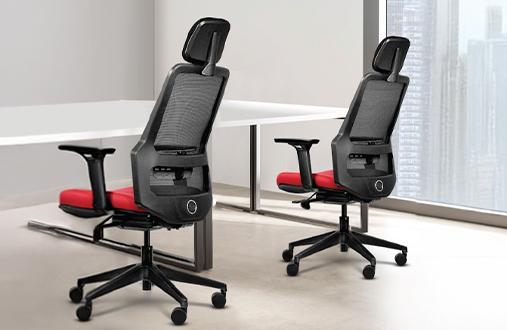
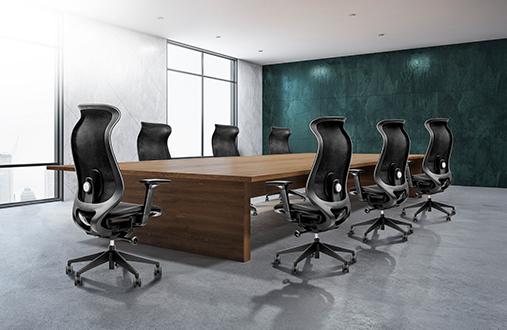
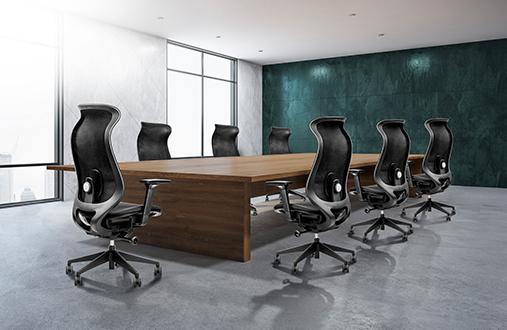
Wipro's I'm Pro Chair exemplifies this adaptive philosophy, incorporating research-backed features like an automatic weight sensing mechanism which makes the chair adapt to various users. Additionally, the mesh back helps dissipate heat in the hot Indian climate.
Climate significantly impacts seating comfort, especially in India's diverse weather conditions. Mesh backs excel in warm, humid environments, promoting airflow that keeps users comfortable even without constant air conditioning. High-quality mesh also proves easier to clean—important during monsoon seasons when moisture becomes a concern.
Material Comparison for Indian Workplaces:
|
Material Type |
Best Environment |
Key Benefits |
|---|---|---|
|
Mesh Back |
Non-AC offices, warm climates |
Superior airflow, quick drying, lightweight |
|
Cushioned Foam |
AC environments, premium spaces |
Traditional comfort, noise absorption |
|
Hybrid Design |
Variable conditions |
Mesh back + cushioned seat balance |
|
Breathable Fabric |
Home offices |
Comfort with domestic aesthetics |
The rise of hybrid work adds another dimension. Professionals splitting time between temperature-controlled offices and varied home environments need seating that performs across conditions.
Selecting appropriate workplace seating requires balancing individual needs, organisational resources, and long-term value. The investment in proper ergonomic support pays dividends through improved employee wellness, reduced healthcare costs, and sustained productivity.
Forward-thinking organisations recognise that seating directly impacts their most valuable asset—the people. By moving beyond generic solutions to embrace adjustable, supportive options, companies signal genuine care for workforce wellbeing. The shift from viewing chairs as mere furniture to understanding them as wellness tools marks a crucial evolution in workplace thinking.
Explore Wipro's comprehensive seating solutions to discover how thoughtful design and engineering can transform your workplace comfort and support long-term wellness goals.
Ergonomic chairs support natural spine alignment, reduce muscle strain, and promote healthy circulation. Proper adjustability prevents musculoskeletal disorders common in standard seating, leading to fewer sick days and sustained comfort throughout workdays.
Quality adjustable chairs should offer at least four key adjustments: seat height (15-20cm range), lumbar support (height and depth), seat depth (5-8cm), and armrest positioning for comprehensive support across different body types.
Well-built ergonomic chairs with BIFMA certification typically last 7-10 years with proper maintenance. The durability depends on usage intensity, weight capacity adherence, and regular cleaning of mechanical components.
Quality ergonomic chairs incorporate advanced mechanisms, durable materials, and extensive adjustability. The higher initial investment returns value through reduced sick leave, improved productivity, and longer product lifespan compared to basic seating.
Chair adjustments should happen whenever discomfort arises or tasks change significantly. Weekly checks ensure settings remain optimal, which is especially important for hot-desking environments or shared workspaces.