


Search Here
Table of Contents
|
The afternoon slump hits differently when a chair fights against the user. Workers shift positions, adjust the laptop screen, and maybe stand for a few minutes—but the discomfort lingers. Sound Familiar? This is what 80.81% of professionals across various occupations face: the daily battle between the body and their workspace seating.
The truth about desk chair types goes beyond cushions and armrests. Each design philosophy addresses specific work patterns, body mechanics, and comfort needs. Understanding these differences transforms chair selection from guesswork into informed choice.
Every workday tells a story through movement—leaning forward during intense focus, reclining during calls, shifting when energy dips. The chair should support each chapter of this daily narrative.
Task chairs earn their reputation as office workhorses through thoughtful engineering. These chairs put control in the hands of the users, offering height adjustment, lumbar support, armrest positioning, and seat depth customisation. The design acknowledges a simple truth: people spending six to eight hours at desks needs comprehensive support that adapts throughout the day.
The beauty of task chairs lies in their democratic approach to comfort. Whether workers are drafting presentations or analysing spreadsheets, these chairs adjust to support the spine's natural curve. Mid-back versions suit most professionals, providing essential lumbar support without overwhelming smaller frames. The seat pan typically measures 16-20 inches wide, accommodating diverse body types while maintaining proper thigh support. Wipro's Always Chair exemplifies this adaptability, offering multiple adjustment points like body-tracking lumbar support and armrests that help each user find their comfort zone.
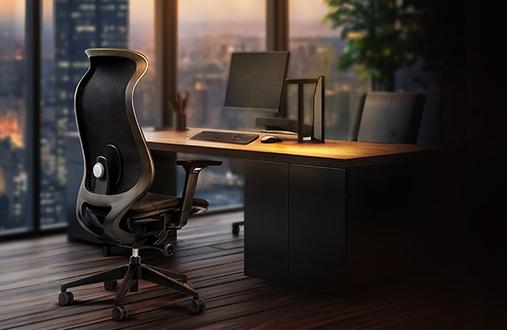
Executive chairs speak a language of authority while delivering serious ergonomic benefits. The assumption that these chairs trade function for form misses their true purpose. Full-height backrests support the entire spine, from the lumbar region through the shoulders—crucial for professionals navigating longer stretches of meetings, calls, and focused work.
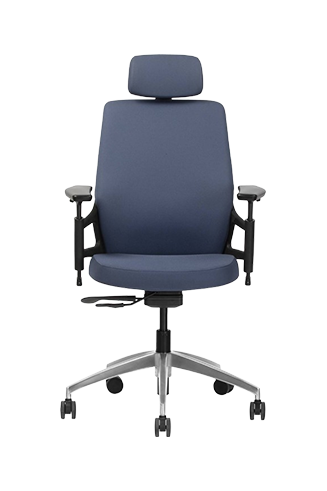
Wider seats accommodate different sitting positions throughout the day. Higher backs provide head support during those moments when executives need to lean back and think. Premium materials like leather or high-grade fabric handle the wear of daily use while maintaining a professional appearance. Take the Wipro Trophy Chair, for instance; it comes with a body-hugging design which has a contoured backrest for optimal support. The automatic weight-sensing mechanism also helps it become multi-user-friendly.
Conference rooms benefit from this blend of comfort and presence, helping participants stay engaged through lengthy discussions.
The relationship between temperature and productivity runs deeper than most realise. When discomfort from retained heat disrupts focus, work quality suffers alongside comfort.
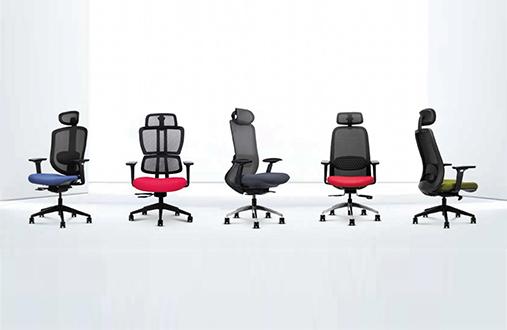
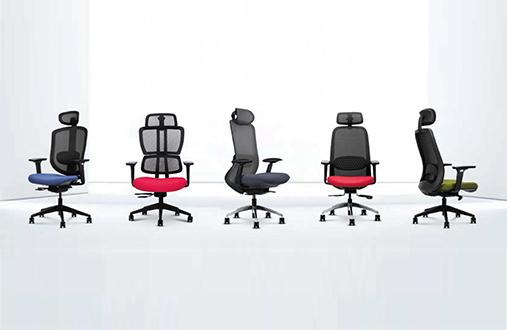
Mesh construction revolutionises office seating through breathability and adaptive support. The material conforms to body contours while allowing continuous airflow—essential during warm months or in spaces where air conditioning struggles to reach every corner. Full-mesh chairs take this principle to its logical conclusion, wrapping both seat and backrest in breathable material.
Yet mesh-back chairs with cushioned seats offer their own advantages. Many professionals prefer the padded seat foundation for its familiar comfort, especially during longer sitting periods. The combination delivers targeted benefits: mesh backs prevent upper body heat buildup while cushioned seats provide stable support. This hybrid approach suits shared workspaces where different users bring varying comfort preferences.
Temperature regulation plays a crucial role in maintaining concentration. When the body works to manage heat, cognitive resources divert from actual tasks. Mesh materials address this quietly, allowing natural ventilation that keeps you comfortable without conscious adjustment.
The impact extends beyond immediate comfort. Reduced sweating means less fidgeting, fewer position changes, and sustained attention on work. For professionals transitioning between air-conditioned offices and home setups, mesh offers consistent comfort regardless of ambient conditions. The material also simplifies maintenance—spills wipe clean, and the open weave resists odour buildup even through extended use.
The lines between gaming and professional spaces blur as work evolves. What started as specialised seating for marathon gaming sessions now serves professionals who share similar needs: extended screen time, intense focus periods, and ergonomic support that moves with dynamic work styles.
Gaming chairs suit specific professional contexts beyond their original purpose. Developers coding through complex problems, designers rendering detailed projects, and analysts monitoring multiple screens find value in the pronounced lateral support and enveloping seat design. The bucket-style construction holds the body in the optimal position during extended focus periods.
Consider typical workday patterns. If you spend 6-8+ hours primarily facing screens with minimal movement, gaming chairs offer targeted benefits:
|
Work Pattern |
Gaming Chair Benefit |
Best For |
|---|---|---|
|
Extended coding sessions |
High backrest with neck support |
Software developers, data scientists |
|
Multi-monitor setups |
Wide seat allows position shifts |
Traders, security analysts |
|
Creative work |
Recline function for thinking breaks |
Designers, content creators |
|
Solo focused tasks |
Lateral support reduces fatigue |
Writers, researchers |
Modern gaming chairs transcend their aesthetic origins by delivering neutral sitting support comparable to premium office chairs. The full-back design cradles the spine from the lumbar to the cervical region, while adjustable armrests support varied typing positions. Many models include memory foam padding that responds to body heat, creating personalised comfort zones.
The visual impact in professional settings depends on execution. Subtle colourways and refined materials help gaming chairs blend into modern office environments, while ergonomic benefits justify their presence. Teams working in creative industries or tech startups often embrace the style as part of their workspace identity.
The perfect chair reveals itself through small details—the absence of pressure points, natural arm positioning, and effortless focus. Understanding fit indicators helps recognise when a chair truly works for the body.
Proper chair fit starts with seat height. The feet should rest flat on the floor with knees at roughly 90 degrees. Seat depth proves equally critical—aim for a 2-3 finger space behind the knees for proper support.
Lumbar support positioning makes the difference between comfort and strain. The lower back's natural inward curve needs reinforcement exactly where the spine curves most. Quality chairs offer height-adjustable lumbar support, letting users position this crucial element precisely. When properly adjusted, workers feel gentle pressure supporting the lower back without forcing an unnatural position. Wipro's Alivio Chair incorporates these essential adjustments, helping users achieve personalised comfort regardless of body type. Additionally, it also comes with a mesh back and padded armrests that can be adjusted.
Static positions harm the body over time. The discs between vertebrae depend on movement for nutrient exchange—staying still accelerates degeneration. Dynamic seating encourages natural position shifts throughout the day, promoting circulation and muscle activity.
|
Movement Principle: Your Best Position Is Your Next Position Quality chairs don't lock users into one "correct" posture. They support fluid transitions between upright typing, relaxed thinking, and collaborative turning. This flexibility prevents fatigue while keeping the spine healthy through varied positions. |
Look for chairs with synchronised tilt mechanisms that maintain proper angles as you recline. Tension controls should match the user's body weight, allowing smooth transitions without abrupt movements. Swivel bases and quality casters enable reaching and turning without strain. Chairs like the Wipro I'm Air come equipped with features like the automatic weight-sensing mechanism, which helps it adapt to different users with ease.
Comfort extends beyond initial impressions. The materials touching the body, the chair's response to climate, and long-term durability all influence daily wellbeing. Smart choices here pay dividends through years of supportive seating.
Material selection affects both immediate comfort and extended use satisfaction. High-density foam maintains shape through thousands of sitting hours, while memory foam adapts to individual body contours. Mesh offers superior airflow but may feel less cushioned than traditional padding.
Consider the workspace climate when evaluating materials:
Climate Considerations for Chair Materials
Warm/Humid Environments: Mesh backs, moisture-wicking fabrics, minimal heat
Air-Conditioned Spaces: Leather, dense padding, and fabric upholstery work well
Variable Conditions: Hybrid designs combining mesh backs with cushioned seats
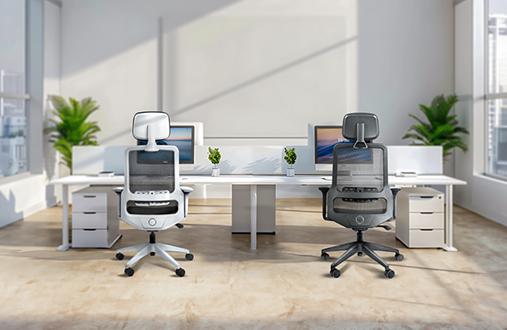
Shared Workspaces: Easy-clean materials that resist wear from multiple users
Durability testing standards like BIFMA certification ensure materials withstand years of regular use. Chairs meeting these standards survive thousands of test cycles simulating real-world wear patterns.
Selection begins with honest assessment of work patterns. Track a typical day: hours at a desk, movement frequency, primary tasks, and comfort pain points. This data guides users toward appropriate types of desk chairs for specific needs.
Different professionals find different chairs suitable, making personal testing essential. Arrange trials of 2-3 promising options in the actual workspace. A week-long test reveals comfort issues that showroom visits miss. Pay attention to end-of-day comfort levels—the right chair maintains support even as fatigue sets in.
Budget considerations matter, but frame them properly. Calculate the per-day cost over a chair's typical 7-10 year lifespan. Premium desk chair types that prevent discomfort and support productivity often prove more economical than replacing cheaper options every few years.
The right chair does more than prevent discomfort—it actively supports a professional life. When seating aligns with the body's needs, focus sharpens, energy sustains longer, and work feels less physically demanding. This partnership between a worker and their chair creates conditions for sustained performance and wellbeing.
Take time to explore options that match unique needs. Whether task chairs for versatile support, executive designs for authority with comfort, or innovative mesh solutions for breathability, the perfect chair exists for every workspace. Discover Wipro's comprehensive seating range to find ergonomic solutions designed around real workplace needs and lasting comfort.
1. What are the main desk chair types for office use?
The primary desk chair types include task chairs for daily desk work, executive chairs for extended support, mesh chairs for breathability, and gaming chairs for screen-focused roles. Each serves specific workplace needs.
2. How long should a quality office chair last?
Well-built office chairs typically last 7-10 years with regular use. Chairs meeting BIFMA standards undergo rigorous testing to ensure durability. Warranty periods often indicate manufacturer confidence in longevity.
3. Which chair adjustments matter most for comfort?
Seat height, lumbar support position, and seat depth are critical adjustments. These features let users maintain proper posture with feet flat and spine supported. Armrest height also reduces shoulder strain significantly.
4. Do mesh chairs work better in warm climates?
Yes, mesh construction provides superior airflow compared to traditional upholstery. This breathability reduces heat buildup and moisture, maintaining comfort during warm weather or in spaces with limited climate control.
5. How do I know if my desk chair fits properly?
Proper fit shows through flat feet positioning, 2-4 inches between seat edge and knees, supported lower back curve, and relaxed shoulders with armrests. You should maintain these positions without conscious effort.
6. Can gaming chairs work for professional settings?
Gaming chairs suit professionals needing extended screen focus and lateral support. Modern designs in subtle colours blend into office environments while providing ergonomic benefits comparable to traditional task chairs.
7. What's the difference between task and executive chairs?
Task chairs emphasise adjustability for varied desk work over 6-8 hours. Executive chairs feature full-height backs and premium materials, supporting professionals through extended meetings and leadership responsibilities while maintaining comfort.