


Search Here
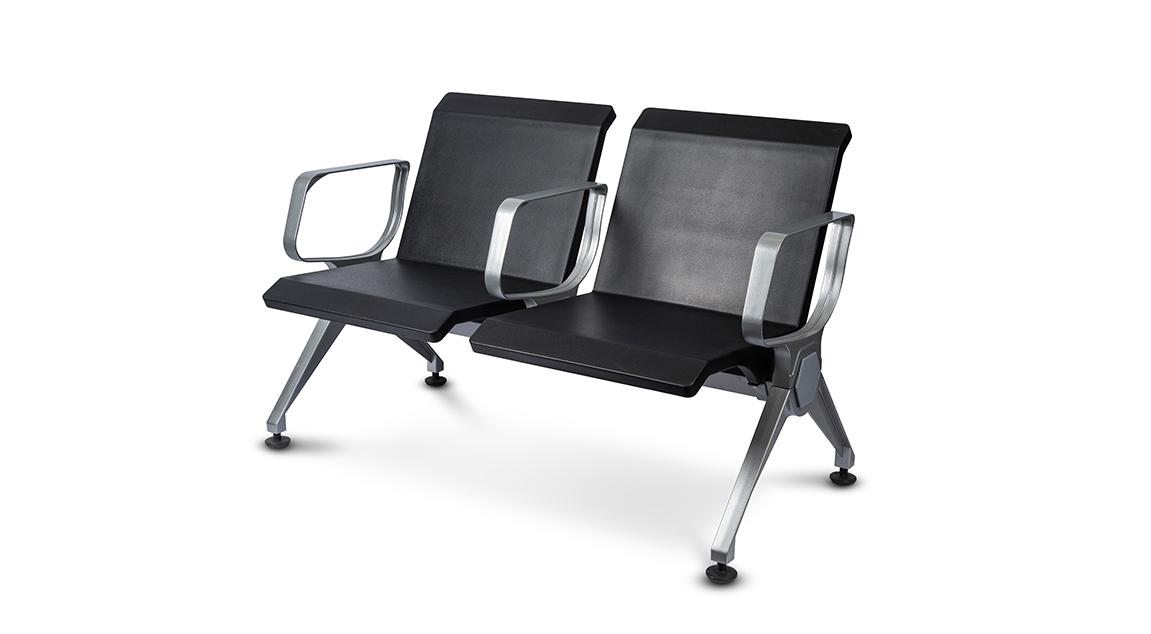
Poor office seating quietly drains company resources through increased sick days and employee departures. Research reveals how poor seating impacts absenteeism and turnover, costing businesses more than $600 billion annually, with employers losing an average of $4,080 per full-time employee. When workers suffer from musculoskeletal pain due to inadequate chairs, the effects ripple through entire organisations.
This analysis examines the direct connections between seating quality and workforce stability, drawing from occupational health research and workplace studies. Understanding these relationships helps organisations make informed decisions about office furniture investments that protect both employee health and company productivity.
The economic consequences of poor seating extend far beyond initial furniture savings, creating substantial hidden costs through medical expenses, lost productivity, and workforce disruption.
Studies demonstrate that workplace musculoskeletal disorders cost the sector between $45 and $54 billion annually in medical costs and absenteeism. Employers pay approximately $1,917 annually per employee in absenteeism-related costs. These figures include both direct wage losses and indirect productivity impacts that affect overall profitability.
Poor seating directly affects worker performance through physical discomfort and pain. Employees with moderate lower back pain caused an average loss of €8,928 per year vs €3,499 for those without back pain. Severe pain conditions reduce productivity by 30% to 45%, with some workers unable to maintain full-time schedules. When multiplied across entire workforces, these individual productivity losses create significant organisational impacts.
The relationship between inadequate seating and workforce instability becomes clear when examining health data from office environments.
About 1.8 million workers report musculoskeletal disorders each year, with approximately 600,000 requiring time off work. The annual prevalence of work-related musculoskeletal disorders among computer users varies from 33.8 to 95.3%, highlighting the widespread nature of seating-related health issues. Work-related musculoskeletal disorders are among the most frequently reported causes of lost or restricted work time.
When employees miss work due to seating-related pain, remaining staff absorb additional responsibilities. This increased workload creates higher rates of burnout, ironically leading to more absenteeism and establishing a difficult-to-break cycle. A workplace with frequent employee absences creates frustration among regular attendees, who may feel undervalued, leading to disengagement and higher turnover rates.
Beyond immediate absenteeism, inadequate seating contributes to employee departures through multiple pathways that affect organisational stability.
Chronic pain affects more than physical health—it diminishes job satisfaction and engagement. When employees associate their workplace with discomfort and injury, maintaining positive attitudes becomes challenging. Poor ergonomic conditions send implicit messages about organisational priorities and employee value.
High absenteeism environments experience higher turnover as employees become frustrated with added stress and workload. Frustrated employees, whether due to poor support or disengaging team dynamics, are more likely to seek opportunities elsewhere. When companies fail to address ergonomic needs, they signal a lack of investment in employee wellbeing.
Replacing departing employees involves substantial hidden expenses beyond recruitment costs. Organisations must account for knowledge transfer, training periods, and productivity ramps. Industry estimates suggest replacement costs range from 50% to 200% of annual salary depending on position complexity.
The turnover impact extends to team dynamics and institutional knowledge. Long-term employees possess invaluable understanding of processes, relationships, and historical context. When chronic pain from poor seating drives experienced workers away, organisations lose irreplaceable expertise that new hires cannot immediately provide. Many organisations have noticed productivity gains of up to 32% after ergonomic improvements.
The Occupational Safety and Health Administration provides clear guidance on preventing seating-related workplace injuries through ergonomic standards.
OSHA emphasises that ergonomics helps lessen muscle fatigue, increases productivity, and reduces the severity of work-related musculoskeletal disorders. The goal of ergonomics is to prevent discomfort and injuries caused by work. While OSHA doesn't mandate specific chair designs, it recommends that employers invest in ergonomic office chairs catering to various body types and working positions.
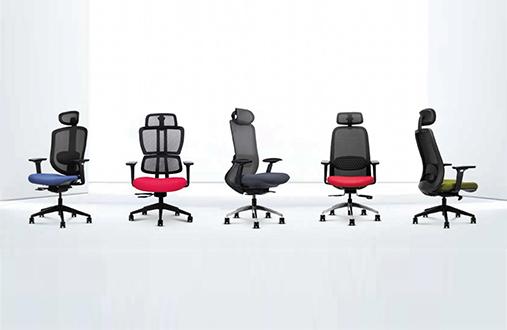
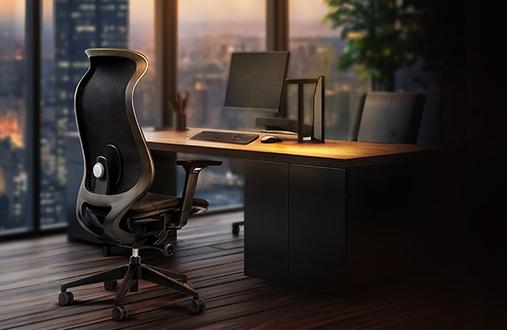
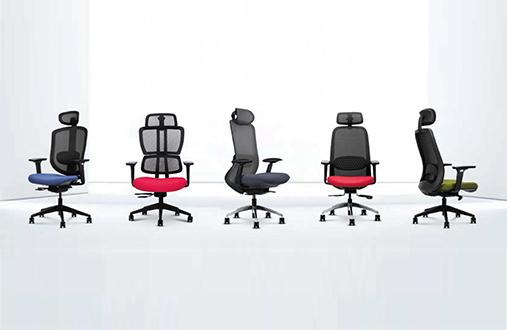
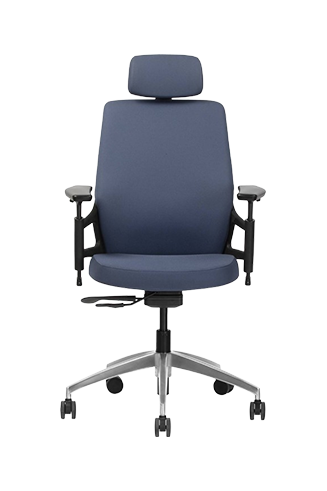
In practical terms, this means selecting office chairs with adjustable and adaptive features that can support multiple users across a workday. For instance, chairs designed with automatic weight-sensing mechanisms and contoured backrests can help maintain spinal alignment and consistent support without requiring constant manual adjustments. Models such as the I'm Pro Chair from Wipro incorporate these types of features, illustrating how ergonomic principles can be applied in real-world office settings to promote comfort and reduce strain.
Organisations implementing proper ergonomic practices experience multiple benefits. Research shows decreased injury rates through lower incidence of musculoskeletal injuries, resulting in fewer lost workdays. Enhanced concentration from comfortable office chair environments fosters improved task performance. Workers report higher satisfaction levels when provided with ergonomic accommodations, leading to better morale and higher retention rates.
Investment in proper seating represents proactive risk management rather than discretionary spending. Understanding which features deliver measurable health benefits helps organisations make informed purchasing decisions.
Effective ergonomic seating addresses multiple body support needs simultaneously. The following features demonstrate proven effectiveness in reducing musculoskeletal disorders:
Adjustable lumbar support ranks as the most critical feature for preventing lower back injuries. Proper lumbar mechanisms should adjust both height and depth to match individual spine curves. This customisation ensures consistent support through varied postures and tasks.
Seat height adjustability allows proper desk alignment while maintaining foot contact with floors. The standard range accommodates most users while preventing leg circulation issues. Pneumatic controls enable easy adjustment without leaving seated positions.
Armrest positioning directly impacts shoulder and neck strain. At minimum, height adjustability prevents elevated shoulder positions during keyboard use. Advanced 3D or 4D armrests accommodate various work tasks from typing to reading.
Beyond adjustability, material selection affects comfort during extended sitting periods. Mesh backrests offer superior airflow in warm environments, preventing heat buildup during long work sessions. A comfortable office chair should provide an adequate seat depth to prevent pressure behind knees while supporting thighs properly.
Chairs such as the Wipro Alivio reflect these principles through a perforated mesh back for breathability, adjustable armrests for better upper-body positioning, and a Class 4 gas lift for durability. Together, these features highlight how thoughtful design choices can enhance everyday office comfort and support.
Despite higher upfront costs, quality ergonomic seating delivers measurable financial benefits through reduced healthcare expenses and improved workforce stability.
While ergonomic chairs require greater initial investment, they reduce expenses related to absenteeism, healthcare, and employee turnover over time. Data demonstrates that ergonomic chairs deliver positive ROI within 18-24 months for most organisations. The cost of ergonomic furniture becomes minor compared to lost productivity and employee turnover resulting from poorly designed workspaces.
Organisations can track the impact of seating improvements through reduced sick days, decreased workers' compensation claims, and improved employee retention rates. A comfortable office chair investment also demonstrates company values, as offering ergonomic furniture boosts morale and shows employers value employee wellbeing. This investment translates into loyalty, reducing turnover while building a culture of health consciousness.
Understanding how poor seating impacts absenteeism and turnover empowers organisations to make evidence-based decisions about workplace furniture. With annual costs exceeding $250 billion from productivity losses and employee health issues, investing in proper ergonomic seating represents sound business strategy rather than an optional expense. Companies prioritising comfortable office chair options through manufacturers like Wipro protect both employee wellbeing and organisational productivity, creating workplaces that support long-term success.