


Search Here
|
Table of Contents
|
Research consistently shows that prolonged sitting in poorly designed seating contributes to musculoskeletal discomfort, fatigue, reduced concentration, and long-term posture-related issues. Employees who lack proper ergonomic support often experience strain in the lower back, neck, and shoulders—problems that gradually impact energy levels, engagement, and overall job satisfaction. In contrast, thoughtfully designed ergonomic seating supports natural posture, encourages healthy movement, improves circulation, and helps maintain focus throughout the workday. This makes seating one of the few workplace investments that directly influences both employee wellbeing and organisational performance on a daily basis.
Yet most employee wellness programmes focus on yoga sessions, meditation apps, or gym memberships while missing the fundamental truth—wellness begins with how employees spend the majority of their working hours: seated. Understanding this foundation changes everything about workplace health initiatives.
The wellness infrastructure of any modern workplace rests quite literally on its seating choices. When organisations view chairs as mere furniture rather than health equipment, they miss the profound impact on employee wellbeing and productivity.
The statistics paint a sobering picture of workplace health challenges. In office environments, research demonstrates 80.81% prevalence of work-related musculoskeletal disorders, with neck discomfort affecting 58.6%, lower back issues troubling 52.5%, and shoulder problems impacting 37.4% of workers. These aren't just numbers—they represent colleagues wincing as they stand, professionals shifting constantly to find relief, and talented employees whose focus gets hijacked by discomfort.
The broader occupational health landscape reveals even more concerning trends. Annual occupational disease incidence reaches 924,700–1,902,300 cases, with musculoskeletal injuries ranking prominently among workplace health challenges. For knowledge workers spending extended hours at desks, the chair becomes either a source of support or a contributor to these statistics.
Physical discomfort creates a cascade of productivity challenges that ripple through organisations. Absenteeism due to musculoskeletal issues occurs 2.8 times more frequently in workplaces with poor ergonomics. Think about what this means—nearly three times more sick days, disrupted project timelines, and increased workload for remaining team members.
Beyond absences, presenteeism poses an equally significant challenge. Employees report wandering around offices simply because their chairs are uncomfortable, breaking concentration and workflow. When 68% of workers believe improved ergonomics would significantly enhance their job performance, the untapped potential becomes clear.
|
The Comfort-Productivity Connection Physical discomfort ranks among the biggest workplace distractions. Each position shift, every stretch to relieve tension, and those moments spent adjusting inadequate chairs steal focus from meaningful work. Quality seating silently eliminates these micro-interruptions. |
Forward-thinking organisations recognise that employee wellness programmes succeed when they address daily experiences rather than occasional activities. Seating investment sends powerful messages about organisational values and employee worth.
When companies provide quality ergonomic seating, they communicate care through action rather than words. This tangible investment in comfort demonstrates that leadership considers employees worth protecting and supporting. The message resonates deeply.
Research confirms this connection between ergonomics and engagement. Providing adjustable, supportive seating alongside other ergonomic solutions increases employees' sense of being valued by their organisation. This psychological impact extends beyond mere appreciation; it translates into measurable improvements in commitment and performance.
Key Elements That Demonstrate Value Through Seating:
• Individual adjustability respecting body diversity
• Quality materials showing long-term thinking
• Aesthetic design reflecting professional respect
• Regular updates acknowledging changing needs
• Choice options empowering personal preference
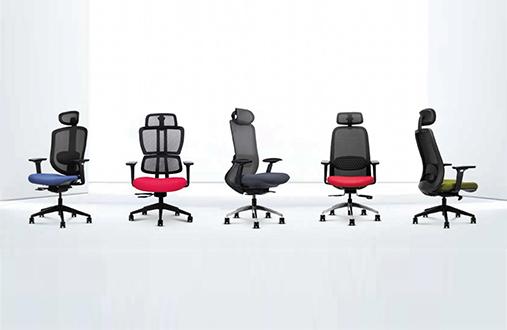
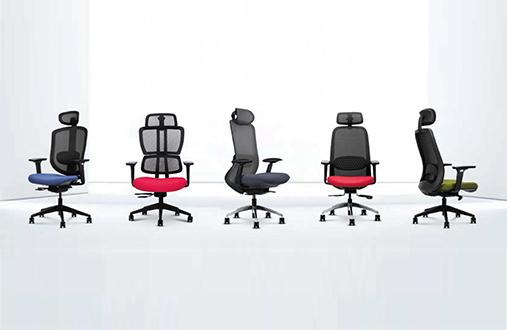
Modern ergonomic seating increasingly incorporates these principles through features such as adjustable height and tilt controls, adaptive lumbar support, and intelligent weight-responsive mechanisms that automatically respond to different users. Chairs such as the Wipro Adapt exemplify this shift towards more intuitive ergonomic design, combining manual customisation with automatic support adjustments to create a seating experience that adapts naturally to diverse workplace requirements.
The relationship between physical comfort and mental wellbeing runs deeper than many realise. A well-designed chair supports not just the spine but the entire workflow, enabling both physical stability and mental sharpness throughout demanding workdays. When the body feels supported, the mind can focus fully on creative problem-solving and strategic thinking.
Conversely, chronic discomfort creates mental strain that compounds over time. The cognitive load of managing pain, adjusting positions, and compensating for poor support drains mental energy better spent on productive tasks. Quality seating removes these barriers, allowing natural focus and sustained concentration.
Ergonomic improvements through comprehensive employee wellness programmes show remarkable results: a considerable reduction in musculoskeletal disorders paired with significant productivity increases, according to OSHA research. These gains reflect both physical relief and psychological benefits of working without constant bodily distraction.
Behind every quality chair lies sophisticated understanding of human anatomy and workplace behaviour. Recognising these principles helps organisations make informed decisions about their wellness foundations.
The spine naturally forms an S-curve with three distinct sections: cervical (neck), thoracic (upper back), and lumbar (lower back). The lumbar region bears tremendous stress during sitting, making it particularly vulnerable to strain and injury. Without proper support, this natural curve flattens or reverses, creating pressure that accumulates into chronic pain.
Modern lumbar support technology addresses these challenges through sophisticated mechanisms. Advanced systems now offer height, depth, and firmness adjustments, allowing each user to match support precisely to their spinal curve. Dynamic systems go further, maintaining contact as you lean forward to type or recline during thinking moments, preventing the shear forces that occur when support gaps develop.
|
Spine Section |
Natural Curve |
Sitting Impact |
Support Solution |
|---|---|---|---|
|
Cervical |
Inward (lordotic) |
Strain from monitor viewing |
Headrest positioning |
|
Thoracic |
Outward (kyphotic) |
Rounding from poor posture |
Backrest contouring |
|
Lumbar |
Inward (lordotic) |
Flattening under load |
Adaptive lumbar system |
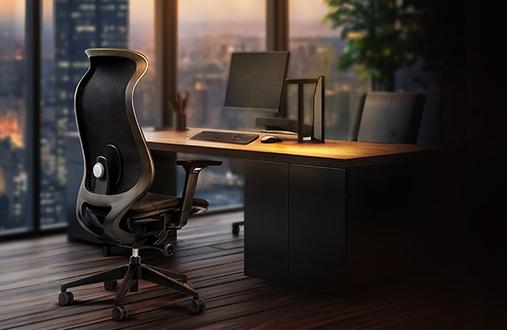
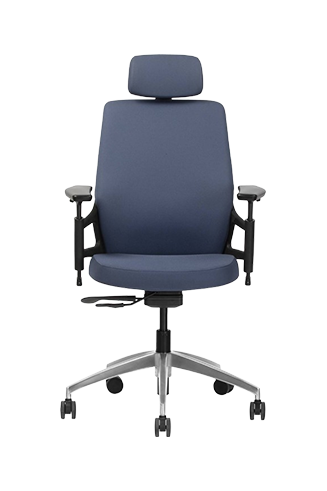
The Wipro Aerosit Chair integrates these scientific principles into designs that adapt to natural spinal curves while encouraging healthy positioning throughout the workday.
Static sitting, regardless of how "correct" the position, creates its own problems. The human body thrives on movement, and modern seating science recognises this fundamental need. Tilt mechanisms that allow gentle reclining promote dynamic sitting—encouraging natural weight shifts that alleviate spine pressure while improving circulation.
Today's hybrid work patterns demand even greater adaptability. Professionals switch between video calls, focused work, collaborative sessions, and quick stand-up meetings. Chairs must support these transitions seamlessly, offering intuitive adjustments that don't interrupt workflow.
Movement-Enabling Features for Modern Work:
• Synchronised tilt maintaining lumbar contact
• Flexible backrest supporting lateral movement
• Smooth swivel for collaboration
• Easy height adjustment for sit-stand desk compatibility
• Armrest positioning for varied tasks
Translating seating science into practical workplace wellness requires thoughtful implementation. Organisations must move beyond viewing chairs as procurement items to understanding them as wellness infrastructure.
Not all ergonomic features provide equal benefit. Priority considerations for employee wellness programmes should focus on elements that address the most common workplace discomforts while supporting diverse body types and work styles.
Essential adjustments begin with seat height, ensuring feet rest flat while thighs remain parallel to floors. Lumbar support height and depth must accommodate varying spine lengths and curves. Armrests require both height and width adjustment to prevent shoulder elevation while supporting forearms during typing.
|
Beyond Basic Adjustments True all-day comfort comes from features that work together: breathable materials preventing heat buildup, seat depth accommodation for different leg lengths, and intuitive controls enabling quick adjustments without work disruption. |
Material selection proves equally crucial in warm climates and spaces with variable air conditioning. Mesh backs provide superior airflow during intense work sessions, while quality cushioning maintains support without creating pressure points. The Wipro Alivio balances these considerations, offering materials suited to long hours and climate variations.
Strategic seating investment within employee wellness programmes generates returns far exceeding initial costs. Reduced absenteeism, decreased healthcare expenses, improved retention, and enhanced productivity compound over time. Quality chairs lasting 5-7 years amortise to mere rupees per day while preventing thousands in medical costs and lost productivity.
Forward-thinking organisations recognise additional value streams. Comfortable employees become workplace advocates, enhancing recruitment efforts. Visible wellness investments improve corporate reputation. Standardising on quality seating simplifies facility management while ensuring consistent employee experiences across locations.
Calculating Seating ROI:
• Direct savings: Reduced injury claims and healthcare costs
• Productivity gains: Fewer sick days and improved focus
• Retention benefits: Lower recruitment and training expenses
• Cultural impact: Enhanced employer brand and employee advocacy
• Operational efficiency: Simplified procurement and maintenance
Seating choices send powerful cultural signals throughout organisations. When leadership prioritises employee comfort through quality chairs, it establishes wellness as a core value rather than an afterthought. This foundation influences everything from daily habits to long-term health outcomes.
Implementation succeeds best through phased approaches that demonstrate commitment while managing budgets. Starting with employees experiencing discomfort or those in critical roles shows responsive leadership. Gradually expanding quality seating throughout organisations builds momentum for comprehensive wellness initiatives.
Regular seating assessments and updates maintain the foundation's strength. As work patterns evolve and employee needs change, seating solutions must adapt accordingly. This ongoing attention reinforces that employee wellness programmes represent continuous investments rather than one-time initiatives.
The evidence clearly positions seating not as an add-on to workplace wellness but as its essential foundation. Every ergonomic improvement, every thoughtful adjustment, and every quality material choice contributes to employee health, happiness, and productivity.
As you evaluate or expand employee wellness programmes, remember that sustainable wellness begins with daily experiences. Explore Wipro's comprehensive seating solutions designed to support your workforce through every challenge and celebration, creating workplaces where comfort enables excellence.
1. How do ergonomic chairs fit into employee wellness programmes?
Ergonomic chairs form the foundation of employee wellness programmes by addressing daily physical comfort. They prevent musculoskeletal disorders, reduce absenteeism, and demonstrate tangible investment in employee health, creating immediate impact while supporting long-term wellbeing initiatives.
2. How does poor seating affect mental health and cognitive performance?
Physical discomfort creates constant distractions that drain mental energy and break concentration. Poor seating forces cognitive resources towards pain management rather than productive work, leading to decreased focus, increased stress, and reduced job satisfaction.
3. What chair features should employee wellness programmes prioritise?
Priority features include adjustable lumbar support, seat height and depth adjustment, flexible armrests, breathable materials, and movement-enabling tilt mechanisms. These elements address common workplace discomforts while supporting diverse body types and work styles.
4. How often should organisations update their office seating?
Quality office chairs typically last 5-7 years with proper maintenance. However, organisations should conduct annual assessments to identify worn chairs or changing needs. Gradual replacement programmes maintain consistent comfort while managing budgets effectively.
5. Why is seating considered the foundation rather than just one component?
Seating affects employees 8-10 hours daily, making it the most constant wellness touchpoint. Unlike periodic wellness activities, quality chairs provide continuous support, prevent injuries proactively, and enable all other work activities comfortably.
6. How do employee wellness programmes benefit from ergonomic seating investments?
Ergonomic seating amplifies other wellness initiatives by ensuring employees feel physically comfortable enough to engage fully. It demonstrates organisational commitment, provides measurable health improvements, and creates the stable foundation necessary for comprehensive wellness success.