


Search Here
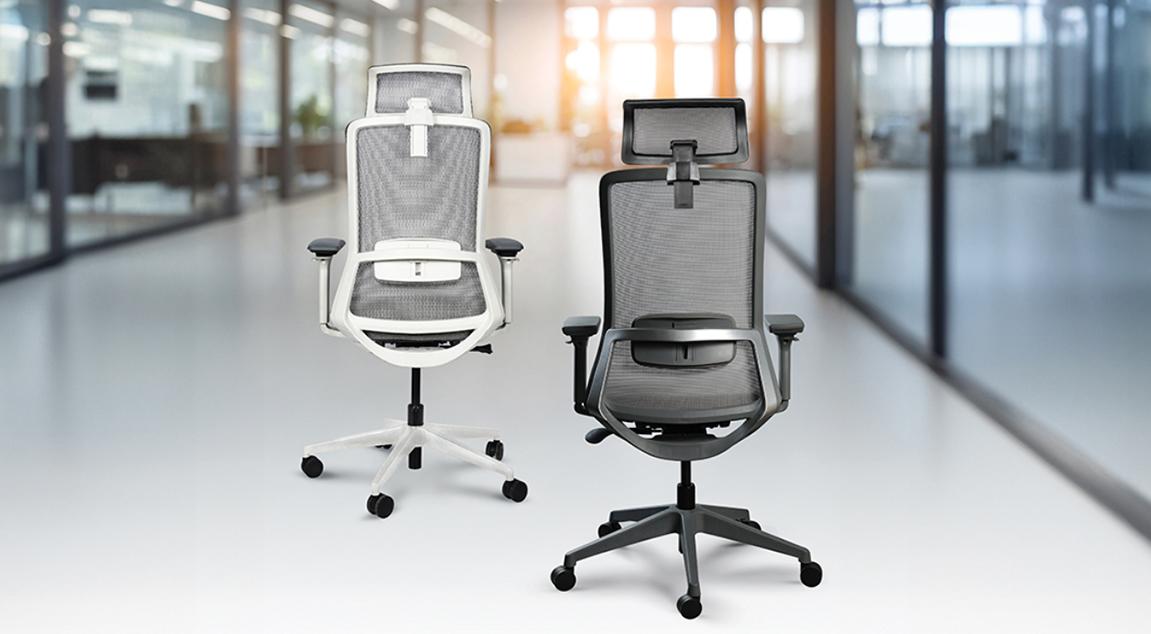
Lower back discomfort, leg restlessness, and occasional numbness are common issues associated with prolonged sitting. These symptoms can lead to frequent position changes and reduced comfort throughout the workday. A properly positioned footrest for an office chair can help support better posture, improve leg positioning, and promote greater comfort during extended periods of desk work.
The connection between the feet and overall seated comfort runs deeper than most realise. When the feet dangle or strain to reach the floor, the entire body compensates in ways that compound into daily discomfort and long-term health concerns.
The workplace seating affects far more than momentary comfort. The seemingly minor issue of unsupported feet creates a cascade of postural problems that impact the entire musculoskeletal system.
When the feet can't rest flat on a surface, the thighs carry extra pressure against the chair seat. This compression restricts blood flow and forces the pelvis to tilt, pulling the spine out of its natural curve. Research confirms that improper foot positioning forces the spine into unnatural curves, straining intervertebral joints and surrounding muscles over time.
The body instinctively tries to compensate. Users might lean forward, round the shoulders, or shift the weight to one side. Each adjustment seems small, but multiply these micro-movements across nine to eleven hours of daily sitting—the average for corporate employees—and the impact becomes significant. Studies reveal that prolonged sitting increases cardiovascular risk by 20-30%, with poor posture amplifying these effects.
The transition from occasional discomfort to chronic pain happens gradually. What starts as end-of-day fatigue evolves into morning stiffness, then persistent aches that follow users home. More than 50% of workers experience health issues directly related to their work setup, with improper seating being a primary culprit.
Many compensatory sitting positions may alter lower-body alignment, influence hip flexion angles, and increase tension in the posterior thigh muscles. Research shows that changes in hamstring tension, pelvic positioning, and seated posture can affect lumbar curvature, increase low-back muscle activity, and place greater mechanical load on the lower back during prolonged sitting.
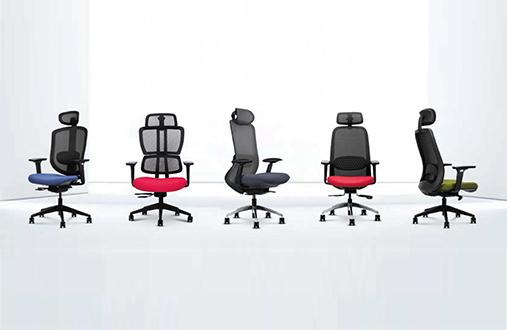
Ergonomic seating aims to minimise the need for these compensatory postures by supporting the body's natural alignment. Features such as adjustable seat depth, height, armrests, and back support allow users to achieve a better fit. For instance, the seat-slider mechanism in the Wipro Absolute helps reduce pressure on the thighs and promotes a more comfortable sitting position during long work hours.
Understanding why foot support matters requires looking at the body as an interconnected system. Every element of the seated posture influences the others, and the feet serve as the critical foundation for this entire structure.
Think of the seated body like a building—stability starts from the ground up. When seated, the feet serve as a foundation for the entire body's alignment. Without proper foot support, the entire structure becomes unstable, forcing other parts to compensate.
A footrest for an office chair acts as an engineering control, using ergonomic principles to maintain a neutral spine position while keeping feet properly supported. This simple addition allows the user's body weight to distribute evenly, reducing pressure points and promoting natural alignment. The difference becomes particularly noticeable during extended work sessions, when proper support prevents the gradual slide into poor posture that characterises many workdays.
Because the body functions as an interconnected kinetic chain, inadequate foot support can affect posture throughout the seated position. When the feet do not rest comfortably on the floor or a footrest, pressure beneath the thighs may increase, potentially affecting comfort and circulation. The body may also adopt compensatory postures to maintain stability, leading to increased muscular effort in the trunk, neck, and shoulders during prolonged sitting.
The solution lies in creating a stable base that allows the body to relax into proper alignment. With feet firmly supported at the right height and angle, the knees can maintain their optimal 90-degree position. The hips settle into neutral alignment. The spine finds its natural curves without forcing or straining.
The impact of proper foot support extends well beyond avoiding temporary discomfort. Research-backed benefits touch every aspect of a workday, wellness and long-term health.
Blood flow follows the path of least resistance. When the feet dangle or press against chair edges, it creates pressure points that restrict circulation. A properly positioned footrest keeps feet elevated and supported, preventing blood from pooling in the lower legs and ankles.
Lower back pain plagues office workers across experience levels and age groups. A footrest for an office chair addresses lower back pain by encouraging proper engagement with the chair's backrest. When the feet rest comfortably, users naturally lean back and use the lumbar support as designed, rather than perching on the seat edge.
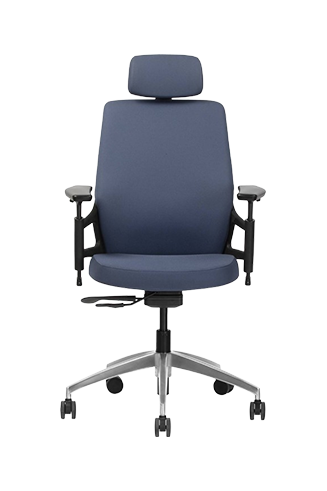
Research found that footrests help workers engage their chair's backrest more fully, distributing body weight effectively and reducing lower back strain. Users consistently report significant pain relief after adding footrests to their workstations, particularly when combined with ergonomic seating like the Wipro I'M Pro that provides adaptive support like a waterfall-edge seat for extra under-thigh support.
While footrests offer universal benefits, certain situations and body types see particularly dramatic improvements from proper foot support.
Traditional office furniture follows standard measurements that work perfectly—if users happen to match those exact proportions. For anyone under average height (approximately 5'2" for women and 5'6" for men), standard desk and chair combinations leave feet dangling. An office chair with a leg rest or separate footrest keeps the body upright and prevents the legs from hanging uncomfortably.
But height presents just one factor. Desk height, chair adjustment range, and monitor position all influence the ideal foot support solution. Someone tall might need a footrest when using a standing desk converter. Shorter individuals might require significant elevation to achieve proper alignment. The key lies in achieving that stable foundation where feet rest flat, knees bend at roughly 90 degrees, and thighs remain parallel to the floor.
A user's work style and existing health conditions also determine footrest benefits. People managing circulation issues, recovering from lower back injuries, or dealing with leg swelling find particular relief. Those alternating between sitting and standing throughout the day use footrests to shift weight and extend standing duration by up to 30 per cent.
Consider footrests an essential component of complete ergonomic solutions rather than optional accessories. They complement quality seating, proper desk height, and monitor positioning to create workspaces that adapt to human needs rather than forcing bodies into uncomfortable positions.
|
Wellness Insight: The 20-8-2 Rule Cornell University's ergonomics research recommends 20 minutes sitting in a neutral position with feet supported, 8 minutes standing to engage different muscles, and 2 minutes moving or stretching. |
Converting awareness into action requires understanding what makes an effective footrest and how to integrate it into daily work patterns.
Quality footrests meet established ergonomic standards while offering adjustment flexibility. Look for these essential features:
|
Feature |
Why It Matters |
What to Look For |
|---|---|---|
|
Height Adjustment |
Accommodates different leg lengths and desk heights |
10% of the user's body height |
|
Tilt Control |
Promotes ankle comfort and circulation |
A comfortable angle which doesn't restrict blood flow. |
|
Surface Texture |
Prevents slipping while allowing position changes |
Non-slip but not restrictive |
|
Platform Size |
Supports both feet comfortably |
Wide enough to rest both feet. |
|
Build Quality |
Ensures long-term stability and support |
Modern footrests go beyond basic platforms. Some incorporate massage textures for foot stimulation. Others feature rocking mechanisms that encourage movement. The best choice depends on your specific needs, workspace constraints, and comfort preferences.
Today's hybrid work environment demands flexible solutions. A footrest for an office chair setup that works in your corporate office might differ from home office needs. Consider portability if you hot-desk or work from multiple locations. Some professionals keep footrests at both the office and home, ensuring consistent support regardless of location.
Integration extends to your broader wellness routine. Pairing proper foot support with regular movement breaks amplifies benefits. Use your footrest actively during focused work periods, then stand and stretch during transitions. This rhythm aligns with natural energy cycles while preventing the stagnation that leads to discomfort. Solutions like Wipro's ergonomic seating complement footrests by providing the adaptive support your entire body needs through varying work postures.
Supporting the feet properly creates ripple effects throughout the entire seated experience. From reducing lower-back strain to supporting circulation, and from helping to minimise lower-leg swelling to improving workplace comfort and focus, the benefits of a footrest for an office chair extend beyond simple comfort.
Taking action means assessing the current setup honestly. Notice where discomfort creeps in, how often users shift positions, and whether the feet reach the floor comfortably. Small investments in ergonomic tools yield significant returns in comfort, health, and work performance. Explore comprehensive seating solutions like Wipro's office chair collection designed to work in harmony with proper foot support, creating workspaces that truly support employee success.
1. How do I know if I need a footrest for an office chair setup?
If your feet don't rest flat on the floor when seated properly, you need a footrest. Other signs include lower back pain, leg numbness, or thigh pressure against the seat edge during work.
2. Can a footrest really help with back pain?
Yes, footrests promote proper spinal alignment by allowing full backrest engagement. Studies show significant pain reduction when footrests help maintain neutral spine position throughout the workday.
3. What's the ideal height for a footrest for office chair use?
The ideal height allows your knees to bend at 90 degrees with thighs parallel to the floor. This typically means adjusting the footrest so feet rest flat without lifting knees too high.
4. How does an office chair with a leg rest differ from a separate footrest?
Built-in leg rests move with your chair and suit reclining positions. Separate footrests offer more adjustment options and work with any chair, making them versatile for different workspaces.
5. Can footrests help with circulation problems?
Absolutely. Footrests prevent blood pooling in lower legs and reduce swelling. Active models with rocking features provide additional circulation benefits through gentle movement encouragement.