


Search Here
|
Table of Contents
|
High-traffic coworking environments place consistent demands on seating, desks, and shared amenities. Frequent movement, prolonged usage hours, and varied user preferences increase wear on furniture while also raising expectations for comfort and functionality. Durable materials, adaptable layouts, and ergonomically designed furnishings help maintain workspace quality while reducing maintenance and replacement costs over time.
Furniture choices directly influence workspace functionality, maintenance demands, and long-term operational value. Seating quality, material durability, and ergonomic support affect daily usability, while poor-quality furnishings can lead to faster deterioration, higher upkeep costs, and reduced member satisfaction.
Modern co-working environments operate under unique pressures that traditional office furniture never anticipated. Understanding these demands helps operators make informed choices that serve both immediate needs and long-term sustainability.
A single chair in a busy coworking space might support a dozen different users daily. Morning brings the early-bird entrepreneur who prefers sitting upright, followed by the designer who leans back during creative sessions, then the programmer who adjusts everything to their precise specifications. This constant rotation creates wear patterns that would take years to develop in traditional offices.
The numbers tell a compelling story about usage intensity. Hot desks experience multiple users daily, creating demands that residential or light commercial furniture simply cannot meet. Every adjustment mechanism faces hundreds of daily cycles. Every surface endures constant contact, spills, and cleaning. The cumulative effect requires furniture engineered for extreme durability.
When coworking furniture fails to meet these demands, the consequences ripple through the entire operation. Wobbly chairs frustrate members during important video calls. Torn upholstery creates negative first impressions for prospective clients touring the space. Broken adjustment mechanisms leave some users struggling with discomfort throughout the workday.
Member dissatisfaction translates directly into lost revenue. An uncomfortable member becomes an unproductive member, and unproductive members rarely renew memberships. Beyond individual frustrations, inadequate seating sends a message about commitment to member wellbeing. Quality furniture demonstrates investment in success and comfort.
The distinction between residential, light commercial, and true commercial-grade furniture becomes critical when furniture faces intensive daily use. Understanding these differences protects an investment and ensures consistent member experiences.
BIFMA (Business and Institutional Furniture Manufacturers Association) certification provides the gold standard for commercial furniture durability. These rigorous tests simulate years of heavy commercial use, pushing products to their mechanical limits through comprehensive protocols.
The testing process examines every component under extreme conditions. Seats endure thousands of drop cycles with weights simulating heavy users. Backs face repeated impact testing. Castors roll across miles of flooring. Arms sustain lateral forces from users pushing themselves up. These demanding tests ensure certified furniture survives real-world abuse.
|
Certification Level |
Testing Intensity |
Suitable For |
|---|---|---|
|
Standard commercial |
Regular office use |
|
|
Enhanced Testing |
Heavy-duty cycles |
High-traffic areas |
|
24/7 Standards |
Continuous use |
Round-the-clock spaces |
Quality commercial seating should deliver at least a decade of reliable service, even under intensive co-working conditions. Poor-quality furniture wears out quickly, creating a false economy through constant replacements and repairs.
Consider the total cost of ownership rather than the initial purchase price. A chair that costs twice as much but lasts three times longer while maintaining its appearance and functionality delivers superior value. Factor in reduced maintenance, fewer member complaints, and consistent professional aesthetics when evaluating options.
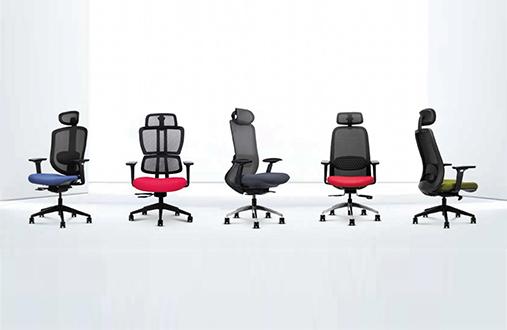
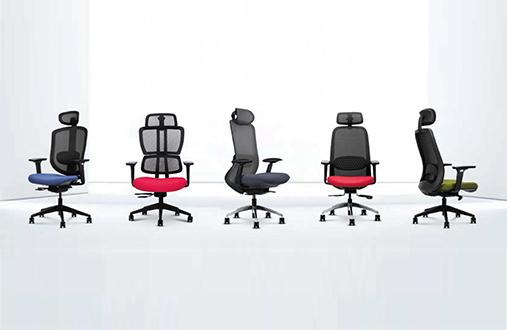
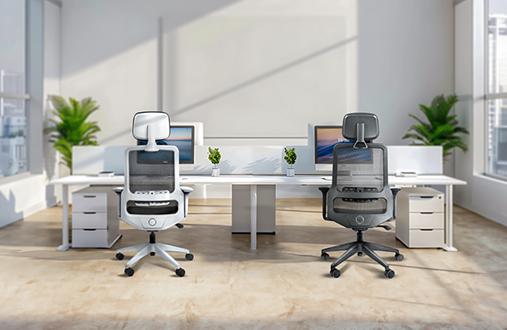
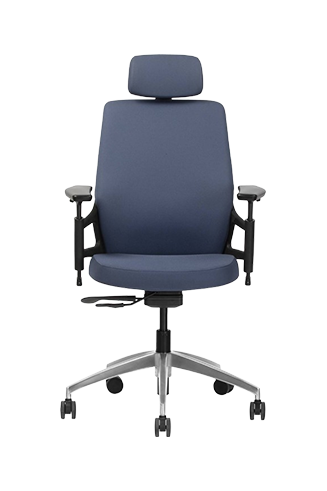
Commercial seating designed for high-occupancy environments often incorporates features such as reinforced frames, breathable mesh backs, and adjustable ergonomic support to improve durability and user comfort. Models such as the Wipro Adapt Silver combine BIFMA-certified construction with ergonomic adjustments intended to support prolonged sitting, while mesh-backed designs can assist with airflow and weight distribution during extended use.
Materials make or break furniture longevity in shared environments. The right combinations of frames, mechanisms, upholstery, and components determine whether an investment thrives or merely survives.
Frame construction forms the skeleton that supports everything else. Heavy-gauge steel with robust engineering handles the stress of constant use across diverse body types. Look for frames with reinforced stress points, quality welds, and protective coatings that resist corrosion.
Metal or hardwood frames ensure longevity compared to plastic alternatives. Steel frames offer the best strength-to-weight ratio while maintaining sleek aesthetics. Aluminium provides lighter options for easily reconfigurable spaces. Avoid frames with multiple plastic components in high-stress areas—these become weakness points over time.
Upholstery faces the dual challenge of comfort and cleanliness in shared environments. Stain-resistant and easy-to-clean materials prove essential when multiple users occupy the same seat daily. Modern performance fabrics combine durability with comfort while simplifying maintenance.
Mesh backs offer excellent breathability for warm climates and extended sitting sessions. They dry quickly after cleaning and resist odour absorption. High-grade polyester meshes maintain tension over years of use. For seat cushions, consider moisture-resistant foam cores wrapped in breathable, cleanable covers. This combination balances comfort with practical maintenance needs.
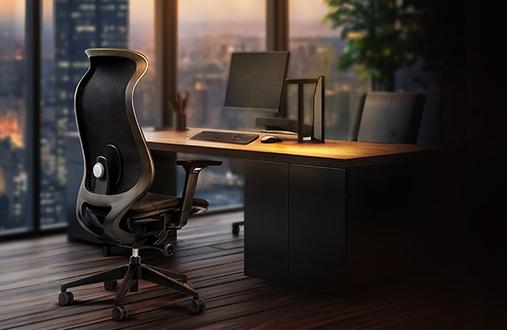
Some commercial seating designs also incorporate perforated seating surfaces and airflow-focused construction to improve thermal comfort during prolonged use. Chairs such as the Wipro Aerosit integrate features like perforated seats and Aeroflow technology to promote ventilation and support more even weight distribution, helping reduce heat buildup and pressure concentration during extended sitting periods.
Co-working spaces attract professionals across all industries, body types, and working preferences. The seating must adapt to this diversity while remaining intuitive for users unfamiliar with specific models.
Creating truly inclusive seating requires understanding the anthropometric range from 5th percentile females to 95th percentile males. This spans significant variations in height, weight, and body proportions. Essential adjustments help each user find their comfortable, productive position.
• Seat height: Accommodates users from 5'0" to 6'4" with proper thigh support.
• Seat depth: Prevents circulation issues with a 2-3 finger gap behind the knees.
• Lumbar support: Adapts to different spine curves and sitting preferences
• Armrest height and width: Supports relaxed shoulders across various body frames
• Backrest angle: Enables position changes throughout the day
Beyond adjustability, inclusive design considers ease of use. Complex adjustment mechanisms frustrate users racing against deadlines. Intuitive controls—clearly marked, smooth-operating, and tool-free—encourage proper ergonomic positioning. Visual indicators or simple pictograms help unfamiliar users optimise their setup quickly.
Quality seating represents more than a line item in a budget—it directly impacts member satisfaction, retention, and the space's reputation. Understanding these connections helps justify appropriate investment levels.
Member comfort influences every interaction with your space. Comfortable employees experience less fatigue and discomfort, maintaining focus throughout demanding workdays. This daily experience shapes their perception of your space's value proposition.
The numbers support prioritising ergonomic quality. Indian workplaces see 76% of employees experiencing work-related musculoskeletal disorders, with poor seating as a primary contributor. When members associate a space with comfort and wellbeing rather than backache and fatigue, renewal decisions become easier. Word-of-mouth recommendations flow naturally when people feel good in an environment.
Ergonomic investments can deliver measurable returns through multiple channels, including improved comfort, reduced fatigue, and greater operational efficiency. Research across industrial and office environments has linked ergonomic interventions with significant productivity improvements, particularly in repetitive and physically demanding tasks. While co-working tasks differ, the principle remains: comfortable workers accomplish more.
|
Investment Area |
Short-Term Returns |
Long-Term Benefits |
|---|---|---|
|
Quality Seating |
Reduced complaints |
Lower replacement costs |
|
Ergonomic Features |
Higher satisfaction scores |
Premium membership justification |
|
Durable Materials |
Professional appearance |
Consistent aesthetics over years |
|
Easy Maintenance |
Lower cleaning costs |
Extended furniture lifespan |
Poor ergonomics contributes significantly to global productivity losses, particularly through musculoskeletal disorders, fatigue, and reduced efficiency, which collectively cost businesses billions annually. Members feel these impacts whether they work for themselves or larger organisations. Position the space as supporting their success through thoughtful furniture choices.
Effective layouts balance member density with comfort, creating environments that feel spacious despite efficient space utilisation. Thoughtful planning prevents the cramped feeling that drives members to seek alternatives.
Workspace density directly impacts member experience and operational efficiency. Maintaining some clearance around furniture ensures comfortable movement without collisions or disruptions. This spacing allows members to push back chairs, access storage, and move between zones without disturbing neighbours.
Resist the temptation to maximise desk count at the expense of comfort. Overcrowded layouts create stress, reduce productivity, and ultimately lower member satisfaction. Calculate realistic capacity based on peak usage patterns rather than theoretical maximums. Members value breathing room and will choose spaces that provide it.
Modern professionals shift between work modes throughout the day. Large communal tables encourage collaboration, while private booths support focused work. The furniture selection and arrangement should support this natural rhythm.
Essential Zone Types:
• Focus zones: Individual desks with acoustic privacy
• Collaboration areas: Flexible seating around shared surfaces
• Phone booth spaces: Enclosed seating for private calls
• Casual zones: Comfortable seating for informal meetings
• Transition spaces: Standing-height options for quick tasks
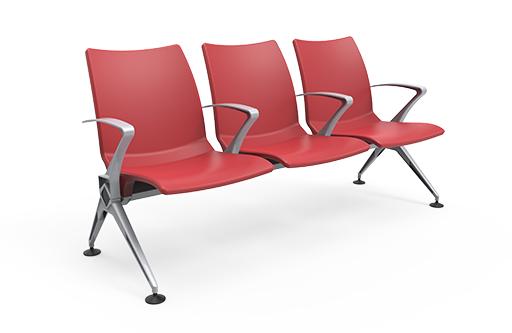
The Wipro Levitate Three Seater addresses these varied needs through purposeful design. From focused single chairs to collaborative seating options, each piece serves specific work modes while maintaining visual cohesion across the space.
A coworking space thrives when every element supports member success. Seating forms the foundation of this experience, touching every person who enters the environment. Commercial-grade durability ensures the investment lasts, while thoughtful ergonomics keeps members comfortable and productive through long work sessions.
The path forward requires balancing multiple priorities: durability that withstands intensive use, adjustability that accommodates diverse users, materials that simplify maintenance, and layouts that support varied work styles. When these elements align, a space becomes known for supporting member wellbeing and productivity. Consider exploring Wipro's ergonomic seating solutions designed specifically for the demands of modern shared workspaces.
1. How often should coworking furniture be replaced in high-traffic areas?
Quality commercial-grade coworking furniture with BIFMA certification typically lasts for 5-7 years. Monitor wear patterns, stability, and adjustment mechanisms annually. Replace individual pieces showing significant degradation rather than entire batches.
2. What's the ideal number of adjustment features for coworking chairs?
Essential adjustments include seat height, backrest angle, lumbar support, and armrest height. Too many complex features frustrate unfamiliar users. Focus on intuitive controls that accommodate 90% of users comfortably.
3. How can small coworking spaces maximise comfort with limited budgets?
Prioritise quality over quantity at first. Buy fewer high-grade chairs that last rather than filling space with inferior options. Consider certified refurbished commercial furniture. Phase expansion as membership grows and revenue allows.
4. Which upholstery materials work best in monsoon climates?
Mesh backs prevent moisture retention during humid months. Quick-dry fabrics with antimicrobial treatments resist mould and odours. Avoid leather or non-breathable synthetics that trap humidity against users' bodies.
5. What warranty terms should operators expect for commercial coworking furniture?
Reputable manufacturers offer 3 to 5-year warranties on commercial seating. Verify coverage includes mechanisms, cylinders, and structural components. Understand maintenance requirements that preserve warranty validity. Local service availability is relevant for quick issue resolution.