


Search Here
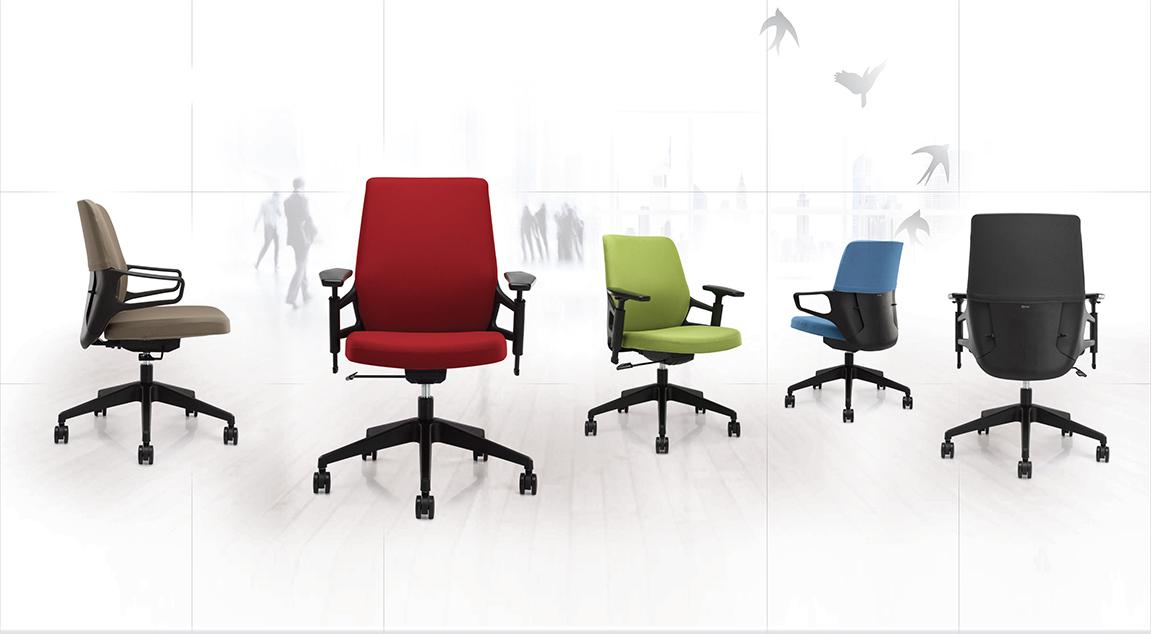
Table of Contents
|
Every workplace tells a story through its seating. The chairs a team uses day after day quietly influence the posture during focused work, the comfort through lengthy meetings, and the energy levels as afternoon deadlines approach. When those chairs fall short, employees notice it in their backs, shoulders, and overall wellbeing.
For organisations sourcing wholesale office chairs, the stakes extend beyond furniture procurement. Thoughtful seating choices become preventive care, supporting teams through the demands of modern desk-based work while reflecting genuine concern for employee wellness.
The relationship between seating and health runs deeper than most organisations realise. Before examining specific features and supplier criteria, understanding this connection helps procurement teams appreciate why quality matters.
Professionals in metropolitan centres routinely spend more than 6 hours seated at desks, creating cumulative strain that affects long-term health. The consequences of inadequate seating extend well beyond temporary discomfort.
Medical research reveals that conditions traditionally appearing in people's fifties now emerge a decade earlier among desk-bound workers. These include early signs of cardiovascular issues, metabolic concerns, and chronic musculoskeletal problems linked to prolonged poor posture. When employees sit in chairs that fail to support the spines properly, the effects compound over months and years.
IT professionals, BPO employees, and startup teams regularly work long shifts at the desks. Without proper ergonomic support, these extended hours accelerate wear on the lower back, neck, and shoulders.
Employees using ergonomic seating report significantly lower rates of musculoskeletal discomfort compared to those using standard chairs. This reduction in physical strain translates directly into workplace performance.
Comfortable employees demonstrate improved concentration, experience fewer headaches, and maintain higher energy levels throughout a workday. When a team spends less mental energy managing physical discomfort, that focus can be directed toward meaningful work. For organisations evaluating office chair wholesale purchases, this productivity connection strengthens the business case considerably.
Moving from understanding the importance of quality seating to actually sourcing it requires clear evaluation criteria. The following considerations help procurement teams navigate supplier selection with confidence.
When purchasing wholesale office chairs in bulk, certifications provide independent verification that goes beyond manufacturer claims. BIFMA (Business and Institutional Furniture Manufacturers Association) standards represent the global benchmark for office seating safety and durability.
The ANSI/BIFMA X5.1 standard evaluates chairs for structural integrity through numerous cycles of use, simulating over a decade of daily operation. Chairs meeting this standard have been independently tested, offering assurance that far outlasts non-certified alternatives.
Additional certifications worth noting:
CII Green Pro: Ensures low chemical emissions, contributing to healthier indoor air quality
ISO 9001: Reflects adherence to international quality management processes, ensuring manufacturing consistency
These certifications aren't self-reported specifications. They represent third-party verification that the chair meets rigorous safety and performance benchmarks.
A genuinely ergonomic chair adapts to the human body rather than forcing the body to adapt to it. This fundamental principle guides quality seating design across all price points.
True ergonomic chairs support the spine's natural curves, distribute weight evenly across the hips, and maintain proper arm positioning relative to the desk. Unlike standard plastic or leatherette chairs, quality ergonomic seating offers multiple adjustment points that accommodate diverse body types.
For organisations purchasing office chairs wholesale, this adjustability becomes crucial. The workforce includes people of varying heights, weights, and body proportions. Chairs that adjust across meaningful ranges serve more employees effectively.
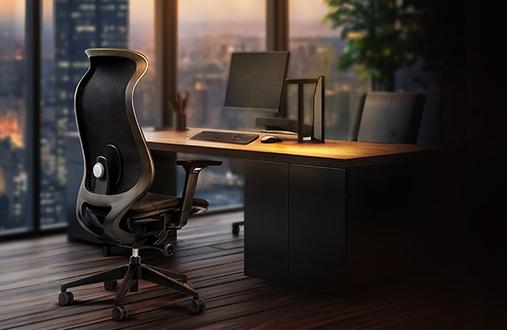
Many contemporary ergonomic chairs also incorporate adaptive technologies that reduce the need for extensive manual adjustments. For example, the Wipro Adapt chair features an automatic weight-sensing mechanism that responds to the user's body weight, helping maintain balanced support for different individuals. It also combines a breathable mesh back with a perforated seat to encourage airflow and improve comfort during prolonged sitting. Rather than relying on a one-size-fits-all design, features like these illustrate how modern ergonomic seating can better accommodate shared workplaces and diverse users.
Understanding specific ergonomic features helps procurement teams evaluate wholesale offerings more effectively. Each feature addresses particular aspects of seated comfort and long-term postural health.
When seated, the pelvis naturally rotates backward, flattening the spine's inward curve at the lower back. Quality chairs provide counterforce to maintain this natural lordosis, preserving what ergonomists call the "spinal neutral position".
Adjustable lumbar support allows employees to position this support precisely where the lower backs need it most. This customisation helps align the spine, reduces muscle strain, and promotes better posture over time. Employees maintain more upright positions naturally, avoiding the slouching that contributes to chronic discomfort.
The most effective wholesale office chairs offer adjustment across multiple dimensions:
|
Adjustment Type |
What It Controls |
Why It Matters |
|---|---|---|
|
Seat Height |
Distance from floor |
Keeps thighs parallel to ground, feet flat |
|
Seat Depth |
Forward-back position |
Maintains 2-3 inches between seat edge and knees |
|
Armrest Height |
Vertical arm position |
Reduces shoulder tension during typing |
|
Backrest Recline |
Tilt angle |
Encourages movement and position changes |
These adjustments accommodate the anthropometric diversity within any workforce. A chair that works well for a 5'2" employee should also support a 6'1" colleague when properly adjusted.
Armrests deserve particular attention. Without them, shoulders and upper back bear excess burden, leading to strain over time. Adjustable armrests allow employees to position their arms comfortably while getting close to their desks without obstruction.
Material selection significantly impacts both comfort and durability in office chair wholesale purchases. Climate considerations become particularly relevant for workplaces dealing with warm, humid conditions.
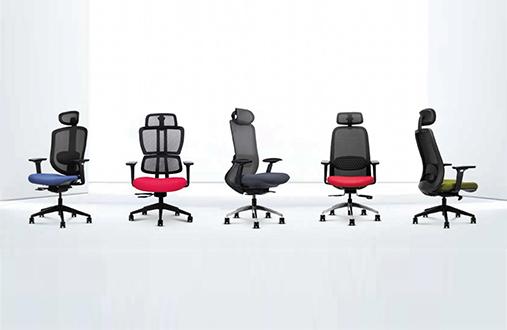
Breathable mesh backs offer superior airflow compared to solid cushioned alternatives. They remain comfortable during extended sitting sessions and adapt well to air-conditioned environments. Many modern ergonomic chairs incorporate breathable mesh materials alongside advanced recline systems and flexible support zones.
|
Quality Insight: Why Materials Matter Long-Term The foam density in seat cushions, the weave quality in mesh backs, and the durability of frame construction all determine how chairs perform over years of daily use. Initial comfort means little if it deteriorates within months. Quality materials maintain the supportive properties through thousands of hours of sitting. |
Frame construction affects both durability and warranty coverage. Steel frames typically outlast plastic alternatives, while quality caster systems ensure smooth movement without floor damage.
Selecting the right supplier involves considerations beyond the chairs themselves. Reliability, service support, and long-term partnership potential all influence procurement success.
Forward-thinking organisations now view ergonomic seating as a preventive healthcare investment rather than a simple furniture expense. This perspective shifts evaluation from initial purchase price toward total cost of ownership.
India's ergonomic chair market has reached USD 374.39 million in 2025, reflecting growing organisational investment in quality seating. This market growth stems from increased awareness that cheap chairs often prove expensive over time through replacement costs, employee discomfort, and potential health-related absences.
When evaluating wholesale office chairs, consider the following:
Warranty duration and coverage: Longer warranties typically indicate manufacturer confidence.
Parts availability: Can components be replaced rather than requiring full chair replacement?
Service networks: Does the supplier maintain local support for bulk orders?
Certification documentation: Can they provide verifiable third-party testing reports?
Bulk procurement requires suppliers capable of consistent delivery, quality control across large orders, and responsive communication. Several factors distinguish reliable wholesale partners:
Documentation transparency matters significantly. Quality suppliers provide clear specification sheets, certification verification, and honest guidance about which products suit particular workplace needs. Features are not oversold, and false claims about the product are absent.
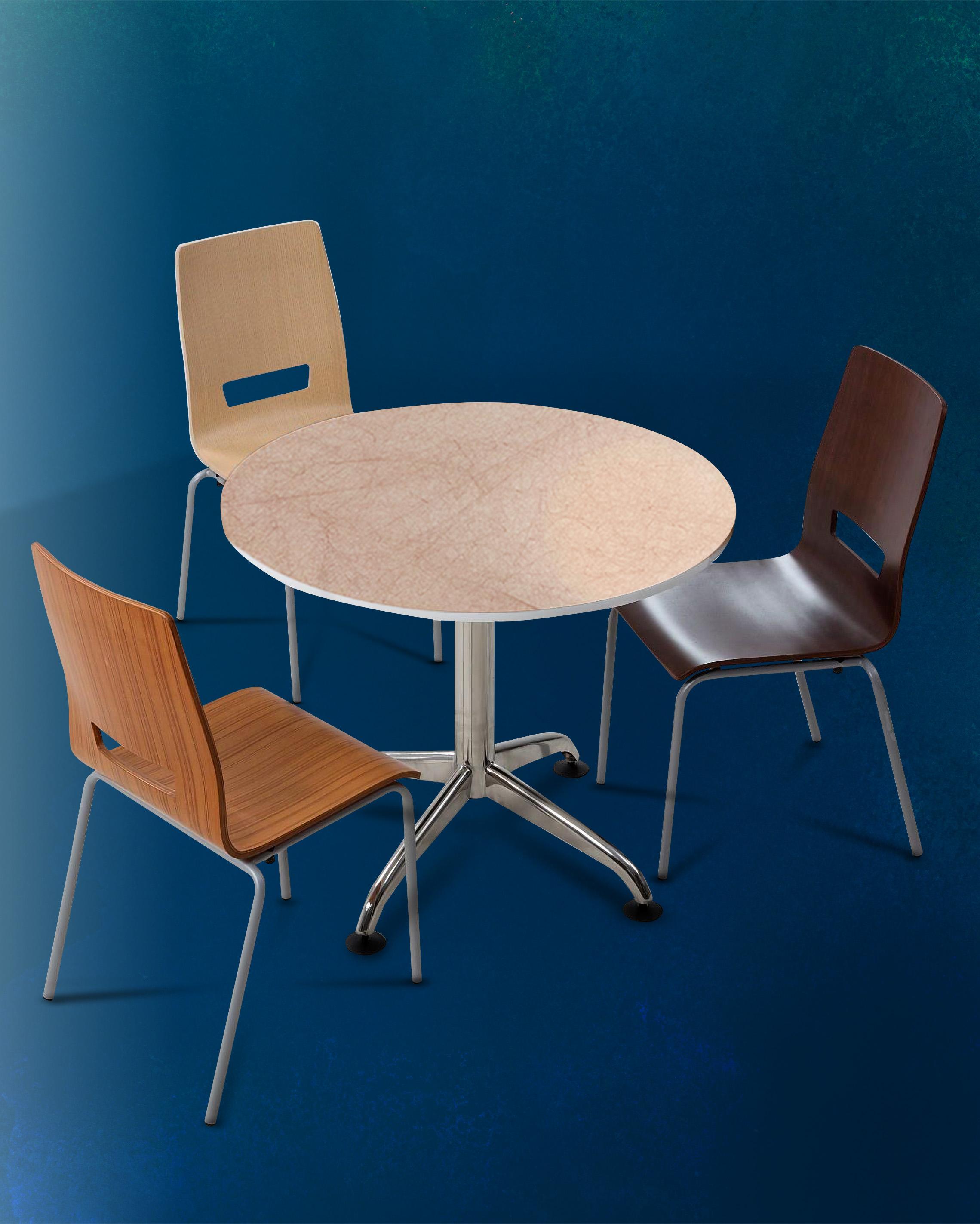
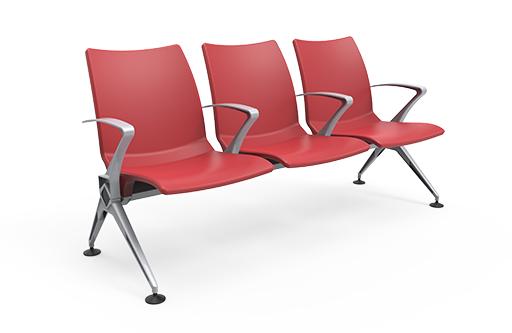
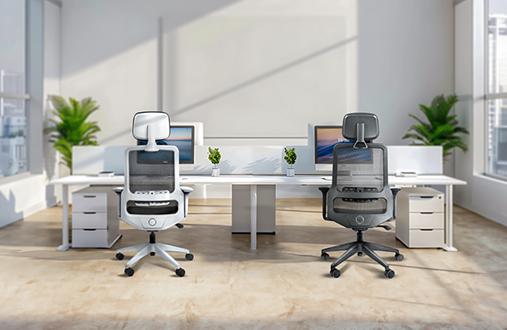
Ergonomic consultation adds substantial value. Suppliers who understand workplace wellness can recommend appropriate seating for different roles, from focused desk work to collaborative spaces. The trend toward activity-based working means different spaces within the same office may benefit from different seating solutions.
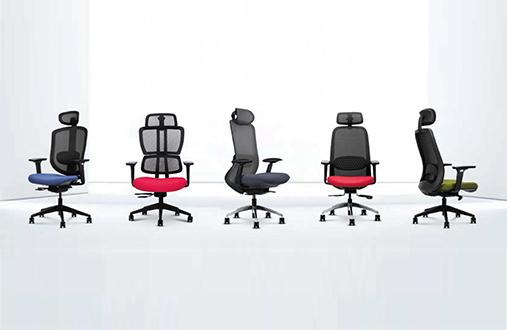
Customisation capabilities help organisations create cohesive workplace aesthetics. Colour options, fabric choices, and finish variations allow bulk orders to align with existing office design languages.
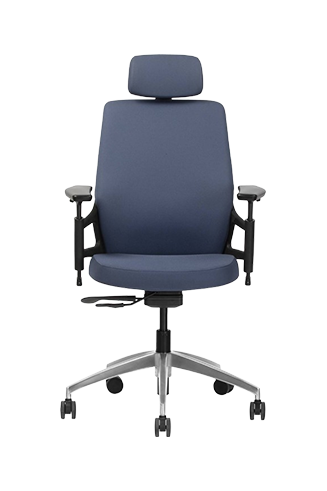
Chairs like the Wipro Of Course, do not just instil confidence in buyers thanks to the heavy and reliable documentation behind them but also due to the ergonomic features and variable options like mid-back and high-back options.
Quality seating forms the foundation of ergonomic workspace design, though it operates within a broader context. The chair works alongside desk height, monitor placement, lighting quality, and movement habits to create genuinely supportive environments.
Even the best ergonomic chair cannot eliminate the effects of prolonged static sitting. To encourage healthy movement throughout the workday, Professor Alan Hedge, Professor Emeritus of Ergonomics at Cornell University, recommends the 20-8-2 rule. For every 30-minute period, spend 20 minutes sitting, 8 minutes standing, and 2 minutes moving, such as walking or stretching. This approach promotes regular posture changes, encourages circulation, and reduces the risks associated with remaining in one position for extended periods. Combined with a well-designed ergonomic chair, the 20-8-2 rule helps create a healthier and more comfortable workstation.
Sourcing wholesale office chairs thoughtfully requires balancing immediate budget considerations with long-term wellness investments. The chairs an organisation selects today will support the team's posture, comfort, and productivity for years to come. Taking time to understand certifications, evaluate ergonomic features, and select reliable suppliers pays dividends in employee satisfaction and workplace health.
Wipro's ergonomic office chair collections offer procurement teams a range of options designed with daily workplace comfort in mind. The task- and zone-seating combines adaptive support, quality materials, and thoughtful design for organisations investing in their teams' well-being.
1. What certifications should organisations verify when purchasing wholesale office chairs?
BIFMA X5.1 certification provides the most rigorous independent verification of safety and durability. ISO 9001 confirms quality manufacturing processes, while the CII Green Pro certification ensures low chemical emissions for healthier indoor air.
2. How do ergonomic chairs reduce back pain compared to standard seating?
Ergonomic chairs provide adjustable lumbar support that maintains the spine's natural curve. This reduces muscle strain and prevents the slouching that causes cumulative lower back discomfort.
3. What features matter most when sourcing office chairs wholesale for diverse workforces?
Prioritise adjustable seat height, seat depth, armrest positioning, and lumbar support. These adjustments allow chairs to accommodate employees of varying heights, weights, and body proportions effectively.
4. Why do breathable mesh materials work better for warm office environments?
Mesh backs allow continuous airflow, preventing heat buildup during extended sitting. This maintains comfort in climate-controlled offices and reduces moisture accumulation compared to solid-cushioned alternatives.
5. What should procurement teams ask wholesale suppliers about service support?
Request information about warranty coverage, local service networks, replacement parts availability, and response times for bulk order issues. Reliable suppliers provide clear documentation and are responsive.