


Search Here

Table of Contents
|
Mild lower back pain often begins early in the day—perhaps during morning emails or midway through a video call. Over time, frequent posture adjustments and difficulty maintaining a comfortable position can lead to reduced focus due to persistent pain.
The spine experiences continuous strain during prolonged periods of sitting, such as meetings, report preparation, and extended afternoon work sessions. Applying strategies that provide both immediate relief and long-term support can improve comfort and overall work performance.
The numbers paint a concerning picture of workplace wellness across India. Research shows that numerous workers experience lower back pain, with IT professionals particularly affected due to extended desk time and inadequate workstation setups.
The spine faces unique challenges during those long hours at the desk. Studies reveal that prolonged sitting can overstretch spinal ligaments and strain the discs that cushion the vertebrae. The biomechanical impact goes deeper than simple muscle fatigue.
While sitting, the pressure within the lumbar discs increases approximately 30% compared to standing. This increased pressure compounds throughout each day, especially when there are posture shifts from the initial morning uprightness to an afternoon slump. Poor positioning creates abnormal pressure on tissues, and sitting for extended periods results in impaired oxygenation to discs, ligaments, and muscles.
Beyond physical discomfort, lower back pain creates ripples throughout every professional's life. The prevalence of pain among Indian professionals reaches 38.2% for upper body discomfort, with neck pain and lower back area issues each affecting 22.7% of workers. These statistics reflect actual experiences—the presentations affected by discomfort and the creative ideas hindered by physical strain.
The economic implications extend beyond individual suffering. According to workplace health research, absenteeism due to musculoskeletal issues increases in workplaces with poor ergonomics. Meanwhile, a majority of workers believe improved ergonomics would significantly enhance job performance. Back pain affects not just comfort but also the career trajectory, team contributions, and overall workplace satisfaction.
When pain strikes during a workday, immediate strategies are the most effective. These quick interventions bridge the gap between discomfort and lasting solutions, offering practical relief that can be implemented immediately.
Immediate relief starts with simple postural adjustments. Good sitting posture begins with maintaining lumbar lordosis – that natural curve in the lower back. If the chair lacks built-in support, a rolled-up towel placed at the lumbar region provides instant relief. This makeshift solution maintains spinal alignment while longer-term improvements can be explored.
Temperature therapy offers another quick intervention. For acute lower back pain episodes, cold or hot packs can provide temporary relief. Cold packs reduce inflammation and numb sore tissues, particularly useful after long sitting periods. Basic desk adjustments also help – ensuring that the feet rest comfortably on the floor with knees aligned to the hips provides steady relief throughout the day.
The most powerful quick fix costs nothing and requires no equipment – simply moving the body. Avoiding prolonged sitting by standing and moving periodically relieves pressure on your back and neck while decreasing stiffness. Research confirms that short, regular breaks of standing from a seated position reduce both the regularity and intensity of acute lower back pain.
Recent studies show that activity breaks can reduce neck and lower back pain by 55% and 66%, respectively. Even five-minute breaks make a significant difference. Setting hourly reminders on the phone, walking to the water cooler, or simply standing during phone calls. These micro-movements prevent muscles from locking into painful patterns.
|
Quick Fix Strategy |
Time Required |
Immediate Benefit |
Best Used When |
|---|---|---|---|
|
Posture Reset |
30 seconds |
Spinal realignment |
Every 30 minutes |
|
Lumbar Support Adjustment |
1 minute |
Reduced disc pressure |
Start of workday |
|
Standing Break |
2-5 minutes |
Muscle activation |
Every hour |
|
Desk Stretches |
3 minutes |
Tension release |
During transitions |
|
Temperature Therapy |
10-15 minutes |
Pain numbing |
Acute episodes |
While quick fixes manage symptoms, sustainable relief requires addressing the root causes of lower back pain through comprehensive ergonomic strategies and workplace design.
An office chair for lower back pain serves as the foundation of spinal health during work hours. Quality ergonomic seating addresses the biomechanical challenges of prolonged sitting through evidence-based design. Lumbar support systems reduce disc pressure and help prevent nerve compression in the lower back.
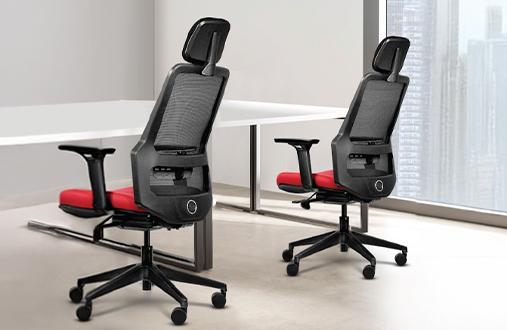
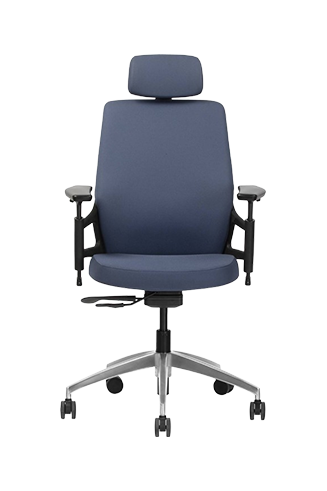
The effectiveness of proper support shows in the details. A chair should maintain a cushion that causes the lower back to arch slightly, preserving the lordotic curve as you tire throughout the day. Modern ergonomic solutions like Wipro's Alivio chair integrate specially designed lumbar supports that adapt to the spine's unique S-curve, providing consistent support both while leaning forward in concentration or relaxing during a break. It features both a height-adjustable headrest and an auto-weight-sensing mechanism, which doesn't just prevent disc compression but is also adaptable to all body types.
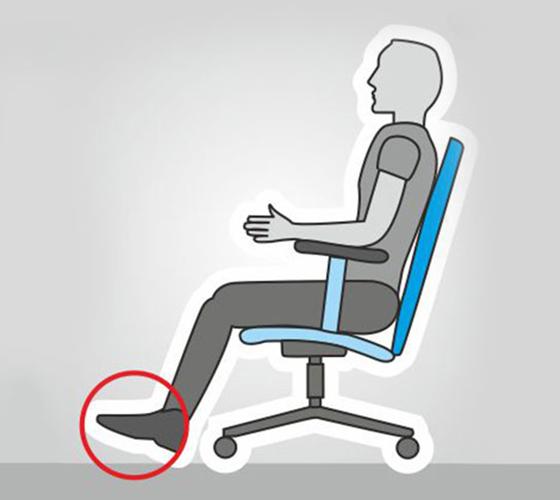
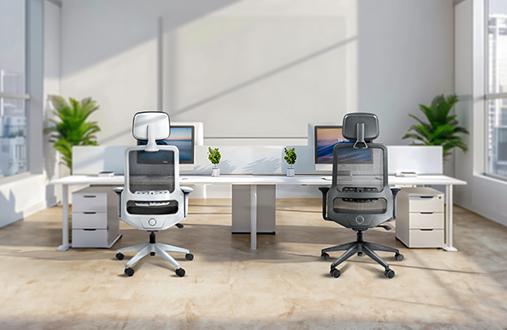
Beyond seating, comprehensive workstation design prevents lower back pain through holistic planning. The desk height plays a crucial role – knees should sit slightly below the hip level with feet flat on the floor. When elbows align with the desk height, the shoulders should remain relaxed, reducing cascading tension that often manifests as lower back discomfort.
Monitor positioning directly impacts spinal alignment. Keeping the screen at eye level allows your head to rest naturally, preventing the forward lean that strains your entire spine. For laptop users, external keyboards and monitor stands transform hunched positions into supported postures. Variable height desks represent another evolution in workplace ergonomics, with research showing that alternating positions maintains flexibility while reducing strain.
|
Design Insight: Movement as Medicine Quality ergonomic chairs don't lock users into one position. Features like forward tilt and balanced movement mechanisms encourage natural shifting throughout the day. This dynamic support prevents the static loading that leads to chronic pain. |
Understanding when to apply immediate relief versus investing in lasting solutions helps manage lower back pain effectively while building towards a healthier work life.
Quick fixes serve specific purposes in the pain management toolkit. They provide essential relief during acute episodes when discomfort disrupts focus. Use immediate strategies when proper ergonomic equipment isn't available – perhaps during travel, client visits, or temporary workspace arrangements. These methods also build awareness about postural habits, helping recognise patterns that contribute to discomfort.
Temporary solutions work best as bridges while you implement comprehensive changes. That rolled towel offers support while you research the right chair for lower back pain. Standing breaks maintain your productivity while your new ergonomic setup ships. Movement routines keep muscles engaged as you develop longer-term strength and flexibility habits.
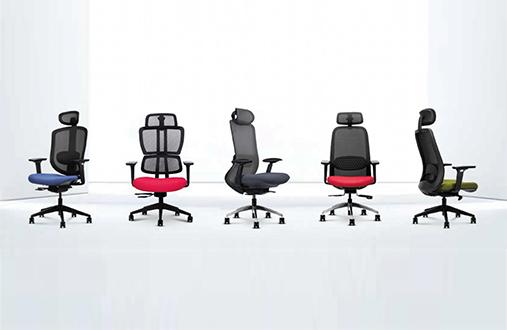
The shift from quick fixes to lasting relief requires strategic planning. Start by identifying the primary pain triggers – does discomfort peak during long meetings, focused coding sessions, or end-of-day report writing? This awareness guides the investment priorities. Wipro's Pulse chair addresses these varying needs through adaptive designs that support different work modes throughout your day. The 4-way adjustable lumbar support and tilt lock mechanisms allow for minute adjustments as well.
Implementation succeeds through phased approaches. Begin with one significant change – perhaps upgrading to a chair with proper lumbar support. Once that foundation settles, add complementary elements like monitor arms or footrests. Combine equipment upgrades with habit changes, integrating those helpful quick fixes as permanent wellness routines. Regular stretching transitions from emergency relief to preventive care. Standing breaks evolve from pain management to energy maintenance.
Long-term Benefits vs Quick-Fix Limitations
• Quick fixes: Immediate relief, low cost, high effort to maintain
• Long-term solutions: sustained prevention, initial investment, effortless daily support
• Combined approach: Immediate comfort while building lasting wellness
• Success metric: Reduced pain episodes, not just managed symptoms
Small changes compound into significant relief when both immediate and long-term approaches to lower back pain are understood. Those quick adjustments made today – the posture reset, the hourly stretch, the makeshift lumbar support – pave the way for comprehensive solutions that transform a workplace experience.
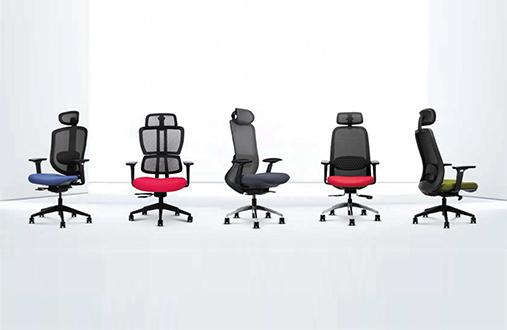
The spine bears the load during periods of challenge, deadlines, and achievement. Support spinal health through deliberate choices regarding sitting, movement, and work habits. Explore Wipro's task zone seating range designed to provide the adaptive support the back needs, turning daily discomfort into sustained comfort and productivity.
Immediate postural adjustments provide relief within minutes, while comprehensive ergonomic improvements show significant results within 2-4 weeks of consistent use. Combining quick fixes with long-term solutions accelerates overall improvement and prevents future episodes.
Adjustable lumbar support ranks as the critical feature, maintaining the spine's natural curve throughout extended sitting. Quality office chairs for lower back pain offer both height and depth adjustment, adapting to individual spine shapes and sitting preferences.
Research recommends standing or moving every 30-60 minutes for optimal spine health. Even brief 2-5 minute breaks significantly reduce muscle stiffness and disc pressure. Set regular reminders until movement becomes habitual.
Yes, quality ergonomic seating prevents pain by maintaining proper spinal alignment and reducing disc pressure substantially when compared to poor seating. Combined with good habits, proper seating forms the foundation of long-term spine health.
Adjusting the lumbar support, ensuring that the feet are flat on the floor, and raising the monitor to eye level offer immediate relief. Adding a rolled towel for quick lumbar support if the chair lacks proper adjustment features also helps.
Both work well when properly designed with lumbar support. Mesh offers better airflow for warm climates and longer sitting periods, while cushioned backs provide traditional comfort. Focus on adjustability and support quality over material type.
Quality ergonomic seating costs less than the productivity lost to lower back pain. Consider it preventive healthcare – investing in proper support now prevents costly medical treatments and work absences later.