


Search Here
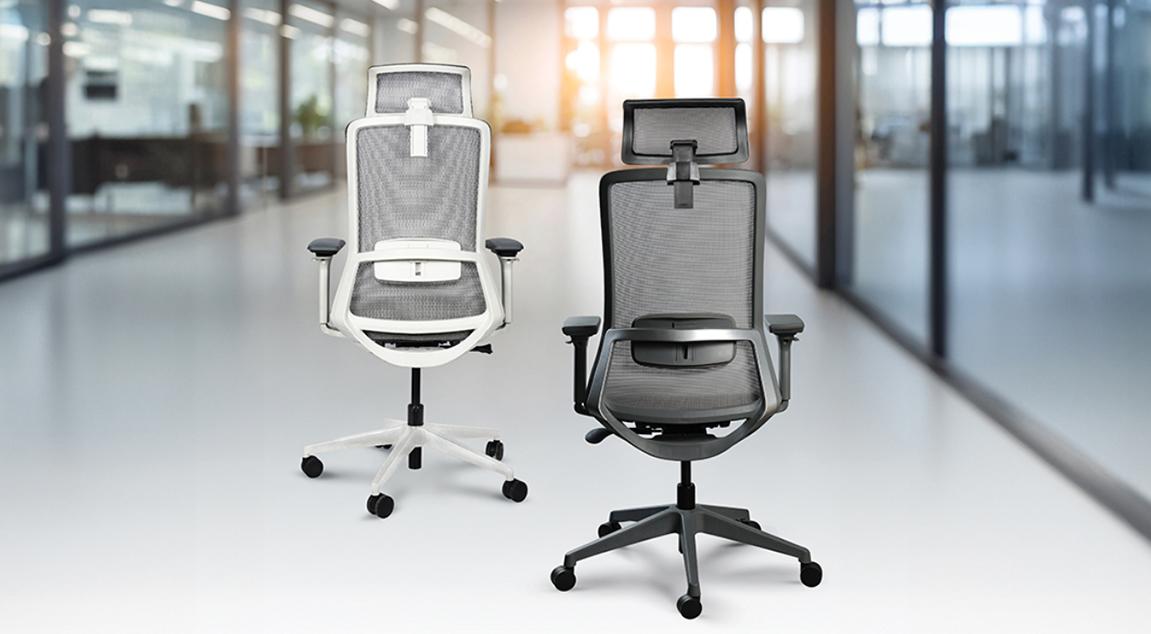
Table of Contents
|
That afternoon shoulder ache, the lower back tension during long meetings, and the fatigue that creeps in despite the morning energy go to prove how big a role a chair plays in these experiences. Understanding what ergonomics is helps recognise how seating affects the body throughout each workday.
The science of ergonomic seating goes beyond cushions and backrests. It's about creating harmony between the body's needs and workspace demands, supporting muscles that work hard to keep employees upright and focused all day long.
The body performs an impressive balancing act every time someone sits down. Muscles along the spine, shoulders, and core work continuously to maintain posture, even when feeling relaxed. This constant effort explains why poor seating leads to fatigue and discomfort over time.
Consider how a workday unfolds—morning video calls, afternoon deep focus sessions, quick stand-up meetings, and those end-of-day report reviews. Each activity demands different postures and support levels, challenging the body in unique ways.
When chairs lack proper support, the muscles compensate by working overtime. Research shows that chairs which can prevent abnormal strain of the neuromuscular system may aid in preventing musculoskeletal pain and discomfort. Without adequate lumbar support, the lower back muscles tighten to maintain spinal alignment. Shoulders hunch forward when armrests sit too low, creating tension that radiates up the neck.
The ripple effects extend beyond immediate discomfort. Muscle fatigue affects concentration, reduces productivity, and can lead to chronic pain patterns. Studies indicate that 76% of Indian workers across various occupations report work-related musculoskeletal disorders, highlighting the widespread nature of this challenge.
Beyond physical strain, poor seating impacts workplace performance in subtle ways. Being at work while unwell can cost employers two to three times more than absenteeism because employees are present but less productive. Those micro-breaks to stretch, position shifts to find comfort, and afternoon energy dips often trace back to inadequate support.
The financial implications reach surprising levels. In 2022, Indian employers incurred approximately 1,100 billion rupees due to poor mental health among employees, with 510 billion attributed to presenteeism. While mental health involves many factors, physical discomfort significantly contributes to workplace stress and reduced wellbeing.
What is ergonomics extends far beyond adjustable heights and cushioned seats. It represents a scientific approach to designing products that complement human capabilities and limitations. In seating, this means understanding anatomy, movement patterns, and the diverse ways people work throughout the day.
Modern ergonomic design considers how bodies move, not just how they sit. The best chairs support dynamic postures, encouraging natural shifts between focused work, relaxed thinking, and collaborative discussions.
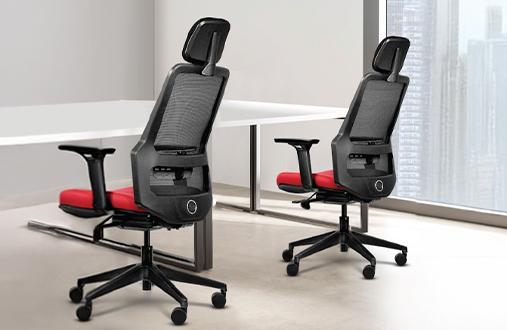
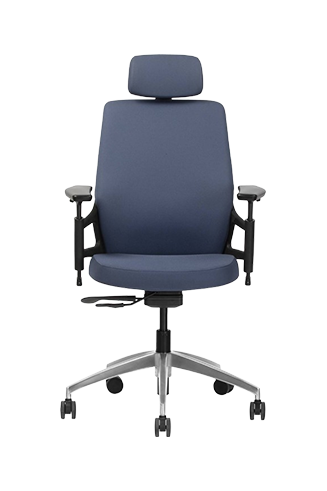
Take the Wipro Absolute Office Chair, for instance; it provides ample back comfort thanks to the wide lumbar support, comes with an automatic weight sensing mechanism which lets it easily adjust to differently shaped bodies, and also features 4D curved adjustable armrests.
The spine naturally forms an S-curve, with the lower back curving inward (lordosis) and the upper back curving outward (kyphosis). This design distributes weight efficiently while allowing flexibility. When properly supported, the natural curves of your spine distribute weight evenly, reducing stress on individual vertebrae and surrounding muscles.
Electromyographic (EMG) studies report that chairs with height adjustability plus adjustable backrests and armrests reduce muscle activity in neck, shoulder, and back regions. This measurable reduction in muscle workload translates directly to less fatigue and greater comfort throughout your workday. The Candid Office Chair from Wipro features a vertically adjustable lumbar support as well as 2D adjustable armrests. Additionally, it also sports an adjustable tilt locking mechanism, which exemplifies all the above-stated points.
The lumbar region bears significant responsibility in seated postures. The lumbar spine consists of five vertebrae (L1-L5) that assume a large percentage of upper body weight while remaining highly mobile for bending and twisting movements. This combination of load-bearing and flexibility makes proper support crucial.
When lumbar support systems align correctly with the natural lower back curve, they prevent the spine from flattening or slumping. Research validates these benefits—studies indicate lumbar support pads better preserve natural lumbar lordosis in both healthy individuals and those with lower back pain.
Understanding what ergonomic seating is means recognising how different chair elements work together to support the body. Each adjustable feature serves a specific purpose in reducing muscle strain and promoting healthy postures throughout varied work activities.
The most effective ergonomic chairs don't force people into one "correct" position. Instead, they provide adaptable support that moves with the person sitting, accommodating different tasks and personal preferences while maintaining proper alignment.
Adjustability of seat height and seat pan depth to match user anthropometrics represents the most commonly recommended intervention. But why do these adjustments matter so much? Each modification helps align the body optimally with a workspace:
Key Adjustments and Their Benefits:
|
Feature |
Purpose |
Muscle Groups Supported |
|---|---|---|
|
Seat Height |
Feet flat on floor, knees at 90° |
Reduces hip flexor strain, improves circulation |
|
Lumbar Height |
Matches natural spine curve |
Supports lower back muscles, prevents slouching |
|
Armrest Position |
Shoulders relaxed, elbows supported |
|
|
Backrest Tilt |
Dynamic support for varied postures |
Encourages movement, prevents static loading |
|
Seat Depth |
Proper thigh support without knee pressure |
Reduces hamstring tension, improves weight distribution |
Common discomforts include improper seat height, excessive seat depth, and inadequate lumbar support, forcing users into unnatural postures that increase muscle fatigue.
Beyond adjustability, materials play a crucial role in muscle support and comfort. Breathable mesh backs prevent heat buildup during long work sessions, while responsive cushioning adapts to the body's pressure points without creating hard spots.
Consider how materials perform in typical work environments—air-conditioned offices versus naturally ventilated spaces, morning freshness versus afternoon warmth. Quality materials maintain the supportive properties across these variations.
|
Design Insight: Temperature and Comfort The body temperature affects muscle tension. When the body is too warm, muscles work harder to maintain posture. Breathable materials help regulate temperature, indirectly supporting muscle health by maintaining comfort levels throughout the day. |
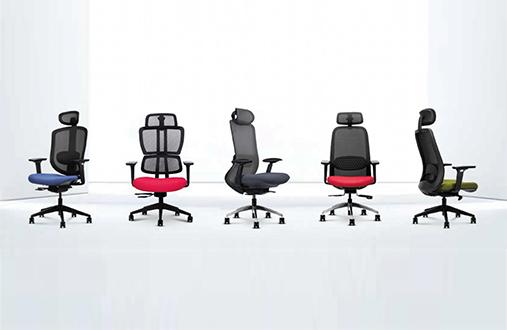
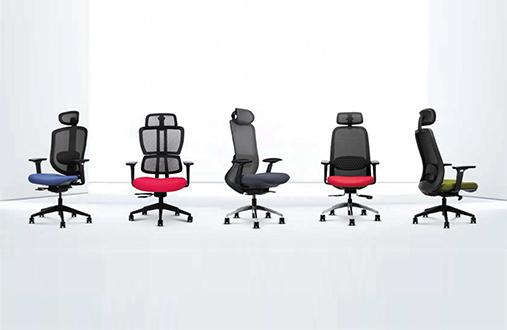
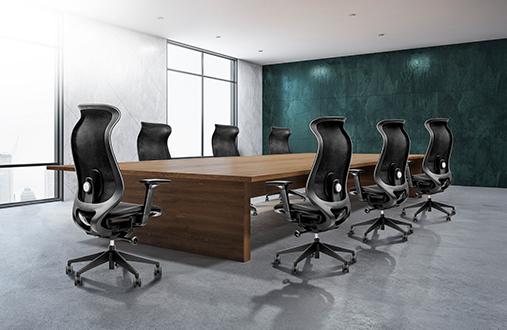
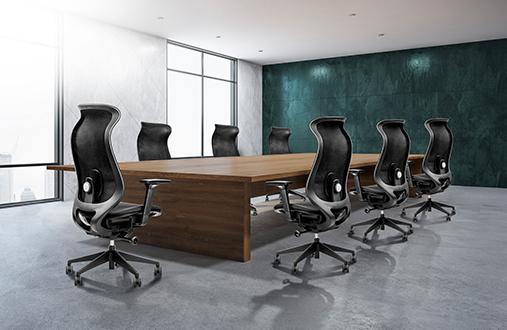
Wipro's Breathe Office Chair with mesh back incorporates these material considerations, using breathable meshes and adaptive cushioning that respond to your movements while maintaining consistent support through extended use.
Every body tells a unique story—height variations, proportional differences, past injuries, and personal preferences all influence ideal seating setup. Understanding what ergonomics is means recognising this diversity and knowing how to customise support for every specific need.
The journey to optimal comfort involves both understanding available adjustments and learning to interpret the body's feedback signals. This awareness transforms a standard office chair into personalised support that enhances daily experience.
Anthropometric variations influence chair effectiveness significantly, making proper adjustment crucial. Start with these fundamental settings:
A Personal Setup Checklist:
• Adjust seat height until the feet rest flat with knees at approximately 90 degrees.
• Position lumbar support at the natural lower back curve—usually around belt level.
• Set armrests so shoulders stay relaxed with elbows bent comfortably
• Adjust seat depth to support thighs while leaving 2-3 finger widths behind knees
• Fine-tune backrest tilt for a preferred working posture
Remember that participants receiving training in chair use and adjustment show better ergonomic outcomes. Taking time to understand a chair's capabilities pays dividends in daily comfort.
The body communicates through subtle signals long before pain develops. Learning this language helps make proactive adjustments rather than reactive corrections. Watch for these early indicators:
Shoulders creeping upward often signal armrests set too high or stress accumulation. Lower armrests slightly and consciously relax shoulders downward. Shifting weight frequently might indicate inadequate cushioning or poor pressure distribution. Consider seat depth adjustment or adding a supportive cushion.
Afternoon lower back tightness frequently stems from static postures rather than poor support. Quality ergonomic seating encourages movement through dynamic support mechanisms, allowing natural shifts between reclined thinking and upright focus positions. The Wipro That's it - Netted Office Chair can be a great option, as it features synchro-tilt with 3-point locking, adjustable armrests and an ergonomic backrest design.
Investing in ergonomic seating delivers returns that compound over time. Studies show ergonomic chairs increase productivity, with improvements most pronounced in the final hours of work sessions when fatigue typically peaks.
Beyond immediate comfort improvements, proper support helps prevent chronic issues that develop gradually. Many employees experience work-related musculoskeletal disorders while working from home, often due to makeshift seating arrangements. Professional ergonomic chairs provide consistent support whether in the office or working remotely. The relationship between comfort and cognitive performance runs deeper than many realise. When muscles work efficiently without strain, more energy remains available for creative thinking and problem-solving.
Consider ergonomic seating as preventive healthcare. Just as regular exercise maintains physical fitness, proper seating support maintains musculoskeletal health throughout an employee's career. The small daily benefits—less afternoon fatigue, fewer tension headaches, improved focus—accumulate into significant quality of life improvements over months and years.
Understanding what ergonomics is enables informed choices about daily comfort. Research shows that well-designed seating supports muscle health, reduces physical strain, and improves overall wellbeing. Small adjustments in sitting posture and chair settings can lead to noticeable improvements throughout the workday.
A chair represents more than office furniture—it's a wellness tool that supports an employee through challenges and achievements alike. Explore Wipro's comprehensive seating solutions to discover chairs designed with comfort, health, and productivity at heart.
Ergonomics means designing chairs that support natural body mechanics, reducing muscle strain. It involves adjustable features, proper spinal alignment, and materials that adapt to different body types and work styles.
Proper support distributes weight evenly, reducing constant muscle engagement. Adjustable lumbar support maintains spine curves while armrests prevent shoulder tension, allowing muscles to work efficiently without overcompensation.
Ergonomic seating creates measurable productivity, especially during fatigue-prone afternoon hours. Reduced discomfort means fewer breaks, better focus, and sustained energy throughout the workday.
Adjustable lumbar support ranks highest, followed by seat depth adjustment and dynamic backrest tilt. These features work together, maintaining natural spine alignment while accommodating movement throughout varied tasks.
While not medical treatment, ergonomic chairs reduce strain on affected areas. Proper support helps prevent pain escalation and supports healing. Always consult healthcare providers for persistent pain conditions.