


Search Here
Table of Contents
|
Think about a typical workday—the slight ache in the shoulders during afternoon calls, the mental fog after switching between multiple screens, or that persistent lower back discomfort. These signals from the body and mind point to something deeper than momentary discomfort.
The science of workplace ergonomics addresses these challenges through three interconnected approaches. Each type plays a vital role in creating workspaces that support rather than strain workers.
The types of ergonomics in the workplace form a comprehensive framework for employee wellbeing. Each dimension addresses different aspects of how workers interact with the work environment, tools, and tasks throughout the day.
Physical ergonomics represents the most visible aspect of workplace design. It focuses on how the body interacts with furniture, equipment, and workspace layouts. Research shows that proper physical ergonomics can increase productivity by up to 25% while reducing muscle fatigue by up to 60%.
The spine, muscles, and joints constantly adapt to the workspace. When a chair lacks proper lumbar support or the screen sits too low, the body compensates through awkward postures. Over time, these compensations lead to the musculoskeletal disorders that account for 34% of all workdays lost to occupational injuries. The right ergonomic workplace setup transforms these daily strains into supported, neutral positions that feel natural rather than forced.
Beyond physical comfort lies the mental landscape of work. Cognitive ergonomics examines how workplace design affects employees' perception, memory, reasoning, and decision-making abilities. This often-overlooked dimension shapes everything from software interfaces to task scheduling.
Consider how mental fatigue creeps in while juggling multiple software platforms or navigating poorly designed systems. Cognitive ergonomics works to simplify these interactions, creating interfaces and processes that match natural thinking patterns. When done well, it reduces errors, speeds up task completion, and preserves mental energy for creative problem-solving rather than fighting with confusing tools.
The broadest scope encompasses organisational ergonomics—the policies, processes, and structures that create systematic support for employee health. This dimension recognises that even the best chair cannot overcome poor work scheduling or unrealistic deadlines.
Organisational ergonomics includes flexible work arrangements, clear communication channels, reasonable break policies, and training programmes. It creates the framework within which physical and cognitive ergonomics can actually function. Without supportive organisational structures, individual ergonomic improvements often fall short of their potential.
|
Design Insight: The Three-Legged Stool Think of workplace ergonomics as a three-legged stool. Remove any one dimension—physical, cognitive, or organisational—and the entire structure becomes unstable. True workplace wellness requires all three working in harmony. |
The real power of understanding types of ergonomics in the workplace emerges when the interconnections are understood. Physical discomfort affects mental clarity. Cognitive overload increases physical tension. Poor organizational support undermines both body and mind.
Picture a typical scenario: Working on a complex project (cognitive demand) while sitting in an unsupportive chair (physical strain) with unclear deadlines (organizational gap). Each factor amplifies the others. The back pain distracts from problem-solving. Mental stress increases muscle tension. Unclear expectations create both physical and mental exhaustion. Conversely, when all three align—comfortable seating, clear tasks, supportive policies—workers experience what workplace wellness truly means.
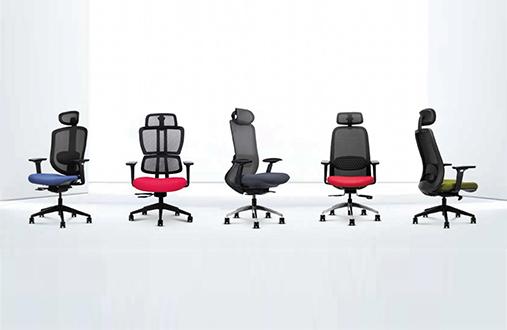
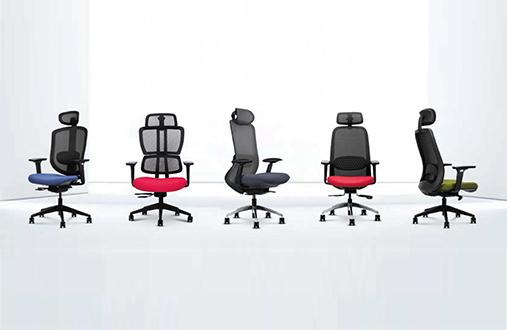
Chairs like the Wipro Immerse come in clutch in such situations thanks to features like the Aeroflo seat which allows for quick heat dissipation and even weight distribution. The fact that the chair is available in different sizes makes it multi-user-friendly.
Understanding the consequences of inadequate ergonomics helps organizations and individuals recognise the value of proper workplace design. The impacts ripple through personal health, team productivity, and organizational success.
Poor physical ergonomics creates a cascade of health issues. Studies from the Indian Journal of Occupational and Environmental Medicine confirm that improper posture is a leading cause of back pain among office workers. The average person in India works over 2,000 hours per year, often in less-than-ideal seating conditions.
The progression starts subtly—occasional stiffness becomes chronic pain. Reduced mobility leads to decreased activity. Energy drops, affecting both work performance and personal life. What begins as minor discomfort can develop into serious conditions requiring medical intervention, time off work, and long-term lifestyle adjustments. Organisations see this reflected in increased sick days, higher healthcare costs, and reduced team morale.
Cognitive ergonomics failures manifest differently but prove equally costly. Information overload, constant context switching, and poorly designed digital tools create mental exhaustion that mirrors physical fatigue. Every employee has felt it—that afternoon brain fog when simple decisions become difficult and creativity vanishes.
This cognitive strain reduces accuracy, slows response times, and increases errors. Teams spend more time correcting mistakes than moving projects forward. Innovation suffers when mental energy goes toward navigating confusing systems rather than solving real problems. The hidden costs include missed opportunities, delayed projects, and talented employees seeking less stressful environments.
Building an effective ergonomic workplace setup requires attention to both individual needs and collective workplace dynamics. The goal isn't perfection but progressive improvement that addresses your specific challenges.
The physical workspace forms the foundation of ergonomic health. Key elements work together to support natural body positioning throughout the day:
Seating That Supports Movement
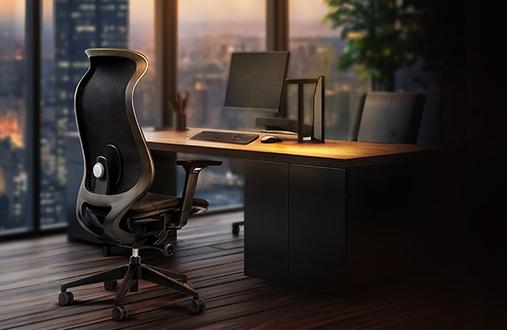
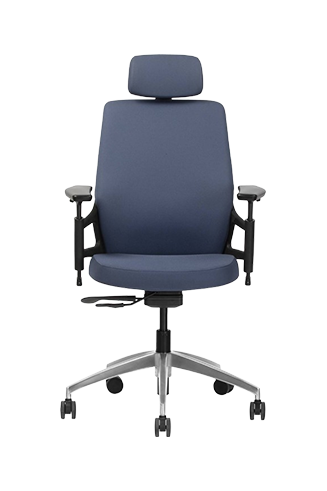
Quality ergonomic seating goes beyond static support. Wipro's Absolute Chair, for instance, exemplifies this principle through designs that encourage natural movement while maintaining spinal alignment. It also features an automatic weight sensing mechanism which helps it adapt to different users easily.
|
Element |
Basic Setup |
Ergonomic Standard |
Health Impact |
|---|---|---|---|
|
Seat Height |
Fixed position |
Adjustable to user |
Reduces leg strain, improves circulation |
|
Lumbar Support |
Minimal or none |
Adaptive, positioned correctly |
Prevents lower back pain |
|
Armrests |
Static or absent |
Height and width adjustable |
Reduces shoulder tension |
|
Backrest |
Rigid angle |
Dynamic recline with support |
Encourages movement, reduces fatigue |
Workspace Arrangement
Beyond seating, the entire workspace should promote neutral postures:
Monitor positioned at arm's length, top at or below eye level
Keyboard and mouse within easy reach, elbows at 90 degrees
Frequently used items within arm's reach to minimise stretching
Adequate lighting to prevent eye strain and awkward head positions
Cognitive ergonomics often requires subtler adjustments that yield powerful results. Start by examining the digital workspace—are the most-used applications easily accessible? Do notification settings support focused work or create constant interruption?
Simple changes make significant differences:
Organise digital files logically to reduce search time.
Use consistent naming conventions across projects.
Set specific times for email rather than constant checking
Create visual boundaries between different work areas
Physical environment also impacts cognitive function. Natural light boosts alertness. Plants improve air quality and mental clarity. Noise levels matter—some thrive with background music while others need silence. Understanding your cognitive preferences helps create conditions for peak mental performance.
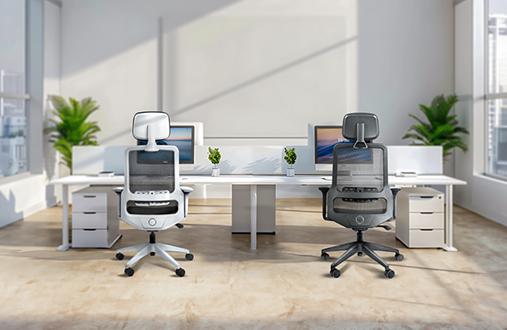
Today's workplace rarely fits the traditional cubicle model. From home offices squeezed into bedroom corners to hot-desking in dynamic coworking spaces, modern work demands flexible ergonomic solutions that adapt to varied environments and work styles. Understanding types of ergonomics in the workplace helps create healthy setups anywhere.
Remote workers face unique challenges—dining tables doubling as desks, limited space for proper equipment, and the absence of ergonomic assessments typically provided in corporate settings. Yet simple adjustments yield significant improvements. Stack books to raise laptop screens, use external keyboards to improve arm positioning, or invest in a quality cushion for lumbar support when a proper chair isn't feasible.
Hybrid workers navigate between home and office setups, requiring portable solutions and quick adjustment skills. Learning to rapidly assess and modify any workspace becomes essential. This might mean keeping a travel cushion for varied seating, knowing how to adjust any office chair properly, or maintaining consistent break schedules regardless of location. Chairs like the Wipro I'm Pro are designed to support the natural curve of the spine under all circumstances. Add to that the Automatic Weight Sensing Mechanism, and it can be used in multiple setups by different people.
The key lies in applying ergonomic principles rather than rigid rules. Whether employees are working from a coffee shop, shared workspace, or traditional office, the fundamentals remain: support the body's natural alignment, reduce cognitive load through organisation, and maintain movement throughout the day.
Creating a workplace that truly supports employee health requires understanding all types of ergonomics in the workplace. Physical comfort, cognitive clarity, and organisational support work together to build environments where people thrive rather than merely survive the workday.
Start with small changes—adjust the chair height, reorganise the digital workspace, or advocate for better break policies. Each improvement builds toward comprehensive workplace wellness. For those ready to make significant upgrades, exploring Wipro's comprehensive seating solutions offers professionally designed options that address the full spectrum of ergonomic needs.
The three types of ergonomics in the workplace are physical (body positioning and equipment), cognitive (mental processes and information design), and organisational (policies and structures supporting workplace health).
Poor ergonomics reduces productivity through physical discomfort, mental fatigue, and increased errors. Studies show proper ergonomic workplace setup can boost productivity by up to 25% while reducing sick days.
Seating typically has the greatest impact since office workers spend 6-8 hours sitting daily. Proper lumbar support, adjustability, and movement encouragement prevent musculoskeletal disorders.
Start with education about proper posture, encourage regular breaks, adjust existing furniture correctly, and gradually invest in key items like monitor stands or ergonomic accessories.
Yes, ergonomic habits formed early prevent future health issues. Poor ergonomics affects all ages, causing immediate discomfort and setting foundations for chronic conditions.
Conduct formal assessments annually or when roles change significantly. Encourage ongoing self-assessment as work patterns, technology, and physical needs evolve over time.