


Search Here
Table of Contents
|
A common ache between the shoulder blades and mid-afternoon fatigue often indicate the effects of prolonged sitting and inadequate seating support. Frequent shifts in position and the need for stretching reflect how well a chair accommodates the body during extended periods of desk work.
A well-designed chair provides consistent support for natural movement and proper posture throughout the workday without drawing attention to itself. Understanding different types of office chairs involves aligning work patterns, physical requirements, and workspace demands with designs that support, rather than restrict, daily performance.
A chair influences far more than momentary comfort. The ripple effects of inadequate seating touch every aspect of workplace performance and wellbeing, creating hidden costs that accumulate over months and years.
Poor seating quietly drains energy and focus throughout a workday. When basic comfort needs go unmet, the mind diverts attention from tasks to physical discomfort. Research shows that ergonomic furniture implementations increase productivity, while comfortable seating drives it even further in terms of work efficiency.
The connection runs deeper than simple distraction. Proper lumbar support maintains spinal alignment, reducing the muscle fatigue that clouds afternoon thinking. Quality armrests prevent shoulder tension from creeping into the neck, keeping headaches at bay. When employees feel physically supported, mental agility improves, creative problem-solving flows more freely, and engagement levels rise measurably. Companies implementing comprehensive ergonomic programmes see returns of up to 1.6 to 1 through reduced healthcare costs and improved output quality.
Beyond individual discomfort lies a broader organisational challenge. Studies reveal that over 65% of Indian IT and office workers report back pain linked to prolonged sitting. These numbers represent real people managing chronic discomfort, taking more sick days, and potentially developing long-term musculoskeletal conditions.
Sitting-related injuries emerge as serious occupational health concerns. Data entry operators, customer service teams, and finance professionals—roles requiring extended seated work—report higher instances of varicose veins, neck stiffness, and leg numbness compared to more physically active positions. Wipro's Adapt chair addresses these challenges through the automatic weight-sensing mechanism, supporting natural spine curves while encouraging micro-movements that keep circulation flowing. The investment in proper seating translates directly into healthier, more engaged teams who feel valued by the organisation.
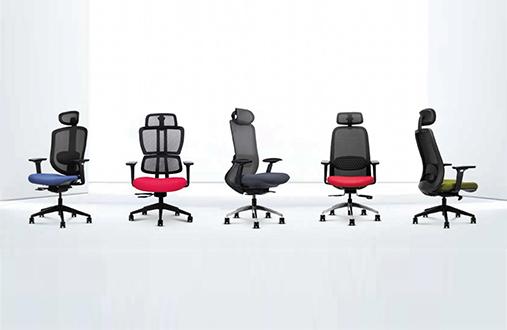
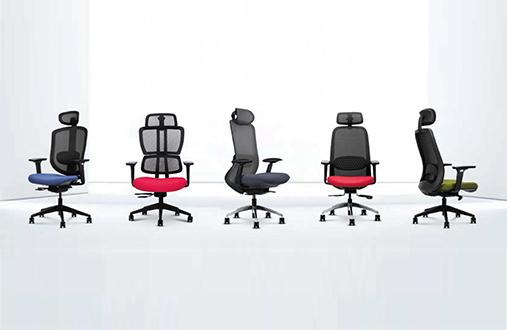
Task chairs represent the workhorse category of office seating, designed specifically for professionals spending six to eight hours or more at their desks. These versatile solutions adapt to diverse body types and work styles through comprehensive adjustability features.
Task chairs distinguish themselves through user-controlled flexibility. Unlike basic office seating, quality task chairs place adjustment mechanisms within easy reach—height controls, lumbar positioning, armrest configuration, and seat depth settings. This customisation philosophy recognises that no two bodies share identical support needs.
Among the various controls on modern task chairs, certain adjustments prove essential for daily comfort. Lumbar support stands as perhaps the most critical feature—the lower back's natural inward curve requires consistent reinforcement to prevent slouching. Quality chairs offer both height and depth adjustment for lumbar mechanisms, allowing precise positioning at your spine's curve rather than generic mid-back placement.
Seat depth adjustment, though often overlooked, dramatically impacts comfort for users of different heights. The ideal position maintains full back contact with the chair while leaving two to three fingers of space between the seat edge and your knees. This spacing ensures proper thigh support without restricting circulation. Combined with 4D armrests that adjust in height, width, depth, and pivot angle, these features create personalised support zones that adapt to unique dimensions and preferred working positions.
|
Adjustment Feature |
Standard Range |
Why It Matters |
Signs You Need It |
|---|---|---|---|
|
Seat Height |
Keeps feet flat, thighs parallel |
Dangling feet, pressure under thighs |
|
|
Lumbar Support |
Adjustable to support the natural curve of the spine between L3-S1 |
Maintains spine's natural curve |
Lower back pain, slouching tendency |
|
Seat Depth |
Supports thighs without knee pressure |
Can't reach backrest, legs feel compressed |
|
|
Armrest Height |
Adjustable to ensure that the elbows rest at approximately 90 degrees. |
Relaxes shoulders, supports forearms |
Shoulder tension, wrist strain |
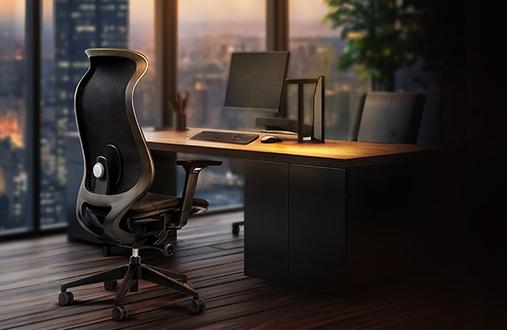
Leadership positions demand seating that performs double duty—projecting professional authority while providing superior ergonomic support for leaders who often work longer hours than their teams do. Executive chairs master this balance through thoughtful design details.
Executive chairs communicate position through visual presence without sacrificing the ergonomic features crucial for all-day comfort. Full-height backrests support the entire spine length, including often-neglected upper back and shoulder regions. This comprehensive coverage proves essential for executives moving between desk work, video conferences, and in-person meetings throughout their day.
The materials and construction quality of executive seating reflect durability expectations. Despite perceptions that executive chairs prioritise aesthetics over function, well-designed models incorporate the same ergonomic principles as task chairs—adjustable lumbar support, tilt tension control, and armrest positioning—wrapped in more refined packaging.
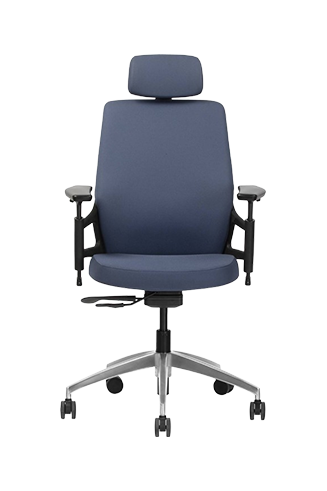
The Wipro Culture chair embodies all of the above-mentioned features while also featuring premium EPU craftsmanship, a knee tilt mechanism, and a durable high-crown aluminium base.
Material selection for executive chairs requires special consideration in Indian climates. The combination of monsoon humidity and air-conditioned environments creates unique challenges for seating surfaces. Premium mesh backs increasingly appear in executive designs, offering the breathability needed during power outages or eco-friendly temperature settings while maintaining the sophisticated appearance leadership roles demand.
Leather alternatives like high-quality leatherette provide traditional executive aesthetics with improved breathability and easier maintenance. These materials resist the cracking and discolouration that genuine leather suffers in humidity fluctuations. Memory foam seat cushions covered in moisture-wicking fabrics add another comfort layer, conforming to individual body contours while preventing heat buildup during extended use.
Beyond individual task and executive chairs, modern workspaces require diverse seating solutions for different activities and spaces. Understanding these categories helps create environments that support various work modes throughout the day.
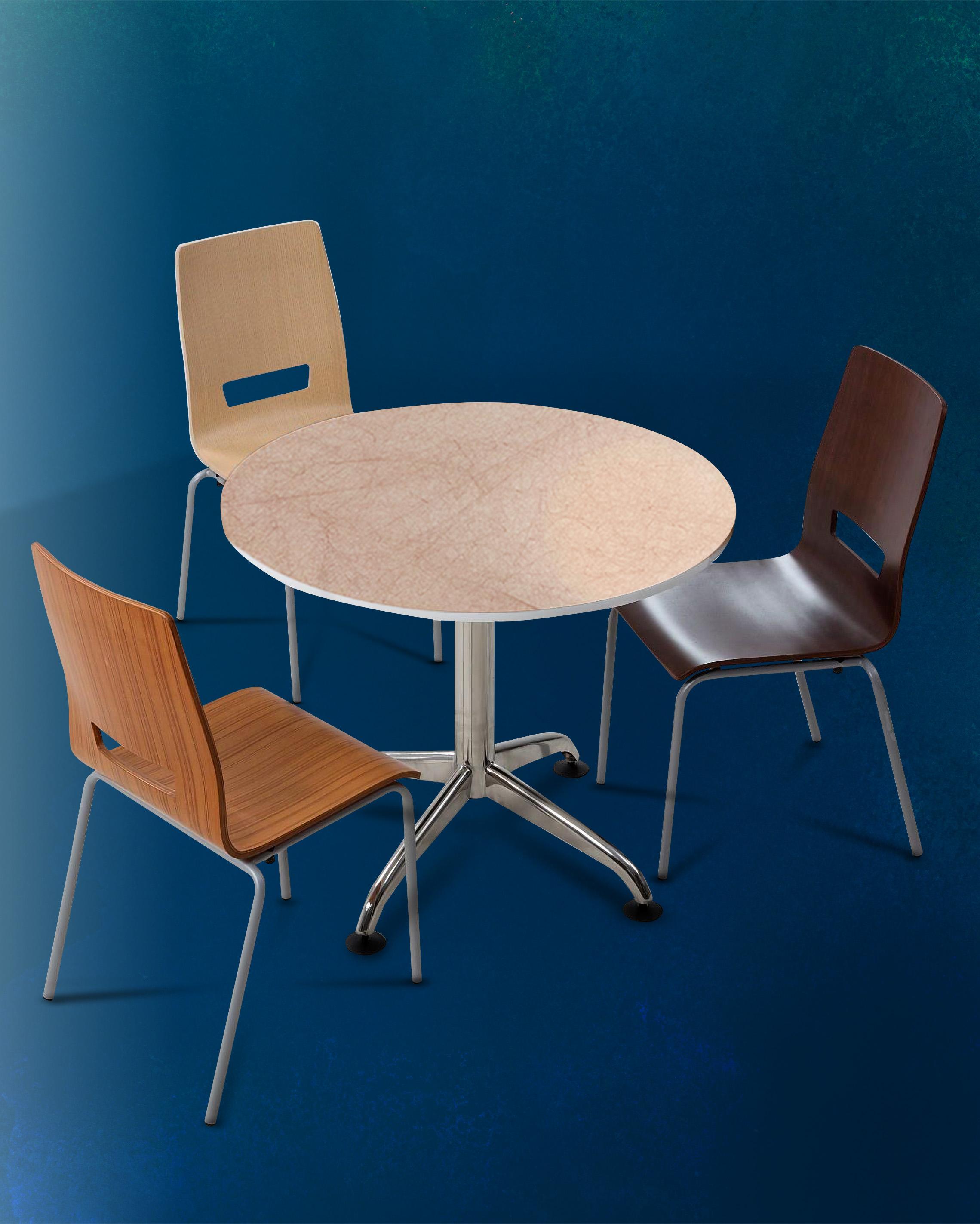
Conference chairs optimise for movement and interaction rather than solo-focused work. These designs prioritise clean profiles that allow easy navigation around meeting tables while providing adequate support for sessions that stretch beyond scheduled time. The best conference seating encourages active participation through swivel bases and comfortable cushioning that prevents fidgeting during lengthy discussions.
Meeting room chairs typically feature mid-height backrests that support the lumbar region without creating visual barriers between participants. Arms often tuck beneath table edges or feature flip-up designs, facilitating closer seating arrangements when collaboration intensifies. Quality conference chairs include tension controls that accommodate users of different weights as well.
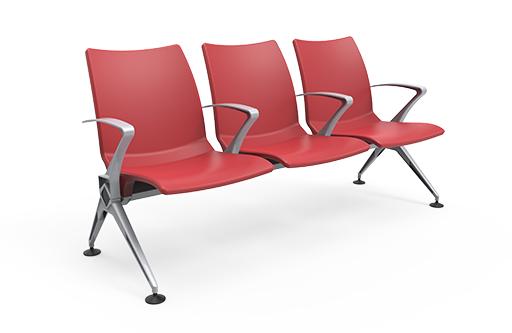
First impressions form quickly in reception areas and client meeting spaces. Visitor seating communicates organisational values through comfort and design choices. These chairs serve shorter-duration sitting but must accommodate diverse body types comfortably—from young job candidates to senior clients.
Modern visitor chairs balance aesthetic appeal with practical comfort features. Wider seats accommodate different body sizes, while firmer cushioning provides support without the sinking feeling that makes standing difficult. Stackable designs maximise space efficiency in multi-purpose areas, while easy-clean materials handle high traffic gracefully. The best visitor seating makes guests feel valued from the moment they sit down, setting positive tones for subsequent interactions.
Take the Wipro Transit in this instance; the lightweight and stackable design makes it easy to store and move around. It also showcases superior build quality thanks to the top-tier materials used.
|
Design Philosophy: Purpose-Driven Seating Every chair type serves distinct workplace needs. Task chairs adapt to individual bodies for all-day support. Executive seating balances authority with ergonomic care. Conference chairs enable dynamic collaboration. Visitor seating extends hospitality. Understanding these purposes guides better specification decisions. |
Quality office seating represents a long-term investment in workplace wellness. Different types of office chairs carry varying lifespan expectations based on construction quality, usage intensity, and maintenance practices. Task chairs in 24/7 call centres face different wear patterns than executive seating used primarily for meetings.
Industry standards suggest well-built ergonomic chairs should provide comfortable support for multiple years under normal office use. Chairs meeting BIFMA certification standards undergo rigorous testing simulating years of use, ensuring structural integrity and mechanism durability. Regular cleaning, periodic mechanism lubrication, and prompt attention to minor issues extend chair life significantly. The true cost calculation considers not just purchase price but years of productive comfort—making quality seating surprisingly economical over time.
Selecting appropriate seating requires matching chair capabilities to your specific work patterns, body needs, and workspace constraints. This final consideration brings together everything learned about different chair types into practical decision-making.
Typical workday activities should guide feature prioritisation when evaluating office chair styles. Professionals spending hours in focused computer work need different support than those moving between meetings and collaborative sessions. Consider the primary working positions.
Body proportions play crucial roles in feature selection. Taller users benefit from high-back designs and extended seat pans, while petite professionals need deeper adjustment ranges to achieve proper ergonomic positioning. Weight ratings ensure stable support and mechanism longevity. Making a checklist of the most important features with pros and cons can help significantly.
Building a supportive workspace extends beyond selecting a single perfect chair. Consider how different types of office chairs work together across an environment. Primary workstations deserve maximum ergonomic investment, while secondary seating can focus on specific-use requirements.
Encourage movement throughout the day by creating varied seating zones—a properly adjusted task chair at the main desk, a different seat type for reading or phone calls, and collaborative seating that promotes position changes. Even the best ergonomic chair benefits from regular breaks and position shifts. Remember that investing in quality seating demonstrates self-care and professional commitment to sustained performance.
Every workday brings unique challenges, deadlines, and opportunities. The chair supporting an employee through these hours either enhances their capabilities or slowly undermines them. Understanding different types of office chairs empowers informed choices that protect long-term wellness while boosting immediate comfort.
Quality seating does more than prevent discomfort—it actively supports an employee's best work by removing physical distractions and maintaining energy levels throughout demanding days. Whether it is a comprehensive task chair adjustability, executive presence with ergonomic integrity, or specialised seating for different workspace zones, options exist to match specific requirements. Explore Wipro's thoughtfully designed seating solutions to discover chairs engineered with your comfort, health, and productivity as primary considerations.
Task chairs with comprehensive adjustability serve extended computer work optimally. Look for models offering precise lumbar support, adjustable armrests, and seat depth controls.
Proper fit means feet flat on the floor, thighs parallel to the ground, a 2-3 finger gap between the seat edge and knees, the lower back supported by the lumbar curve, and relaxed shoulders with supported forearms.
Task chairs prioritise adjustability and movement for desk work. Executive chairs add full-height backrests, premium materials, and a commanding presence while maintaining ergonomic support for leadership roles requiring longer hours.
Quality ergonomic chairs typically last for many years with proper maintenance. Replace sooner if mechanisms fail, cushioning compresses beyond comfort, or persistent discomfort develops despite proper adjustment.
Mesh backs excel in warm environments through superior breathability and air circulation. Fabric suits climate-controlled spaces better, offering a softer feel and warmth during aggressive air conditioning.