


Search Here

Table of Contents
|
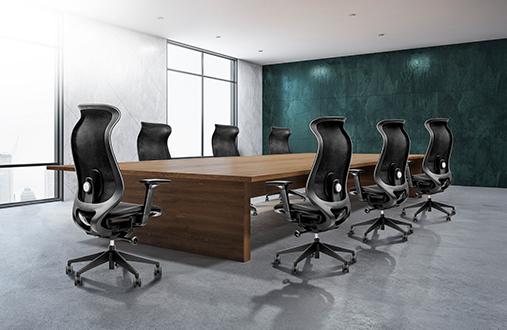
Every conference room chair supports different employees and probably knows their pressure points better than they do. It accommodates subtle posture shifts during budget discussions, forward-leaning positions during presentations, and the typical afternoon slump when energy levels decline.
The reality? Not all chairs reciprocate this intimate knowledge of regular workday needs. While quality seating works quietly to support posture and productivity, cheap office chairs extract a steep price that extends far beyond their bargain price tags.
A chair touches every aspect of a workday performance, from morning focus sessions to evening report reviews. The hidden costs begin accumulating the moment you settle into inadequate seating.
The physical toll starts subtly. First comes the slight lower back tension during long spreadsheet sessions. Then shoulder stiffness creeps in during video calls. Before long, users are seen shifting positions every few minutes, searching for comfort that never arrives. More than 52.5% of office workers report back pain linked to prolonged sitting, and cheap office chairs amplify this problem through poor support design.
The spine bears the burden of inadequate lumbar support, creating pressure points that radiate discomfort throughout the body. Compressed foam loses its cushioning ability within months, transferring stress directly to the tailbone and hips. The result? Chronic pain that follows users home, disrupting sleep and reducing overall quality of life.
Poor sitting positions do more than cause physical pain. They restrict lung capacity and blood flow, reducing oxygen supply to your brain and accelerating fatigue onset. When users are constantly adjusting positions or dealing with nagging discomfort, the cognitive resources get diverted from the task at hand.
Poor ergonomics can significantly impact output, with studies showing productivity differences of up to 25% between optimised and poorly designed work environments. For knowledge workers juggling complex projects and tight deadlines, this productivity drain translates into missed opportunities, delayed deliverables, and compromised work quality. Even a slight productivity drop across a 100-person company costs far more annually than investing in proper seating.
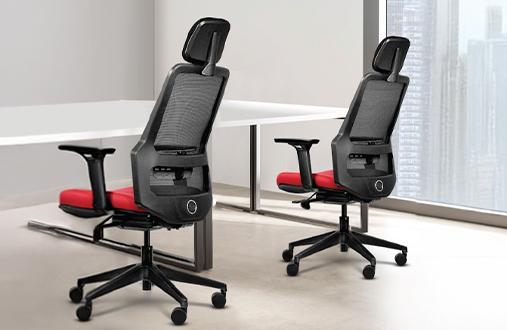
Budget options like the Wipro Smart tread this thin line very well, as they offer features like the Automatic Weight Sensing Mechanism, are well built using BIFMA-compliant parts and are within the budget of even small organisations.
The connection between seating quality and workplace performance runs deeper than most organisations realise. Every uncomfortable moment chips away at a team's potential.
Picture a typical Tuesday: morning enthusiasm gradually gives way to afternoon fatigue, with energy levels dropping faster than usual. Bad office chairs accelerate this energy drain through constant micro-adjustments and postural stress. The body expends valuable resources compensating for poor support instead of channelling that energy into creative problem-solving or strategic thinking.
The numbers tell a stark story. A 5-10% productivity drop per employee translates to thousands in lost value annually. For a professional earning ₹10 lakhs per year, that's ₹50,000-₹100,000 in reduced output – far exceeding the cost difference between budget and quality seating.
Time lost to discomfort compounds throughout the workday. Those five-minute breaks to stretch tight muscles, the concentration gaps while shifting positions, the early departures due to back pain – they all add up. Factor in the mental fatigue from fighting discomfort, and workers are looking at hours of productive time evaporating weekly.
When employees feel physically supported, they maintain focus longer, take fewer unnecessary breaks, and deliver higher-quality work. The productivity gains from quality seating often pay for the investment within months.
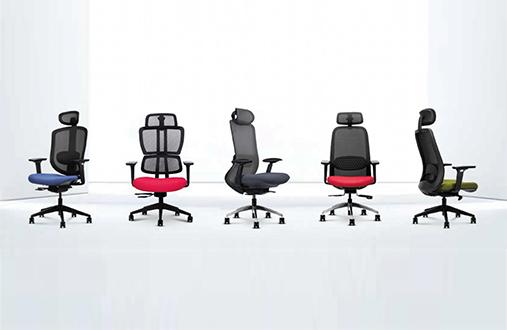
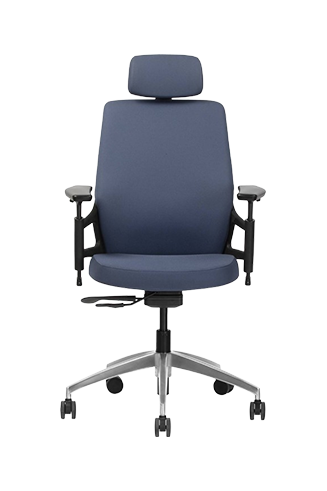
Chairs like the Wipro Alivio prove to be great companions thanks to features like the S-frame backrest, which perfectly supports the spine, and the adjustable headrest. The mesh back makes it a great companion for those hot Indian afternoons as well.
What seems like smart budgeting today becomes tomorrow's financial burden when cheap office chairs fail prematurely.
Low-quality chairs show structural wear within a few months of regular use. Inferior materials, basic construction methods, and minimal quality testing create products that simply cannot withstand daily workplace demands. Gas cylinders lose pressure, armrests wobble, and seat mechanisms jam – each failure disrupting work and requiring attention.
Consider the math: a ₹4,000 chair lasting 18 months means spending ₹12,000-₹16,000 over six years through replacements. Meanwhile, a well-built ergonomic chair might cost ₹15,000 upfront but last multiple years. The initial savings evaporate quickly, especially when multiplied across entire offices.
Foam compression presents the most subtle problem. Once seat cushioning loses density, it no longer distributes weight properly, shifting pressure directly to the spine. Cheap office chairs often use low-density foam that compresses permanently within months, creating uncomfortable pressure points that worsen over time.
Beyond comfort, degraded materials pose safety risks. Fraying fabric harbours allergens, broken plastic components create sharp edges, and failing hydraulics can cause sudden drops. For businesses managing 50 chairs or more, this degradation cycle becomes a serious operational and liability concern.
The health costs of inadequate seating extend far beyond occasional discomfort, impacting both individual wellbeing and organisational healthcare expenses.
Musculoskeletal disorders top the list of seating-related health problems. Back injuries alone cost employers $50 billion annually in the US, with similar patterns emerging across Indian workplaces. Bad office chairs contribute to a cascade of health issues: chronic lower back pain, neck strain, shoulder impingement, and hip flexor tightness.
These conditions often develop gradually and go unnoticed until they require medical attention. Workplace discomfort has been linked to poor sleep quality, which in turn contributes to fatigue, reduced productivity, and increased absenteeism. The long hours characteristic of modern work culture amplify these risks, with professionals developing serious conditions two decades earlier than previous generations.
Medical expenses for seating-related injuries quickly exceed any savings from cheap office chairs. Back injury claims average $16,215 ( approx. ₹1,51,3984) in treatment costs, not including ongoing physiotherapy, medication, and potential surgery. Organisations face both direct medical costs and indirect expenses through higher insurance premiums and workers' compensation claims. Quality seating represents preventive healthcare, reducing the likelihood of costly medical interventions while supporting employee wellbeing.
Beyond replacement and health expenses, cheap office chairs generate ongoing operational costs that drain resources and administrative time.
Maintenance requests for budget seating create constant disruptions. Loose screws need tightening, broken casters require replacement, and hydraulic failures demand immediate attention. These minor repairs accumulate into significant time investments, pulling facility teams away from strategic improvements.
Repair complexity varies widely, with simple fixes costing minimal time, while hydraulic replacements or frame repairs require specialised expertise. Quality chairs built to BIFMA standards undergo rigorous testing simulating years of use, dramatically reducing maintenance needs. This reliability translates into fewer service calls and more predictable facility management.
Processing purchase orders, coordinating deliveries, and managing disposal of failed chairs create hidden administrative costs. Each replacement cycle involves vendor research, price comparisons, approval processes, and coordination with multiple departments. For organisations replacing cheap office chairs every few months, this administrative overhead becomes a recurring burden.
The environmental impact adds another dimension. Frequent chair disposal contributes to landfill waste, while some organisations face additional costs for proper recycling or disposal. Quality seating lasting multiple years reduces both environmental impact and administrative workload, freeing teams to focus on value-adding activities.
The psychological effects of inadequate seating ripple through organisations, affecting engagement, satisfaction, and retention.
Musculoskeletal disorders from poor seating account for roughly 30% of all workplace absences. When team members call in sick due to back pain or neck strain, projects stall, meetings get rescheduled, and remaining staff absorb extra workload. This disruption creates stress cycles that further impact morale and productivity.
Extended sick leave for chronic pain disrupts workflows and damages team cohesion. Colleagues covering for absent team members face increased pressure, potentially leading to burnout. The domino effect of seating-related absences can derail project timelines and strain client relationships, creating costs far exceeding the price difference between budget and quality chairs.
Physical discomfort breeds psychological frustration. Employees struggling with bad office chairs feel undervalued, interpreting inadequate seating as organisational indifference to their wellbeing. This perception reduces satisfaction and creates an atmosphere where talent seeks opportunities elsewhere.
|
Design Insight: The Wellbeing-Performance Connection When employees feel physically supported at work, they're more likely to engage fully with their roles. Quality seating sends a message that the organisation values employee health and comfort, fostering loyalty and improving retention. This psychological benefit often proves as valuable as the physical support itself. |
Research on ergonomic improvements shows a considerable reduction in absenteeism and fewer errors when employees switch to proper seating. These improvements reflect not just physical comfort but renewed engagement from feeling valued and supported.
Understanding the true cost of cheap office chairs enables informed decisions that benefit both employees and bottom lines. Smart seating investments pay dividends through improved health, productivity, and organisational success.
Quality seating represents infrastructure investment, not expense. A chair costing ₹20,000
and lasting 10 years works out to ₹2,000 annually. Compare this to coffee expenses or productivity losses from discomfort, and the value becomes clear.
Chairs like the Wipro I'm Air embody this long-term value approach, as they are built using good-quality materials and sport features like a contoured backrest which supports the spine adequately. The Automatic Weight Sensing Mechanism also makes it multi-user-friendly.
The evidence paints a clear picture: cheap office chairs cost far more than their price tags suggest. From productivity losses and health expenses to replacement cycles and morale impacts, the hidden costs accumulate relentlessly. Quality seating flips this equation, transforming a necessary expense into a strategic investment that supports employee wellbeing and organisational success.
An organisation's seating decision shapes more than budgets – it impacts daily comfort, long-term health, and workplace culture. Explore Wipro's comprehensive seating solutions to discover chairs designed with your complete workday in mind, from morning energy to evening wind-down.
Cheap office chairs can reduce productivity by a considerable amount through discomfort and poor ergonomics. These lead to problems like absenteeism and long-term health issues.
Bad office chairs contribute to chronic back pain, neck strain, shoulder impingement, and hip problems. Over 52% of office workers report back pain from poor seating, often requiring medical treatment.
Include purchase price, replacement frequency, lost productivity, medical costs, maintenance time, and administrative overhead. A ₹5,000 chair replaced every 18 months actually costs ₹20,000+ over 6 years.
Yes, quality seating reduces absenteeism and increases engagement. Employees feel valued when organisations invest in their comfort, improving satisfaction, retention, and overall workplace culture.
Organisations see up to sixfold ROI through reduced absenteeism and increased productivity.