


Search Here

Table of Contents
|
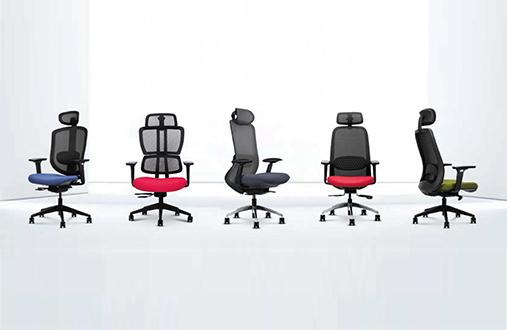
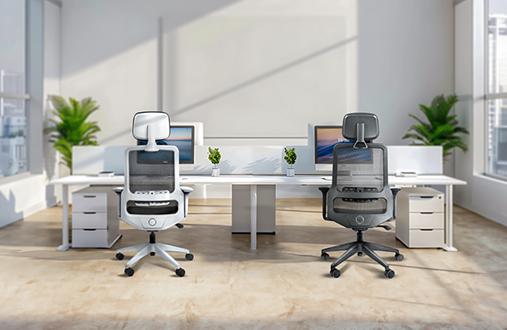
When organisations purchase seating for dozens or hundreds of employees, each chair becomes a daily touchpoint for comfort, productivity, and wellbeing. Teams spend eight to ten hours seated, navigating deadlines, collaborating in meetings, and focusing on detailed work. The right bulk office chair investment transforms these long hours from endurance tests into supported, comfortable workdays.
Yet many procurement teams face a challenging puzzle. How to choose chairs that work for the tallest developer and the petite designer? What features genuinely matter when budgets demand value across large purchases? Below, we explore the essential considerations that help organisations make seating decisions their teams will appreciate for years to come.
Quality office seating starts with internationally recognised standards that ensure consistent performance across every chair in your order. These certifications represent more than paperwork—they guarantee that each seat will support your team safely and effectively through years of daily use.
BIFMA (Business and Institutional Furniture Manufacturers Association) stands as the gold standard for commercial furniture quality. Established in 1973, BIFMA develops safety, performance, and sustainability standards that office furniture must meet to earn certification. When procuring wholesale office chairs, asking for BIFMA compliance protects both your investment and your employees' wellbeing.
Organisations should specifically request chairs listed in the BIFMA Compliant® Product Registry. If products aren't registered, procurement teams should ask for complete, unedited third-party test reports for ANSI/BIFMA X5.1 standards. This verification serves as a critical risk management tool, ensuring chairs meet rigorous requirements for safety and durability over simulated lifetimes exceeding ten years of daily use.
A truly versatile chair accommodates the natural diversity found in every workplace. Key measurements procurement teams should verify include seat height ranges meeting commercial standards.
|
Design Insight: The Power of Proper Fit ISO 9241 defines 'fit' as achieving harmony between task requirements and user needs. In practice, this means your bulk office chair selection should offer multiple adjustment points—not because complexity impresses, but because every team member deserves personalised support. |
Organisations operating across global markets should also consider ISO standards as complementary references. Standards like ISO 9241-5 specify ergonomic requirements that ensure chairs work well for internationally diverse teams, serving as a bridge for products designed with global user populations in mind.
Every organisation includes team members with different heights, body types, and comfort preferences. Smart bulk office chair procurement acknowledges this diversity from the start, selecting seating that adapts rather than forcing users to adapt to it.
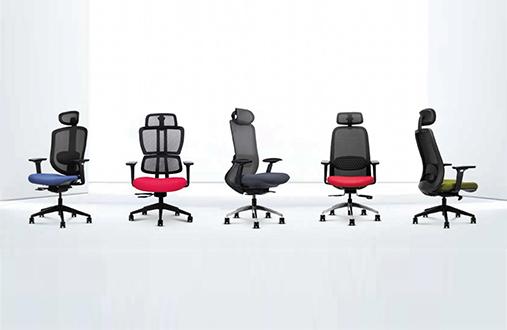
In practice, this means looking for features that minimise manual adjustments while still accommodating a wide range of individuals. For instance, chairs equipped with automatic weight-sensing mechanisms can intuitively adjust recline tension based on the user, reducing the need for constant fine-tuning. Designs like the Adapt chair by Wipro illustrate this approach, where the mechanism responds dynamically to different users.
Beyond basic height adjustment, chairs must provide proper support across varying body dimensions. ANSI/BIFMA ergonomic standards enforce specific requirements for backrest support angles, adjustable features, and lumbar support specifications that work together to maintain healthy posture.
The lumbar support deserves particular attention. Look for chairs where the outward curve lands naturally in the small of users' backs, with both height and depth adjustment capabilities. This adjustability helps maintain the spine's natural S-shape without forcing users into uncomfortable positions.
Modern workplaces demand flexibility in how people work—leaning back during video calls, sitting upright for focused tasks, or shifting positions throughout the day. Quality wholesale office chairs should encourage this natural movement rather than locking users into static positions.
|
Feature |
Basic Chair |
Ergonomic Design |
Daily Benefit |
|---|---|---|---|
|
Backrest |
Fixed angle |
Dynamic tilt/recline |
Supports posture changes throughout workday |
|
Armrests |
Static height |
4D adjustment |
Reduces shoulder and neck tension |
|
Lumbar Support |
Fixed cushion |
Adjustable depth/height |
Maintains spinal alignment for all users |
|
Seat Pan |
One size |
Sliding depth adjustment |
Accommodates different thigh lengths |
Budget constraints often push organisations toward lower-priced seating options. However, the true cost of inadequate chairs extends far beyond initial purchase prices, affecting employee health, productivity, and long-term organisational success.
Research reveals sobering statistics about workplace seating's health impact. Studies show that 80% of employees experience work-related musculoskeletal disorders. These aren't just numbers—they represent team members dealing with daily discomfort that affects their work and life quality.
The economic impact is equally significant. Poor office ergonomics contributes heavily to musculoskeletal disorders, which account for up to 40% of occupational compensation costs, while indirect costs such as lost productivity and errors can be several times higher than direct medical expenses. Quality seating directly addresses these challenges by reducing repetitive strain and optimising posture throughout the workday.
Within a year of purchasing budget chairs, complaints typically surface: gas lifts that no longer hold position, cracked armrests, or wobbly recline mechanisms. Initial savings quickly erode through replacement costs, employee downtime, and decreased morale.
Smart procurement teams evaluate the total cost of ownership by considering:
• Expected lifespan based on durability testing standards
• Warranty coverage and replacement terms
• Impact on employee satisfaction and retention
• Reduced sick days and healthcare costs
• Productivity gains from comfortable, supported teams
Investing in bulk office chair solutions means thinking beyond immediate needs to long-term performance. Understanding durability standards and material choices helps organisations select chairs that maintain quality through years of intensive use.
ANSI/BIFMA X5.1-2017 standards evaluate chairs designed for users up to 125 kg, simulating over ten years of daily use. Products undergo thousands of testing cycles replicating real-world conditions—repeated weight loads on seats, continuous back reclines, and armrest stress tests.
Wholesale furniture designed for institutional use differs fundamentally from residential options. Commercial-grade chairs concentrate on structural integrity and materials engineered for intensive daily use, ensuring consistent performance across hundreds of units.
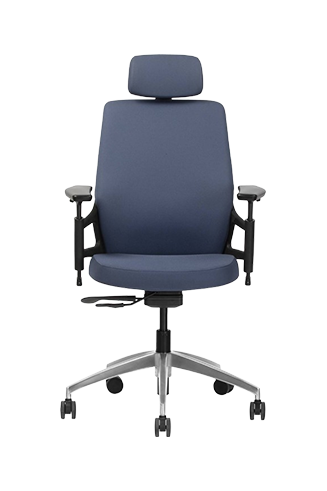
Take the Wipro Absolute chair, for instance. It is equipped with all the adjustability options needed for a comfortable fit every time. Additionally, it is also built using the best materials, which makes it soft where users want it and firm where users need it.
Climate considerations significantly impact material selection, especially in warm, humid environments. Organisations should evaluate:
Mesh vs. Cushioned Seating:• Mesh backs: Superior airflow during warm months, easier maintenance, lighter visual weight
• High-density foam: Better for air-conditioned spaces, traditional comfort feel, and sound absorption
Frame and Base Materials:• Reinforced nylon: Lightweight, cost-effective, suitable for most applications
• Aluminium or steel: Premium durability, higher weight capacity, professional appearance
|
Practical Tip: Testing Before Committing Request sample chairs for 2-4 week trials before finalising bulk office chair orders. Let different team members experience the seating, gathering feedback on comfort, adjustability, and daily usability. This small step prevents large-scale procurement regrets. |
Successful bulk seating procurement extends beyond selecting chairs to encompass vendor partnerships, implementation planning, and ongoing support systems that protect your investment.
Comprehensive vendor evaluation should assess delivery capabilities, installation services, and after-sales support. Strong suppliers offer logistics networks capable of handling large-scale deliveries, reliable scheduling, and professional on-site installation teams.
Long-term vendor agreements streamline future procurement cycles through fixed pricing, established delivery terms, and quality assurances. These partnerships should include:
• Minimum 3-5 year warranties on core components
• 48-72 hour response times for service requests
• Clear replacement policies for defective units
• Volume discounts for wholesale office chairs
• Flexible payment terms aligned with budget cycles
Thoughtful implementation prevents workspace disruption during large-scale furniture transitions. Organisations should measure spaces in detail before procurement, considering doorway widths, elevator capacities, and power outlet locations that might affect delivery and setup.
Phased delivery schedules aligned with installation plans prevent workspace congestion. Consider implementing new seating by department or floor, allowing teams to adjust gradually while maintaining operational continuity.
Choosing bulk office chair solutions shapes an organisation's daily experience of work. Quality seating supports teams through long hours, reduces health-related absences, and demonstrates genuine care for employee wellbeing. By prioritising certified ergonomic standards, comprehensive adjustability, and proven durability, organisations create workspaces where comfort enhances rather than hinders productivity.
Remember that the lowest price rarely delivers the best value. Instead, focus on total cost of ownership, employee satisfaction, and long-term performance. Explore Wipro's complete seating portfolio to discover ergonomic solutions designed with the team's comfort, health, and productivity at heart.
Look for BIFMA certification as the primary standard, complemented by ISO compliance for international operations. Request documentation from the BIFMA Compliant® Product Registry or complete third-party test reports.
Mesh backs provide superior airflow and temperature regulation in warm environments, dry quickly during monsoons, and maintain a professional appearance with minimal maintenance compared to fabric options.
BIFMA-certified chairs tested to ANSI/BIFMA X5. 1 standard typically lasts 10+ years under normal commercial use, with proper maintenance extending its lifespan even further.
Yes, adjustable armrests significantly reduce shoulder and neck strain, especially for computer-based work. Look for a minimum height adjustment, with 4D adjustment providing optimal flexibility.
Consider reduced sick days, improved productivity metrics, decreased replacement frequency, and employee satisfaction scores. Quality seating typically pays for itself within 2-3 years through these combined benefits.