


Search Here
|
Table of Contents
|
The workspace quietly shapes every person’s daily experience. From morning energy to afternoon focus, from team meetings to deadline work, the chair beneath every employee, the arrangement around them, and the design thinking behind it all work together to either support or block natural workflow.
Today’s workplace demands much more than traditional seating. As architects and interior designers reimagine office environments, they create spaces that respond to how people actually work, move, and interact throughout the day. This article brings together insights on how the design community has evolved seating, from simple utility to a powerful tool for wellbeing and productivity.
The journey of modern workplace seating tells a fascinating story. Priorities have changed. Understanding of human needs has deepened. From the rigid wooden chairs of early offices to today’s advanced ergonomic solutions, this evolution shows the growing awareness of how furniture impacts wellbeing and work performance.
Research shows that a large number of office workers face discomfort due to poor workstation design. Studies report that over 80% of office workers experience musculoskeletal issues. This discomfort has been linked to reduced productivity and work performance. These findings sparked a revolution in how designers approach workplace furniture. No longer could seating be an afterthought; it became central to workspace planning.
Early office environments put hierarchy above comfort. Executive chairs were symbols of power, not posture support. Factory floors and typing pools used uniform, basic seating that ignored individual body differences. The shift came slowly as ergonomics emerged as a science: studying how human beings interact with their environments to improve comfort, safety, and efficiency.
The transformation of spatial design over the past fifty years tells a strong story of changing values, new workplace dynamics, and deeper understanding of human needs. Each decade brought its own philosophy that shaped how architects and designers approached seating within larger spaces.
The late twentieth-century workplace worked on clear hierarchical principles. Closed-plan offices dominated corporate landscapes. Corner offices were the ultimate status symbols. Robert Propst’s Action Office concept, originally designed to promote movement and flexibility, ironically gave birth to the cubicle farm that defined this era.
Seating choices reflected organisational hierarchy rather than human comfort. Executive chairs showed power through size and leather upholstery. Standard task chairs offered minimal ergonomic consideration. Auditoriums and stadiums focused on capacity over comfort, with fixed rows of uniform seating that ignored different body types or viewing preferences.
The new millennium brought radical workplace change. Open-plan offices promised better collaboration, lower costs, and more transparency. Hot-desking and activity-based working became dominant trends. These required entirely new approaches to seating design.
However, research soon revealed big challenges. Studies showed that open offices could reduce productivity due to noise and visual distractions. Employees reported dissatisfaction with the lack of privacy and acoustic comfort. These findings forced designers to rethink their approach.
Seating evolved to address these problems through greater adjustability and mobility. Task chairs gained advanced ergonomic features. Breakout areas introduced soft seating options. This period marked the beginning of evidence-based design, where research informed choices rather than assumptions.
The 2010s transformed interior design seating philosophy through the introduction of wellness standards. The WELL Building Standard and improved LEED certifications placed human health at the centre of design. Biophilic design principles gained mainstream acceptance, recognising nature’s role in workplace wellbeing.
Architects began choosing seating based on ergonomic principles that support physical and mental health. Auditorium and stadium design also changed, giving equal importance to spectator comfort, sightlines, and acoustic quality alongside capacity. This decade made it clear that great design serves human needs first.
Post-pandemic realities have deeply changed spatial design priorities. Offices transformed from default destinations to purposeful environments that must justify physical presence. Interior designers and architects now work together on wellness policies alongside spatial layouts.
Seating has evolved into a wellness instrument. Modern specifications consider circadian rhythms, movement patterns, and psychological comfort. Enterprise spending on ergonomic furniture grew by 20–25% in 2025 alone, which shows this priority shift. Stadiums and auditoriums now embrace flexible configurations with retractable seating, modular arrangements, and technology integration that enable venues to transform between events.
Decades at a Glance
|
Decade |
Design Philosophy |
Seating Approach |
Key Change |
|
1980s–90s |
Hierarchy & status |
Fixed, uniform, executive vs standard |
Cubicle farms emerge |
|
2000s |
Open plan & collaboration |
Adjustable task chairs, breakout seating |
Evidence-based design begins |
|
2010s |
Human-centred wellness |
Ergonomic, biophilic, varied types |
WELL & LEED certifications |
|
2020s |
Hybrid, wellness-first |
Adaptive, modular, smart seating |
20–25% rise in ergonomic spending |
Contemporary design conversations revolve around several key themes. These trends reflect deeper societal shifts towards flexibility, wellness, and environmental responsibility. They influence how architects and interior designers approach seating decisions.
The hybrid revolution has reshaped workspace planning at its core. Offices no longer assume full-time occupancy or fixed desk assignments. Instead, spaces flow between different modes: focused work, collaboration, virtual meetings, and social interaction. This flexibility demands seating solutions that adapt quickly to varying needs throughout the day.
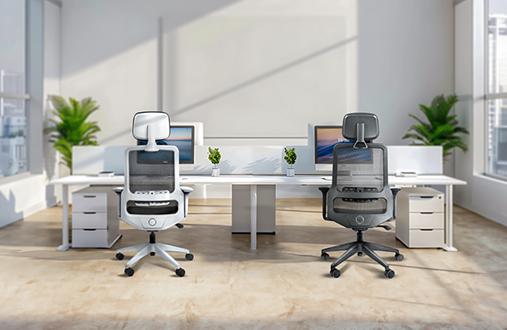
Hot-desking and shared workstations require chairs that adjust easily for different body types. Meeting rooms transform from formal presentation spaces to casual collaboration zones. Even individual workstations must support both intense focus periods and relaxed video calls. Studies indicate that over 50% of modern office layouts now feature collaborative spaces, requiring diverse seating solutions.
In this kind of flexible environment, seating needs to adapt as quickly as people do. Chairs with features like automatic tension adjustment help accommodate different users without manual recalibration. Solutions like the Wipro Of Course chair reflect this shift, designed to quietly support diverse work styles rather than act as a fixed, one-size-fits-all fixture.
|
Design Insight: The New Flexibility Today’s best seating solutions support multiple postures, adjust to different body types, and reconfigure easily for various activities. The chair becomes a tool that adapts to the user’s work, not the other way around. |
Wellness has moved from a workplace perk to a basic design principle. Architects now include ergonomic considerations into every aspect of office layout. They make sure workstations remain adjustable and suited to various tasks while reducing musculoskeletal disorder risks. This approach recognises that comfort influences everything from focus to job satisfaction.
Lower back pain remains the most common health problem globally. Poorly designed workspaces and furniture make these issues worse. Understanding this, designers now focus on seating that promotes natural movement, supports proper spinal alignment, and encourages posture changes throughout the day.
Nature-integrated interiors also play a big role. Seating materials now include sustainably sourced woods, natural fibres, and textures that connect occupants with nature. Circadian lighting systems work alongside ergonomic seating to support natural biorhythms. Tactile comfort has gained equal importance with visual appeal. Research confirms that ergonomic seating reduces physiological stress markers, supporting both immediate comfort and long-term health.
Sound management has evolved from an afterthought to a design centrepiece. Architects now include acoustic considerations into every spatial element. Seating plays an important role in sound absorption and diffusion. Soft furnishings serve two purposes: providing comfort while managing reverberation.
Modern auditoriums use sophisticated acoustic modelling to optimise seating arrangements for sound distribution. Each seat’s position, angle, and material composition contributes to overall acoustic performance. Privacy pods, high-back acoustic chairs, and modular seating systems with built-in sound barriers represent the evolution of workplace furniture.
Environmental responsibility drives modern-day specifications. Architects and designers increasingly ask for Environmental Product Declarations (EPDs) and lifecycle assessments before choosing seating. Material traceability, recyclability, and low-carbon manufacturing influence decisions alongside visual and functional considerations.
Sustainable office furniture manufacturers now use eco-friendly processes, recycled fibres, and low-impact dyes. The revised ANSI/BIFMA e3-2024 sustainability standard provides frameworks for evaluating environmental impact throughout product lifecycles.
Key Sustainability Factors in Seating Design
|
Factor |
What It Means |
|
Responsible Material Sourcing |
Materials chosen with minimal environmental impact |
|
Clean Manufacturing |
Processes that reduce waste and energy use |
|
Durability |
Longer product lifecycles, fewer replacements needed |
|
End-of-Life Recyclability |
Materials can re-enter production cycles |
|
Local Sourcing |
Reduces transportation emissions |
Modern venue design has evolved dramatically from basic bleacher arrangements to sophisticated bowl designs that optimise every spectator’s experience. Auditorium seating design now considers sightlines, acoustic properties, and comfort equally. Premium tiering creates varied experiences within a single venue: from basic spectator seating to hospitality boxes with luxury appointments.
Retractable and multi-configuration seating enables venues to serve diverse purposes. A basketball arena transforms into a concert venue through automated seating adjustments. Convention centres accommodate everything from trade shows to theatrical performances through flexible seating systems.
Infrastructure growth across emerging markets creates high demand for world-class venue seating. New airports, convention centres, and cultural auditoriums require seating solutions that meet international standards while respecting local preferences and climatic conditions.
Generation Z enters workplaces and public spaces with distinct expectations that challenge traditional design thinking. Their preferences are already reshaping how architects and interior designers approach spatial planning and seating choices.
Gen Z has grown up in digital environments where customisation, flexibility, and personal expression are standard. Their workplace expectations differ from previous generations in important ways. They demand spaces that support wellbeing, identity, and purpose.
As young professionals, they reject corporate formality in favour of authentic, comfortable environments. As emerging designers, they bring fresh perspectives on sustainability, inclusivity, and technology integration. Their influence extends beyond preferences to basic questions about how spaces should function.
|
Preference Area |
What Gen Z Expects |
|
Aesthetics |
Anti-corporate, resimercial design that brings residential comfort into commercial settings |
|
Furniture |
Flexible, moveable, stackable options that support spontaneous collaboration and individual choice |
|
Sustainability |
Full transparency on material sources, manufacturing, and end-of-life recyclability |
|
Inclusivity |
Spaces that accommodate neurodiversity — quiet zones, varied sensory environments |
|
Technology |
Seamless integration — charging, connectivity, and smart seating as baseline expectations |
The impact on seating design is significant. Customisation options in colour, material, and configuration are becoming standard rather than premium features. Modular systems that users can reconfigure on their own are preferred over fixed solutions. Certified ergonomics matter, but within frameworks that support varied postures and work styles.
Technology integration becomes seamless rather than added on. Charging capabilities, device support, and connectivity are baseline expectations. Smart seating that remembers personal preferences and adjusts automatically appeals to digital natives who expect environments to respond intelligently.
Design thinking has transformed how architects and interior designers approach workplace environments. This human-centred method places user needs at the centre of every decision. It creates spaces that intuitively support how people actually work rather than forcing them into set patterns.
Architects today begin with anthropometry, that is, the study of human body measurements. They apply these insights to create furniture and spaces that accommodate diverse populations. From the 5th percentile female to the 95th percentile male, inclusive design ensures seating solutions work for everyone in an organisation.
Space planning now considers movement patterns, collaboration zones, and the flow between different work modes. Architects place modern workplace seating within broader environmental systems: considering natural light access, ventilation patterns, acoustic comfort, and biophilic elements that connect occupants with nature.
Traditional Approach vs Modern Design Thinking
|
Design Element |
Traditional Approach |
Modern Design Thinking |
|
Seating Layout |
Fixed rows, hierarchical arrangement |
Flexible zones, activity-based placement |
|
Chair Selection |
One-size-fits-all |
Diverse options for different needs |
|
Space Planning |
Maximise desk count |
Optimise movement and collaboration |
|
Wellness Integration |
Separate wellness rooms |
Wellness embedded throughout |
Interior designers bridge aesthetics and ergonomics. They create environments that support both visual appeal and physical comfort. The approach goes beyond surface beauty to address how spaces make users feel and function throughout a workday.
Human-centred design means creating spaces that match the specific wants, needs, abilities, and limitations of occupants. This might involve adjusting furniture heights for diverse body types, ensuring clear paths for movement, or selecting materials that promote comfort in local climate conditions. The most effective spaces reflect the actual needs, movements, and wellbeing of users.
Modern architects and interior designers approach spatial design through frameworks that balance multiple considerations. The journey from initial brief to final occupancy involves complex decision-making where seating plays key roles.
Human-centred design begins with understanding how people actually use spaces rather than how designers think they should. Observational research, user interviews, and post-occupancy evaluations inform specifications. Anthropometric data guides dimensional decisions, ensuring seating accommodates diverse body types comfortably.
The link between seating decisions and structural, acoustic, and wellness goals requires holistic thinking. A chair is not merely furniture; it is a part of larger systems. Its material composition affects acoustic performance, its adjustability influences wellness outcomes, and its look contributes to the character of a space.
Specification challenges grow when balancing aesthetics, compliance, budget, and durability. BIFMA standards provide quality benchmarks. But designers must also consider maintenance requirements, warranty terms, and lifecycle costs. The most successful specifications come from deep collaboration between designers and manufacturers who understand these complex requirements.
The evolution of spatial design demands manufacturing partners who understand both creative vision and practical execution. Design professionals need collaborators who speak their language while delivering engineering excellence at scale. With over two decades of manufacturing excellence and a design-forward approach, Wipro fits this role well.
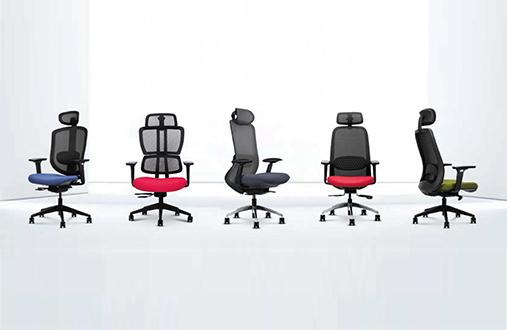
Dynamic workplace environments demand seating that moves with the user. The Dynamic collection represents this philosophy through chairs designed for fluid transitions between work modes. Whether users are leaning forward in concentration or reclining during a creative thinking session, these solutions adapt to support natural movements while maintaining ergonomic support.
The collection addresses specific workplace scenarios, from quick huddle spaces where people gather briefly to dedicated workstations supporting all-day comfort. Each piece reflects a deep understanding of how modern professionals work, with adjustability that feels intuitive rather than complex.
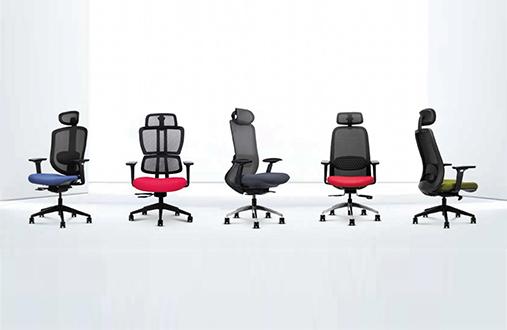
Wipro’s ergonomic office chairs go beyond basic comfort to address the science of sustained support. Built on principles that improve comfort while reducing musculoskeletal strain, these chairs support the body’s natural posture throughout long work periods.
Key ergonomic features include:
Adaptive lumbar systems that respond to the spine’s unique curve
Seat depth adjustment to accommodate different thigh lengths
Synchronised tilt mechanisms that encourage natural movement
Breathable materials that prevent heat build-up during long sessions
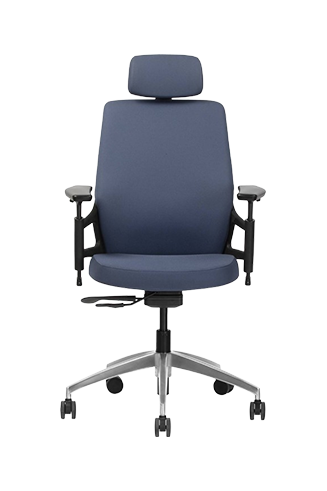
Solutions like the Wipro Alivio chair embody this thinking, featuring a backrest with body-tracking lumbar support and adjustable armrests. The Aeroflo seat design furthers comfort with perforations that dissipate heat efficiently.
Open office environments create unique challenges for concentration and communication. Acoustic seating solutions address these challenges by using sound-absorbing materials and designs that create semi-private spaces within larger environments. These approaches help workers focus when needed while remaining connected to the team.
Privacy pods, high-back acoustic chairs, and modular seating systems with integrated sound barriers represent the evolution of workplace furniture. Rather than treating acoustics as an afterthought, these solutions build sound management into the seating itself.
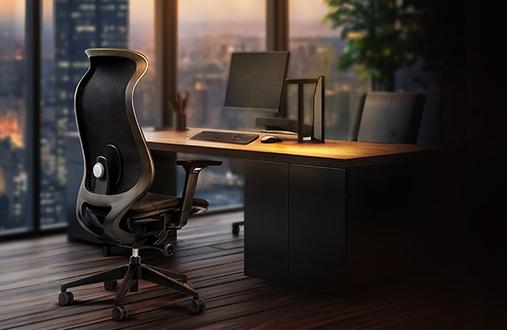
Leadership spaces require seating that supports long decision-making sessions while projecting professional presence. Premium executive chairs balance sophisticated aesthetics with advanced ergonomic features. Senior professionals often spend extended hours in meetings, strategic planning, and focused work, and their seating must match that demand.
These solutions use refined materials, precise engineering, and thoughtful details that improve both comfort and visual impact. From boardrooms to private offices, executive seating reflects organisational values while helping leaders maintain energy and focus throughout demanding days.
Wipro’s auditorium seating solutions represent the pinnacle of engineering precision meeting spectator experience. Each design considers sightlines, acoustic properties, and long-term durability alongside aesthetic integration with the architectural vision. Customisation extends beyond colour and material to fundamental configuration options that support diverse venue requirements.
Compliance with international safety and accessibility standards comes built-in, not as an afterthought. Products meet strict testing protocols while maintaining design elegance. This balance between regulatory compliance and aesthetic excellence appeals to architects specifying for prestigious venues.
Wipro Product Portfolio at a Glance
|
Product Line |
Best For |
Key Features |
|
Dynamic Collections |
Fluid, multi-mode workplaces |
Intuitive adjustability, supports varied postures |
|
Ergonomic Office Chairs |
All-day desk work |
Lumbar tracking, seat depth adjustment, breathable materials |
|
Acoustic Solutions |
Open offices, focus zones |
Sound-absorbing materials, privacy pods, modular barriers |
|
Premium Executive |
Boardrooms, C-suite offices |
Refined materials, advanced ergonomics, professional presence |
|
Stadium & Auditorium |
Venues, convention centres |
Sightline optimisation, retractable systems, safety compliance |
The future of modern workplace seating lies in continued integration of human insight, technological advancement, and environmental responsibility. Architects and designers shape this future by creating spaces that anticipate evolving work patterns while keeping timeless principles of comfort and support.
Smart seating technologies now monitor posture patterns and suggest adjustments that prevent fatigue. Artificial intelligence analyses movement data to recommend optimal settings. Yet these advances support rather than replace fundamental design principles: a chair still needs to support the spine, encourage movement, and feel comfortable throughout the day.
The relationship between architects, interior designers, and seating manufacturers continues evolving as spatial requirements grow more complex. Tomorrow’s successful spaces emerge from genuine partnerships where creative vision meets engineering excellence.
Great spaces begin with great decisions, and seating remains one of the most impactful choices designers make. As infrastructure development accelerates and workplace evolution continues, the need for design-conscious seating solutions grows ever more critical. Explore how Wipro’s comprehensive seating solutions can support your next project’s vision while ensuring long-term user satisfaction and wellbeing.
Studies show ergonomic seating can increase productivity by reducing discomfort and fatigue. Proper support helps maintain focus and energy throughout the workday.
Architects evaluate seating through frameworks considering ergonomics, aesthetics, sustainability, and budget. They analyse user demographics, work patterns, and wellness goals while ensuring compliance with building standards and certifications.
Architects should specify chairs with adjustable lumbar support, a seat height range that accommodates diverse users, breathable materials, and synchronised tilt mechanisms that encourage natural movement patterns.
BIFMA certification validates safety, durability, and ergonomic performance through strict testing. Designers rely on these standards to ensure seating meets quality benchmarks while supporting user health over extended use.
Hybrid work demands versatile seating that adjusts quickly between users. Hot-desking requires easy adjustability, while home offices need compact yet supportive solutions that fit residential spaces.
Modern auditorium seating design focuses on spectator comfort, optimal sightlines, and acoustic performance alongside capacity. Retractable systems, premium tiering, and customisation options enable venues to serve multiple purposes while maintaining excellence.
Environmental responsibility drives specifications as clients demand transparency about material sources and manufacturing processes. Sustainable seating supports LEED points, meets ESG requirements, and appeals to environmentally conscious users and organisations.
Gen Z favours flexible, customisable environments that support identity expression and wellbeing. They expect sustainable materials, technology integration, and designs that accommodate neurodiversity while rejecting traditional corporate formality.
Acoustic management is now central to workplace seating design as open offices create sound challenges. Designers specify materials and configurations that absorb sound, create privacy zones, and support focused work.
Multi-purpose venues require seating systems that adapt between configurations while maintaining durability. Consider automated systems, storage requirements, reconfiguration time, and how different setups serve varied event types effectively.
Designers select seating that complements visual themes while meeting ergonomic standards. Colour, texture, and form enhance spaces without compromising adjustability, support, or comfort features essential for wellbeing.
Sustainability influences material selection, manufacturing processes, and product lifecycle planning. Organisations increasingly choose seating with recycled content, low emissions, and extended durability to reduce environmental impact.