


Search Here
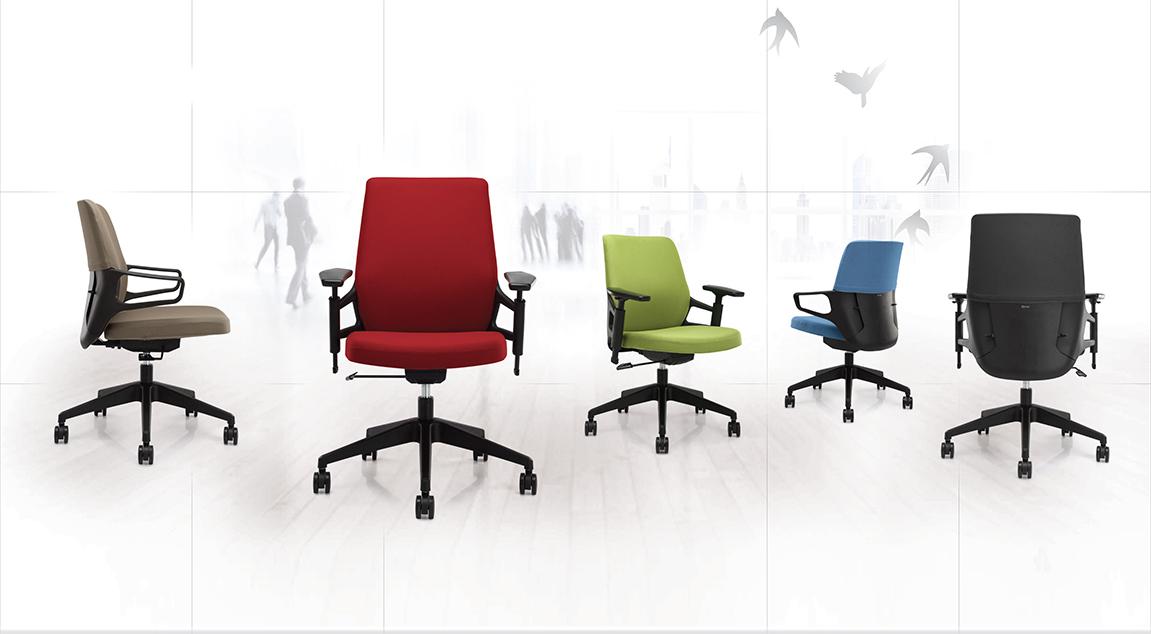
Table of Contents
|
Standing in a newly acquired office space, the focus shifts to transforming empty rooms into a functional business headquarters. An important question arises: which office essentials are required to build a productive workspace?
Beyond product development and talent acquisition, furniture selection significantly influences daily operations. Chairs, desks, and storage units directly affect workflow efficiency, employee comfort, collaboration, and long-term scalability.
A workspace creates an impression before any interaction takes place. Furniture selection reflects professionalism, attention to detail, and consideration for both employees and visitors entering the premises.
The reception area serves as the first point of contact for the business. Comfortable visitor seating paired with a well-designed reception desk setup helps establish credibility from the outset. Research shows that 76% of computer professionals report musculoskeletal discomfort, making proper seating choices crucial from day one.
Beyond aesthetics, functional furniture supports smooth operations. A well-organised
A reception desk with adequate storage prevents the cluttered appearance that undermines professional impressions. Consider how employees navigate between spaces, how visitors wait comfortably, and how the overall environment reflects the brand values.
Professional environments balance functionality with comfort. Quality office furniture serves multiple purposes: supporting daily tasks, encouraging collaboration, and maintaining employee wellbeing throughout demanding workdays. The right setup helps teams remain more productive while reducing absenteeism from physical discomfort.
Climate considerations also matter significantly. In regions with high humidity during monsoon seasons, furniture materials need proper ventilation and moisture resistance. Power backup requirements influence equipment placement, while space constraints in urban settings demand smart, multi-functional solutions.
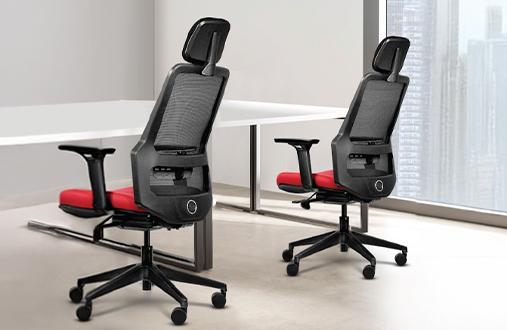
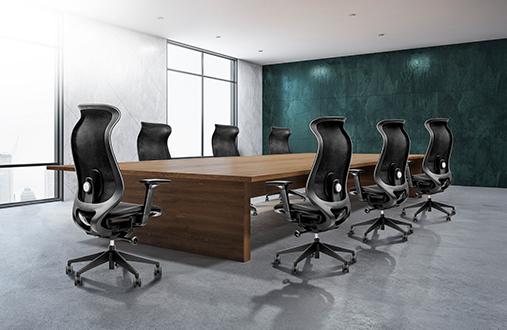
For example, chairs such as the Wipro Alivio Chair incorporate breathable mesh backs to improve airflow in humid conditions. A contoured backrest and an automatic weight-sensing mechanism help accommodate different users without frequent manual adjustments. Features like these illustrate how ergonomic design, material choice, and adaptive support systems can address environmental and spatial constraints while maintaining comfort and functionality.
Among all office essentials, seating deserves special attention. A team spends the majority of its workday in chairs, making ergonomic support crucial for maintaining energy, focus, and long-term health.
The connection between seating quality and work output runs deeper than comfort alone. Ergonomic chairs can boost productivity by a lot compared to standard options while reducing job-related stress as well. These aren't just random statements—they represent real improvements in daily work experiences.
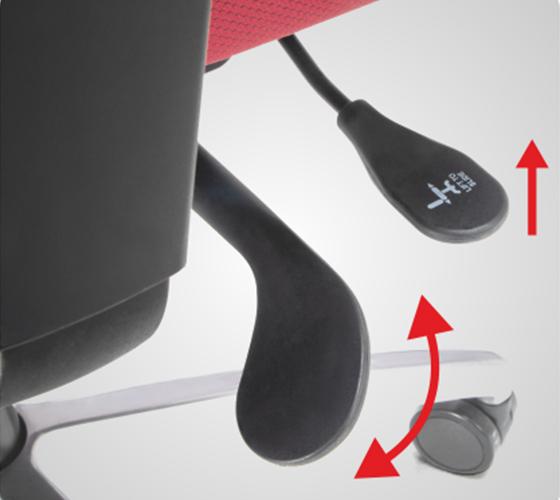
Quality seating addresses multiple pain points simultaneously. Proper lumbar support maintains spinal alignment during focused work sessions. Adjustable armrests prevent shoulder tension that builds during typing. Breathable materials keep employees comfortable through extended meetings and afternoon energy dips.
BIFMA certification represents more than a quality label—it guarantees furniture tested through rigorous assessments simulating years of daily use. These standards ensure that the investment withstands the demands of professional environments while maintaining safety and performance.
Quality indicators to evaluate:
|
Standard Component |
What It Tests |
Business Benefit |
|---|---|---|
|
Backrest Strength |
Load capacity under pressure |
Prevents breakage during regular use |
|
Base Stability |
Tipping resistance |
Ensures user safety throughout workday |
|
Caster Durability |
Rolling performance over time |
Maintains smooth mobility without degradation |
|
Height Mechanism |
Adjustment reliability |
Accommodates diverse user needs consistently |
BIFMA-compliant products typically carry warranties, protecting the investment while supporting workforce health. This certification becomes particularly valuable when furnishing multiple workstations, ensuring consistent quality across the office.
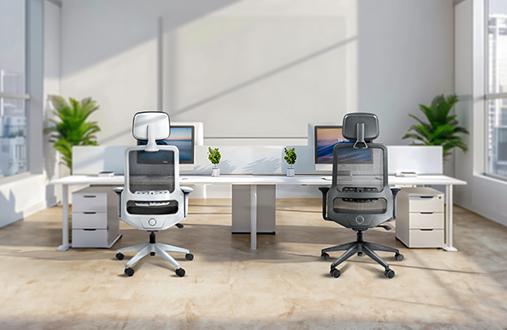
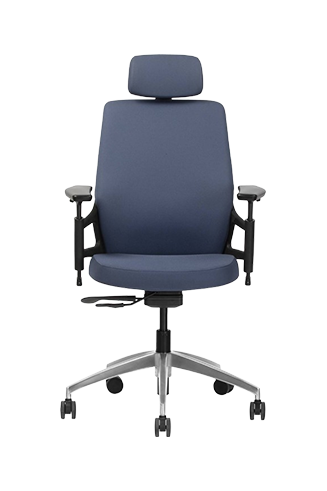
In practice, chairs that align with BIFMA standards often incorporate design elements aimed at long-term usability and user comfort. For instance, the Wipro Immerse Office Chair combines BIFMA compliance with functional features such as an Aeroflo seat structure intended to improve airflow and distribute body weight more evenly, reducing localised pressure. Availability in multiple sizes further reflects an effort to accommodate varied body types within a standardized procurement framework. In this way, certification and design work together — not as marketing distinctions, but as mechanisms to ensure reliability, ergonomic support, and consistency at scale.
A systematic approach to office setup prevents critical oversights. An office furniture checklist should address immediate operational needs while allowing flexibility for growth and changing work patterns.
Desk selection influences more than individual productivity—it shapes team dynamics and workflow efficiency. Modern workstations balance personal space with collaborative potential, supporting both focused tasks and impromptu discussions.
|
Design Insight: Height-Adjustable Advantage
Desks with height adjustment capabilities support diverse working preferences and body types, encouraging movement throughout the day, reducing fatigue from static positions while accommodating standing work when energy dips. |
Consider these workstation essentials:
• Adequate desktop space for monitors, documents, and personal items
• Cable management systems preventing tangled hazards
• Under-desk storage maximising vertical space
• Task lighting supplementing overhead illumination
• Power access supporting multiple devices without extension cord chaos
Organisation becomes the backbone of operational efficiency. Strategic storage solutions prevent the time waste and frustration of searching for misplaced documents or supplies. Well-planned systems grow with a business, adapting to changing needs without major overhauls.
Meeting spaces and collaborative zones become incubators for innovation and team cohesion. The chosen furniture either encourages or inhibits the free flow of ideas and comfortable interaction.
The Wipro We-Chat effortlessly provides a private space for important dicussions even within open floor offices. The raised walls are lined with sound dampening materials which cancel out the noise for deep focus.
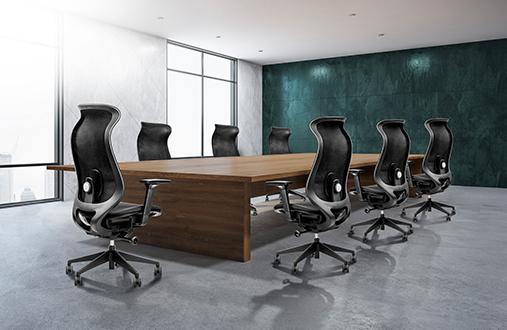
Conference tables anchor collaborative spaces, but this selection involves more than size calculations. Table height affects posture during long discussions. Surface materials influence note-taking comfort and technology integration. Shape determines eye contact patterns and group dynamics. Supporting furniture matters equally. Meeting room chairs need different considerations than desk seating—shorter duration use but higher turnover between users.
Today's workforce expects adaptable environments supporting various work modes. Casual collaboration areas with soft seating, and quick-huddle spaces with standing-height tables each serve distinct purposes.
Flexibility becomes paramount as hybrid work models mean 72% of users want distributed workplace options. Modular furniture facilitates easy reconfiguration as team sizes fluctuate. Stackable chairs store efficiently when not needed. Mobile furniture units create instant meeting spaces without permanent commitment.
Furniture investments require balancing immediate affordability with long-term value. Strategic decisions now prevent costly replacements or upgrades that disrupt established operations.
Scalability thinking prevents growing pains. Modular systems expand seamlessly as teams grow, maintaining visual consistency while accommodating new members. Workstation components add on rather than replace, protecting initial investments.
Planning strategies for growth:
• Choose desk systems with expansion capabilities built in
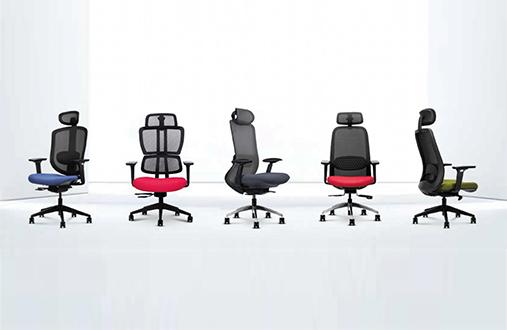
• Select seating lines offering multiple models within consistent design language
• Invest in storage systems that stack or connect as needs increase
• Maintain spare components for quick team additions
• Document furniture specifications for future matching
Starting lean doesn't mean compromising employee comfort or operational efficiency. Prioritise investments based on usage intensity and health impact. Ergonomic chairs justify higher initial costs through productivity gains and reduced sick days. Basic storage solutions work initially, upgrading as organisation needs become clearer.
Quality indicators worth the investment include warranty coverage, adjustment mechanisms supporting diverse users, and materials suited to your climate conditions. Certified products often cost more upfront but deliver lower total ownership costs through durability and reduced replacement needs.
Creating an effective workspace extends beyond ticking items off an office furniture checklist. Each choice shapes daily experiences, team dynamics, and business growth potential. Quality seating forms the foundation, supporting health and productivity through demanding workdays.
Ready to build a workspace that grows with your vision? Explore Wipro's comprehensive seating solutions designed to support new businesses through every stage of their journey. Your team deserve furniture that works as hard as they do.
Start with ergonomic chairs, height-adjustable desks, secure filing storage, and a quality conference table. These foundational pieces support daily operations while creating professional environments that impress clients and energise teams.
Allocate 10-15% of your initial setup budget for furniture, prioritising ergonomic seating and functional workstations. Quality pieces last 5-10 years, making them worthwhile investments over cheaper alternatives requiring frequent replacement.
BIFMA standards ensure furniture withstands rigorous daily use through different tests. Certified products offer proven durability, safety compliance, and typically longer warranties, protecting your investment while supporting employee wellbeing consistently.
Select breathable mesh backs for chairs, avoiding heavy fabrics that trap moisture. Choose laminates or treated wood resisting warping. Metal frames with powder coating prevent rust while maintaining structural integrity through seasonal changes.
Modular filing systems, stackable shelf units, and mobile pedestals adapt easily. Choose systems allowing vertical expansion or lateral connections. Consistent product lines ensure visual harmony as you add components over time.