


Search Here
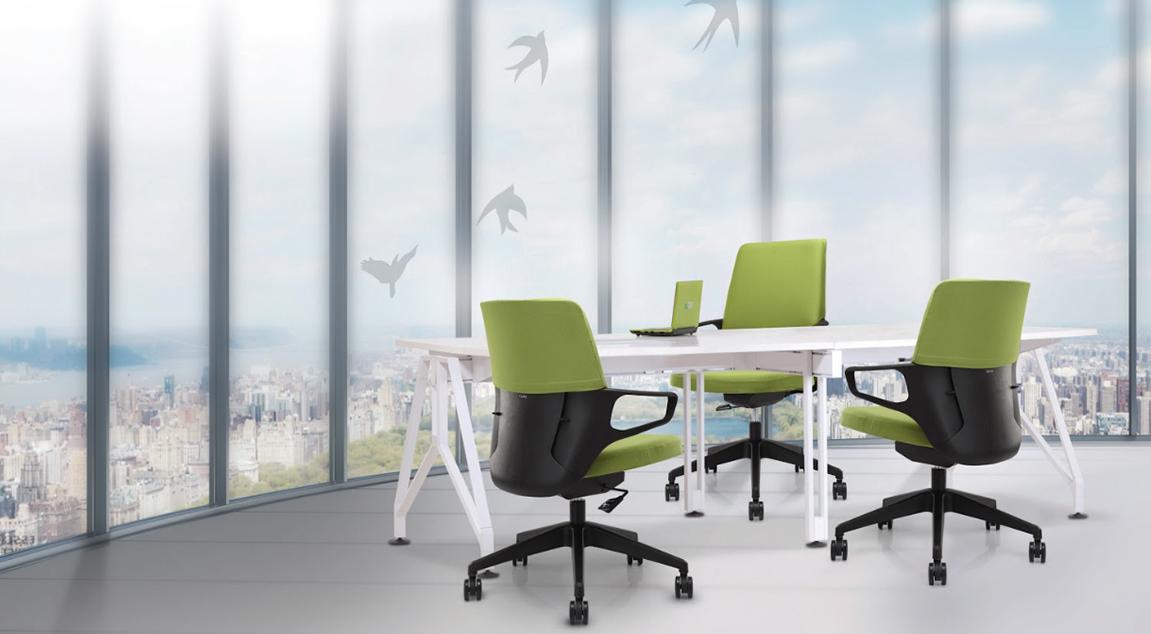
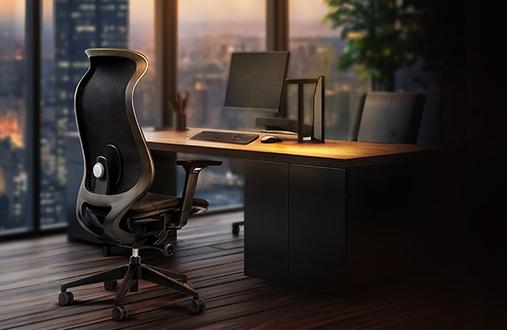
Many professionals unknowingly compromise comfort by choosing chairs based solely on appearance or price. The right seating choice goes beyond aesthetics—it's about finding a partner that adapts to the body's needs throughout demanding workdays.
The connection between a chair and daily wellbeing runs deeper than most realise. Seating choice influences everything from morning energy levels to evening fatigue patterns.
Studies indicate that improper posture is a leading cause of back pain among office workers. A chair serves as the foundation for healthy posture, supporting the spine's natural curve while allowing movement and flexibility. When properly designed, it reduces strain on the lower back, shoulders, and neck—areas that bear the burden of desk work.
The right chair encourages micro-movements throughout the day. These subtle position shifts prevent muscle fatigue and maintain circulation, keeping users comfortable during extended sitting periods. Quality seating also impacts focus and productivity by eliminating the distraction of discomfort. When the body feels supported, the mind can concentrate fully on the tasks at hand.
Inadequate seating creates a cascade of workplace challenges that extend beyond physical discomfort. According to OSHA research, ergonomic chairs can reduce musculoskeletal stress when properly used. Without proper support, professionals develop compensatory postures that strain muscles and joints over time.
Poor seating choices also affect workplace morale and retention. Employees experiencing chronic discomfort take more sick days and report lower job satisfaction. The financial impact includes increased healthcare costs, with musculoskeletal disorders accounting for over 30% of all workplace injuries. Investing in quality seating represents preventive care that benefits both individual well-being and organisational productivity.
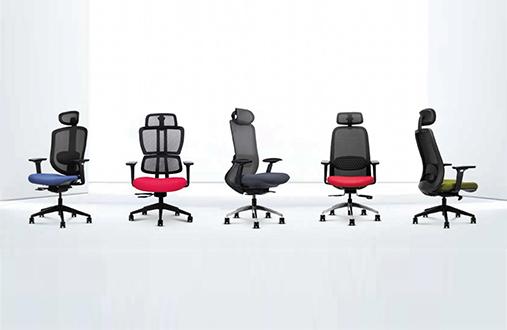
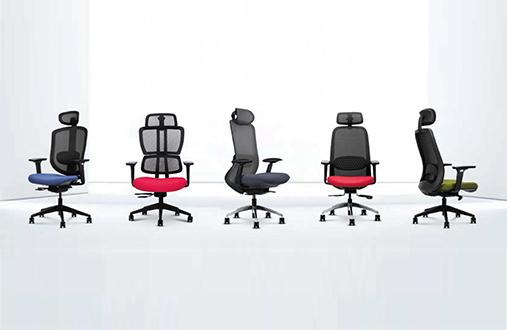
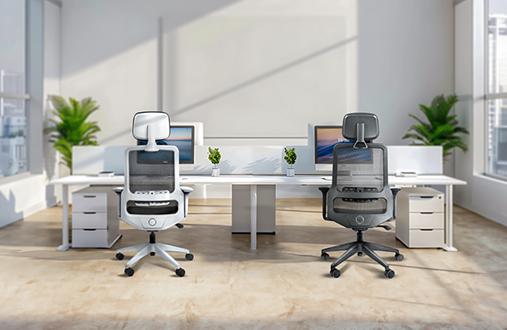
Mesh chairs have revolutionised modern office seating by addressing the fundamental challenge of all-day comfort at varying temperatures. The innovative design combines structural support with exceptional airflow properties.
The magic of mesh lies in its open-weave construction that allows continuous air circulation. Warm air naturally rises through the material while cooler air replaces it, creating a comfortable cooling effect throughout your day. This breathability becomes especially valuable during afternoon energy dips when body temperature naturally rises.
Mesh chairs also excel at moisture management. The fabric's moisture-wicking properties pull perspiration away from the skin towards the outer surface, where it evaporates quickly. This prevents the sticky discomfort common with solid materials, keeping you fresh through marathon work sessions or intense deadline sprints.
This balance of airflow and comfort is also reflected in thoughtfully designed ergonomic chairs such as the Wipro Adapt Chair, where breathable construction works alongside adaptive support to maintain consistent comfort without drawing attention to the mechanics behind it.
|
Feature |
Mesh Chair Benefits |
Impact on Comfort |
|---|---|---|
|
Air Circulation |
Open-weave design promotes continuous airflow |
Prevents heat buildup during long sitting periods |
|
Moisture Control |
Wicks perspiration away from body |
Maintains dry, comfortable seating surface |
|
Weight Distribution |
Flexible grid conforms to body contours |
Reduces pressure points on thighs and lower back |
|
Maintenance |
Easy to clean, resists odours |
Stays hygienic with minimal effort |
High-quality mesh creates a supportive "hammock" effect that distributes pressure evenly across the user's back. Unlike rigid surfaces, the material adapts to every unique body shape and movement. This responsive support follows users as positions change, lean forward for focused work, or recline during phone calls.
|
Design Insight: The Advantage of Adaptive Support Quality mesh responds to all micro-movements throughout the day. This dynamic support prevents the muscle fatigue that comes from holding static positions, encouraging natural movement patterns that keep the body engaged and comfortable. |
Leather chairs represent the traditional pinnacle of office seating, combining timeless aesthetics with cushioned comfort. Their enduring popularity stems from both practical benefits and psychological associations with success and professionalism.
Executive comfort goes beyond soft cushioning—it's about creating a seating experience that supports decision-making and leadership presence. Leather chairs typically feature high-density foam that provides firm, consistent support without bottoming out over time. This structured cushioning maintains proper spinal alignment while offering a luxurious feel.
The psychological impact of leather seating shouldn't be underestimated. Settling into a well-crafted leather chair signals a transition into focused work mode. The material's substantial feel creates a sense of grounding that many executives find conducive to strategic thinking and important conversations. High-quality leather combined with memory foam padding moulds to individual body shapes, creating personalised comfort zones.
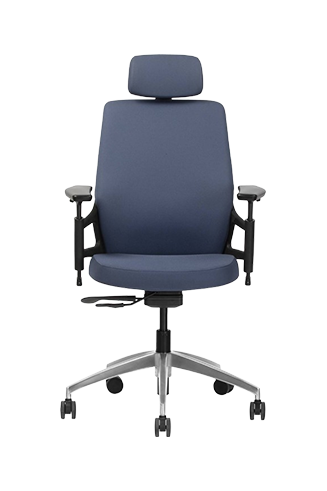
This blend of material quality and ergonomic intent is reflected in options like the Wipro Dynasty Chair, where premium EPU upholstery adds a refined finish while maintaining durability, and features such as an integrated headrest and knee-tilt mechanism support posture and natural movement throughout the workday without drawing attention away from the overall experience.
Genuine leather brings specific advantages to daily office life. The material's natural properties include durability that improves with age, developing a distinctive persona that reflects its unique usage patterns. Leather chairs are commonly found in manager cabins and boardrooms where their refined appearance complements professional environments.
Premium leather also offers practical benefits for certain work styles:
• Superior sound dampening during video calls and meetings
• Easy maintenance with simple wiping for spills
• Consistent temperature feel in climate-controlled environments
• Professional aesthetic that impresses clients and colleagues
• Long-lasting durability that justifies higher initial investment
The diverse climate conditions across Indian cities and varying office environments make material selection particularly important. The choice between mesh vs. leather office chairs should consider both immediate comfort and long-term practicality.
Indian professionals navigate unique environmental challenges—from humid monsoons to scorching summers—often transitioning between air-conditioned offices and warmer common areas. Material breathability becomes crucial when the office environment fluctuates throughout the day.
For workspaces without consistent air conditioning, mesh offers clear advantages. The material helps users beat the heat by promoting air circulation, maintaining comfort even as afternoon temperatures rise. Conversely, leather performs beautifully in fully air-conditioned environments or cooler regions where breathability matters less than cushioned support.
Consider these climate factors:
|
Climate Condition |
Mesh Performance |
Leather Performance |
|---|---|---|
|
Hot, Humid Weather |
Excellent - promotes cooling |
Challenging - may cause sticking |
|
Air-Conditioned Offices |
Good - prevents over-cooling |
Excellent - maintains comfort |
|
Variable Temperatures |
Adapts well to changes |
Best in stable environments |
|
Monsoon Season |
Dries quickly if damp |
Requires careful maintenance |
Investment decisions around office seating require balancing immediate costs with long-term value. Ergonomic chairs in India have a wide range when it comes to price, with material choice significantly impacting price points.
Mesh chairs generally offer more budget-friendly options without sacrificing ergonomic support. Quality mesh seating provides excellent value for startups, home offices, or organisations outfitting multiple workstations. Many mesh options deliver comparable comfort to leather alternatives at accessible price points.
Leather chairs command premium prices but often justify the investment through superior durability and timeless appeal. For executive offices or client-facing spaces, leather's professional aesthetic and longevity make it a worthwhile investment. Over time, these chairs lead to fewer health-related expenses and better employee performance.
Making the right choice requires honest assessment of specific needs, work patterns, and environmental factors. Both materials can provide exceptional comfort when matched to appropriate use cases.
The ideal chair material depends on several interconnected factors that shape a user's daily experience. Start by evaluating typical workday patterns—are long hours spent at the desk, or is there considerable movement between meetings? Longer sitting periods favour mesh's breathability, while varied schedules might appreciate leather's instant comfort.
Consider these essential factors when choosing:
Work Style Considerations:
• Duration of continuous sitting periods
• Frequency of movement and position changes
• Types of tasks performed (focused work vs. collaborative sessions)
• Video call requirements and professional image needs
Environmental Factors:
• Office temperature control and consistency
• Humidity levels throughout the year
• Available workspace and aesthetic requirements
• Cleaning and maintenance capabilities
Personal Preferences:
• Sensitivity to temperature changes
• Preference for firm vs. cushioned support
• Any skin sensitivities or allergies
• Long-term health and wellness goals
The journey to workplace comfort isn't about declaring one material superior—it's about matching the specific needs with appropriate solutions. Mesh vs leather office chairs each offer distinct advantages that shine in different contexts and environments.
The ideal chair supports users through every aspect of a typical workday, from morning energy to afternoon challenges. Whether users choose mesh's adaptive breathability or leather's cushioned luxury, prioritise quality construction and ergonomic design. Explore Wipro's comprehensive seating solutions to discover chairs that blend material excellence with thoughtful engineering, creating workspaces where comfort enhances every achievement.
1. Which is better for long hours: mesh or leather office chairs?
Mesh chairs typically excel for extended sitting due to superior breathability and adaptive support. The open-weave design prevents heat buildup while conforming to the body's movements throughout the day.
2. How do mesh chairs perform in Indian summer conditions?
Mesh materials provide excellent cooling through continuous air circulation, making them ideal for warm climates. The moisture-wicking properties keep users comfortable even without constant air conditioning.
3. Are leather office chairs worth the higher investment?
Leather chairs justify premium pricing through superior durability, professional aesthetics, and timeless appeal. They're particularly valuable for executive spaces where image matters alongside comfort.
4. What should I prioritise when comparing mesh vs. leather office chairs?
Focus on the primary use case, climate conditions, and budget. Consider factors like sitting duration, office temperature, maintenance requirements, and whether professional appearance is crucial.
5. How long do quality mesh chairs typically last?
Well-constructed mesh chairs with BIFMA certification can last 5-7 years with proper care. The mesh material maintains tension and support when manufactured to high standards.
6. Can leather chairs provide good ergonomic support?
Yes, leather chairs offer excellent ergonomic support when designed with proper lumbar features, adjustability, and quality foam cushioning. Material alone doesn't determine ergonomic value—design quality matters most.
7. Which material requires less maintenance over time?
Mesh chairs generally require minimal maintenance—occasional dusting and wiping suffice. Leather needs regular conditioning to prevent cracking but develops an attractive patina with proper care.